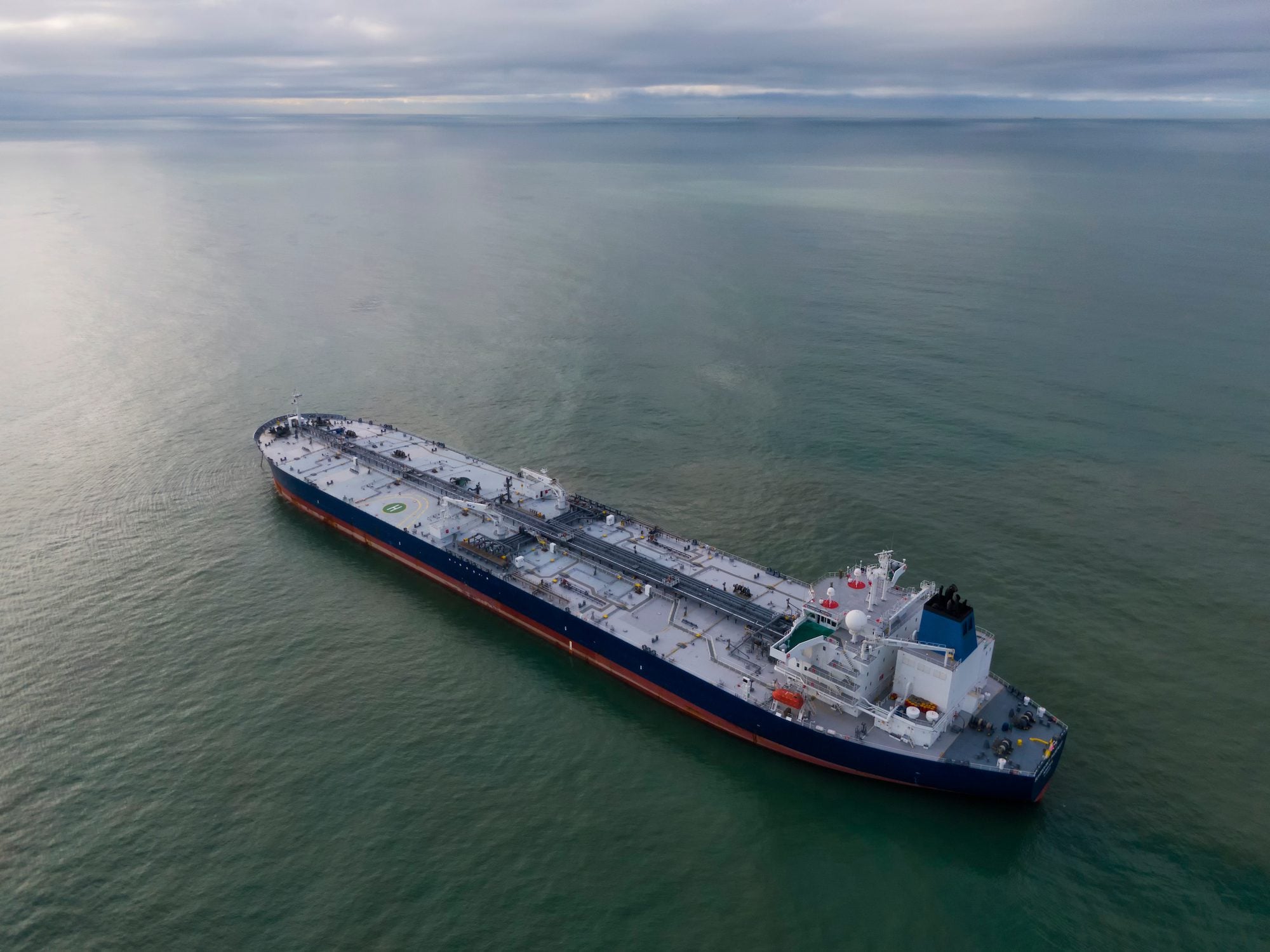
Oil shipping prices are witnessing a significant rise as US crude flows increase, reflecting a major shift in the dynamics of the global oil market. While many vessels remain stuck in the Arabian Gulf, reports indicate that new bookings reflect a growing demand for American oil.
This change comes at a sensitive time, as the world seeks to reduce its reliance on traditional oil from the Middle East, which has long been a primary source of supplies. With tensions in the region continuing, companies appear to be turning towards alternative sources, enhancing the role of the United States as a key player in the global oil market.
Details of the Event
Data indicates that oil shipping prices have risen sharply in recent weeks, with companies recording new bookings for the transport of US crude oil. This increase comes at a time when vessels are experiencing delays in the Arabian Gulf, adding pressure to the market. According to reports, this price increase reflects the growing demand for American oil, which has become an attractive alternative to traditional oil.
On the other hand, vessels remain stuck in the Arabian Gulf, reflecting the logistical challenges faced by shipping companies. This situation could exacerbate the supply crisis in the market, further increasing pressure on global prices.
Background & Context
Historically, the Middle East has been the beating heart of the global oil industry, controlling a significant portion of the world's oil reserves. However, many countries, including the United States, have begun to boost their domestic oil production, leading to significant changes in the market. Since 2010, the United States has seen a notable increase in shale oil production, making it one of the largest oil producers in the world.
In recent years, with escalating geopolitical tensions in the Middle East, many consumers have started seeking alternatives to traditional oil. This dynamic could lead to radical changes in how oil is distributed worldwide, opening the door for the United States to enhance its role as a primary supplier.
Impact & Consequences
The implications of this shift extend beyond just prices. An increase in US oil flows could lead to changes in trade relations between countries. Additionally, rising shipping prices may affect transportation costs, which will be reflected in fuel prices in global markets.
Moreover, these changes could reshape the strategies of oil-consuming countries, as they may seek to strengthen partnerships with the United States instead of relying on traditional sources. This shift could enhance American influence in the global market, altering the traditional balance of power in the oil industry.
Regional Significance
For Arab countries, this shift may carry both challenges and opportunities. On one hand, oil-producing countries in the Middle East may face increasing pressure due to declining demand for their oil. On the other hand, these dynamics could open avenues for Arab countries to enhance their investments in renewable energy and modern technology.
In conclusion, it appears that the global oil market is undergoing a significant transformation, with the importance of American oil increasing amid the challenges facing the Middle East. These dynamics could reshape the economic and political landscape in the region, prompting Arab countries to consider new strategies to address future challenges.