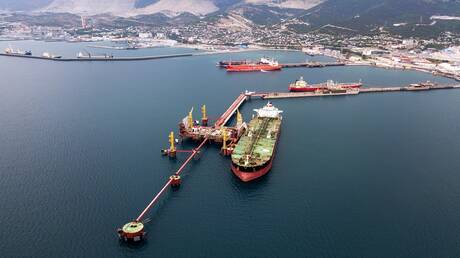
The global energy market is experiencing an unprecedented rise in oil transportation costs, with shipping prices from the United States to Asia hitting record levels. This surge is occurring amidst escalating political and military tensions in Iran, which have disrupted traditional supply chains.
Transportation costs from the U.S. to Asia are key indicators reflecting the state of the global market. Prices have risen significantly in recent months, raising concerns among both consumers and investors. This increase is not merely a transient phenomenon but reflects a shift in market dynamics due to ongoing events in the Middle East.
Details of the Situation
Reports indicate that oil transportation costs from the U.S. to Asia have surpassed record levels, rising by as much as 30% in recent months. This increase is primarily attributed to rising demand for oil in Asia, coupled with political unrest in Iran, one of the world's largest oil producers.
Other factors influencing transportation costs include rising shipping rates and increased insurance costs due to risks associated with regional tensions. Collectively, these factors are placing a financial burden on oil-importing companies, which may reflect on fuel prices in local markets.
Background & Context
Historically, the Middle East has witnessed numerous political crises that have impacted the global oil market. Iran, as a key player in this market, has a significant influence on global prices. In recent years, tensions between Iran and the United States have escalated, leading to economic sanctions on Iran and, consequently, affecting its oil production.
These events are part of a series of crises that the region has experienced, including conflicts in Iraq and Syria, and the Houthi crisis in Yemen. All these factors contribute to creating an unstable environment that affects the global energy market.
Impact & Consequences
The increase in oil transportation costs could lead to widespread economic repercussions. This rise is expected to affect fuel prices in global markets, potentially adversely impacting consumers. Companies that rely on oil as a primary energy source may face challenges in managing their operational costs.
Furthermore, this increase may lead to volatility in financial markets as investors react to changes in oil prices. Such volatility can increase economic uncertainty, affecting investment decisions and economic growth in many countries.
Regional Significance
For Arab countries, the rise in oil transportation costs may have varying impacts. Oil-producing nations like Saudi Arabia and the UAE may benefit from higher prices, while importing countries may face increasing economic challenges.
Additionally, Arab nations that depend on oil as a primary source of revenue may need to reassess their economic strategies to address these challenges. Under these circumstances, it becomes essential to enhance economic diversification and reduce reliance on oil as the sole source of revenue.
In conclusion, the global energy market appears to be facing significant challenges due to political tensions in Iran. It is crucial to monitor developments in this context, as their impact may extend to various aspects of the global economy.