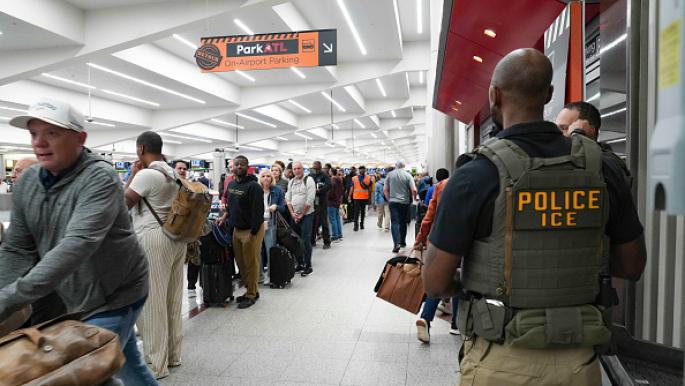
Phone and electronic device inspections are increasing at airports across the United States, with Customs and Border Protection agents deployed in more than a dozen airports. These inspections are causing anxiety among travelers, who are questioning how to safeguard their personal information and devices from intrusion.
Reports indicate that these inspections involve checking the content on smartphones and tablets, putting travelers in a difficult position, especially those carrying sensitive or private information. Under these circumstances, it becomes essential for travelers to have adequate awareness of how to protect their data while traveling.
Details of the Inspections
The inspections conducted by Customs and Border Protection agents involve random checks of electronic devices, which can include anyone entering the country. Statistics have shown a significant increase in the number of devices being inspected, reflecting a stricter policy on border monitoring. These measures are part of the US government's efforts to combat cybercrime and terrorism, but they raise questions about the limits of privacy.
In recent years, the scope of these inspections has expanded to include not only mobile phones but also laptops and wearable devices. Some experts have pointed out that these policies could lead to privacy violations, as sensitive information may be accessed without clear consent.
Background & Context
The roots of these policies trace back to the events following the September 11 attacks, where security measures at airports were significantly enhanced. With the rise of security threats, governments have become more vigilant in monitoring travelers, leading to the emergence of these inspections as part of the daily routine at airports.
The United States is among the most stringent countries in this regard, where strict laws regarding the inspection of electronic devices are enforced. However, this issue is not limited to the United States alone; many other countries are following suit in an effort to bolster their national security.
Impact & Consequences
These policies significantly affect travelers, potentially leading to delays in travel procedures and increased stress levels. Additionally, concerns about privacy may drive some individuals to avoid traveling to the United States or think twice before making travel plans.
Moreover, these measures could impact international relations, as some countries may view these policies as a violation of human rights. This could lead to diplomatic tensions between nations, especially if there are known cases of illegal device inspections.
Regional Significance
As these inspections increase in the United States, Arab travelers must exercise greater caution. Travelers from Arab countries may face additional challenges, as they could be targeted more due to their cultural or political backgrounds.
Therefore, it is crucial for Arab travelers to have sufficient awareness of how to protect their personal information. This protection can include using data encryption applications, avoiding storing sensitive information on mobile devices, and utilizing temporary devices while traveling.
In conclusion, travelers should be aware of current policies and take necessary precautions to protect their data. Understanding how these inspections work can help reduce anxiety and ensure a safer travel experience.