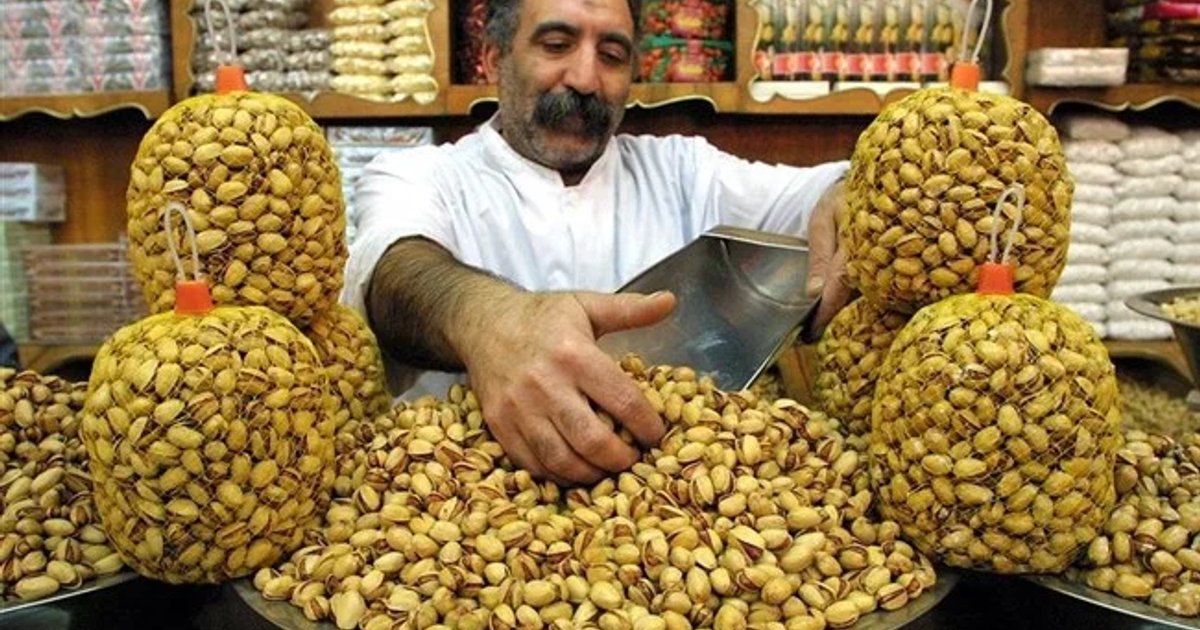
Karoo Pistachios, a South African company, is striving to increase its pistachio production in order to capitalize on the sharp rise in global prices and compete with leading producers amid supply disruptions linked to tensions in Iran, the world's second-largest pistachio producer.
Pistachio prices, used in industries such as ice cream, chocolate, and confectionery, have surged to their highest levels in nearly a decade this month, due to supply shortages stemming from geopolitical developments, while the sector is already grappling with supply constraints.
Event Details
Farmers in the semi-arid Karoo region of South Africa are relying on climatic conditions to transform pistachio cultivation into a promising export industry. This shift reflects how geopolitical crises are reshaping agricultural supply chains, opening doors for new producers.
David Muller, the company's CEO, stated that the Karoo region is currently the only area in Africa that has proven its capability to produce pistachios on a large scale. He noted that trials in other North African countries have yet to reach commercial production stages, giving South Africa an early competitive advantage.
Background & Context
The Northern Cape region and its surroundings are characterized by a mix of dry, sunny climate and low humidity, which are ideal conditions for pistachio growth. South Africa is already the world's largest producer of macadamia nuts and the third-largest producer of pecans.
Muller added, “Pistachios are naturally resilient to harsh conditions, and the climate in the Karoo closely resembles that of the Middle East, positioning us on the brink of significant growth and expansion.”
Impact & Consequences
The demand for pistachios has seen a notable increase in recent years, driven by the popularity of new products such as “Dubai Chocolate” filled with pistachio cream, which has gained widespread acclaim on social media platforms.
The company, based in the town of Prieska, aims to raise its production to around 60,000 tons by the end of the next decade, compared to just 20 tons last year. This could position South Africa as the fourth-largest exporter of pistachios globally, according to data from the U.S. Department of Agriculture.
Regional Significance
The development of pistachio cultivation in South Africa presents an opportunity to bolster the agricultural sector in the region, where pistachio farming could serve as a cornerstone for broader agricultural development in the Northern Cape, which already thrives with crops like citrus and wheat.
The company plans to expand the cultivated area to thousands of hectares, indicating that planting around 1,000 hectares could create at least 800 direct and indirect jobs in agriculture, manufacturing, and logistics, requiring investments of nearly 1 billion rand (approximately 60 million dollars).
While pistachio orchards can remain productive for over 50 years and yield high profit margins upon maturity, returns depend on the stability of production and the quality of exports in the long term, amidst risks of currency fluctuations and climate change.
In this context, economist Casey Sprick from AG Capital warned that the challenge extends beyond current cost reductions to ensuring the sustainability and quality of production in the long run.
To mitigate these risks, the company is working to enhance the attractiveness of projects for investment by distributing funding requirements among several investors, building integrated value chains that include processing and exporting, as well as developing a “partner farmers” model to integrate small farmers into commercial production.
Muller emphasized that the project represents an opportunity to empower new groups to enter this sector, stating, “We have a real chance to provide opportunities for people who have not had the chance to participate in such economic activities before.”