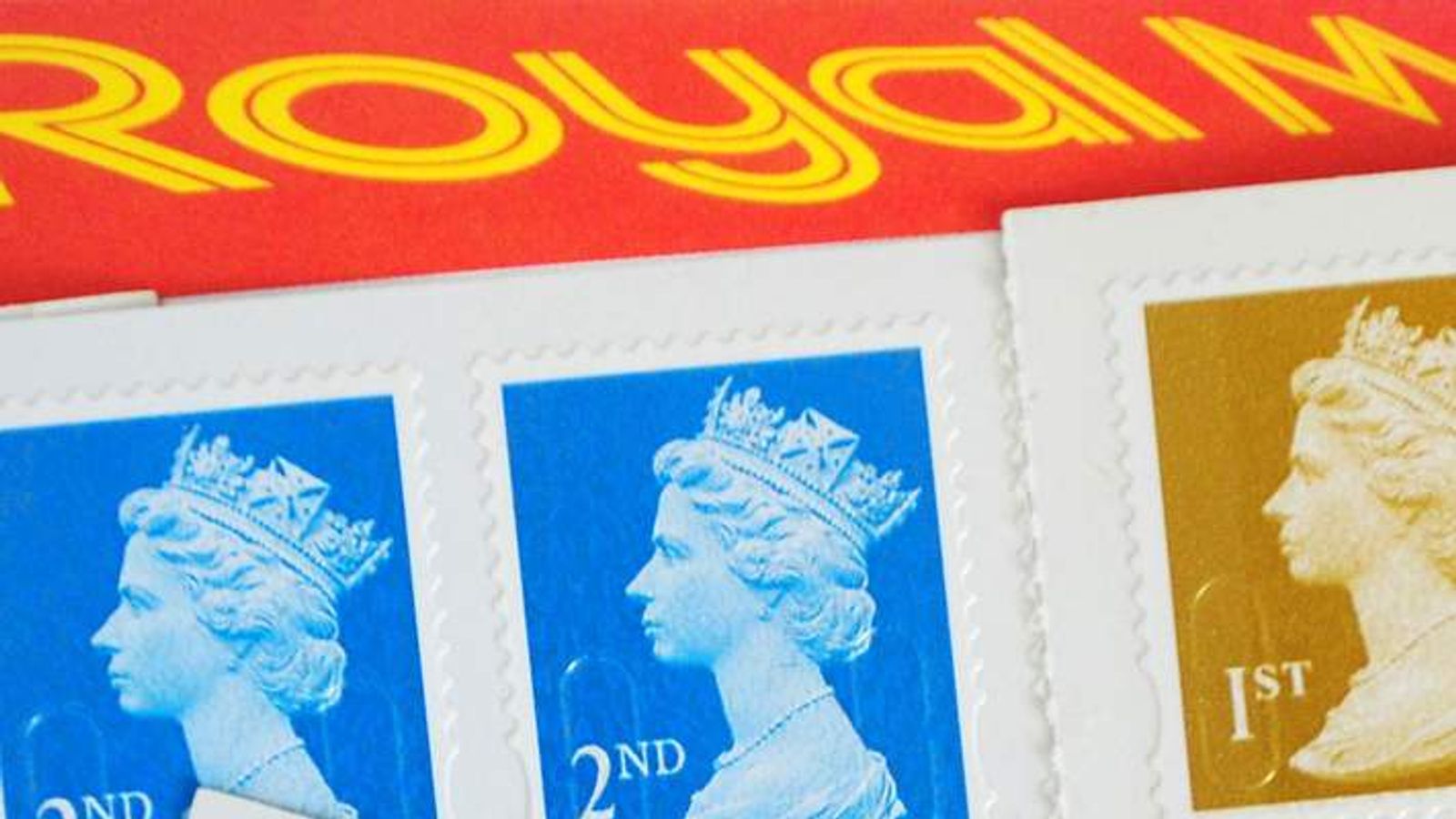
The Royal Mail service in the UK has announced a new increase in stamp prices, with the cost of a first-class stamp rising to £1.80, an increase of 10 pence. The price of a second-class stamp has also risen by 4 pence, reaching 91 pence. This price hike comes at a time when the service faces severe criticism for its inability to meet specified delivery targets.
The Royal Mail states that this increase is necessary due to a decline in the number of letters sent, while the number of addresses continues to rise. However, many businesses and consumers express their dissatisfaction with this increase, especially given the unsatisfactory performance of the service.
Details of the Price Increase
Reports indicate that only 77% of first-class letters are delivered within one working day, while the set target is 93%. This price increase marks the eighth in five years and comes at a time when the Royal Mail is under increasing pressure from multiple fronts.
In recent weeks, the service has received numerous complaints from Members of Parliament and the public regarding the quality of mail service. Some postal workers have indicated that they are pressured to move or hide mail by senior officials, making it appear as though delivery targets have been met.
Background & Context
Ten years ago, the price of a first-class stamp was 64 pence, while a second-class stamp cost 55 pence. The General Director of the Royal Mail, Richard Travers, noted when announcing the price increase last month that the service carefully considers price changes, taking into account affordability amid rising delivery costs.
Criticism has increased from civil society organizations, such as the Citizens Advice association, which has called for price increases to be linked to service performance. Complaints about delivery delays have also risen, heightening public concern regarding service quality.
Impact & Consequences
This increase in stamp prices represents additional pressure on consumers and businesses, especially in light of the difficult economic conditions everyone is facing. Some analysts have pointed out that this increase may lead to a decline in the use of traditional mail services, as people increasingly tend to use digital communication methods.
During a parliamentary inquiry session, the service's owner, Daniel Kretinsky, acknowledged that the service is not perfect, but he assured that there is a plan to improve the situation. These statements come at a time when concerns about the overall performance of the service are rising, with the Chair of the Business and Trade Committee, Liam Byrne, describing the situation as "extremely concerning."
Regional Significance
The implications of this price increase extend beyond immediate consumer dissatisfaction. It reflects broader trends in postal services globally, where many are struggling to adapt to changing communication habits and economic pressures. The Royal Mail's challenges may serve as a case study for other postal services facing similar issues.
In conclusion, the increase in stamp prices not only affects the cost of sending mail but also raises questions about the future of postal services in the digital age. As the Royal Mail navigates these challenges, the response from consumers and businesses will be crucial in determining the service's direction moving forward.