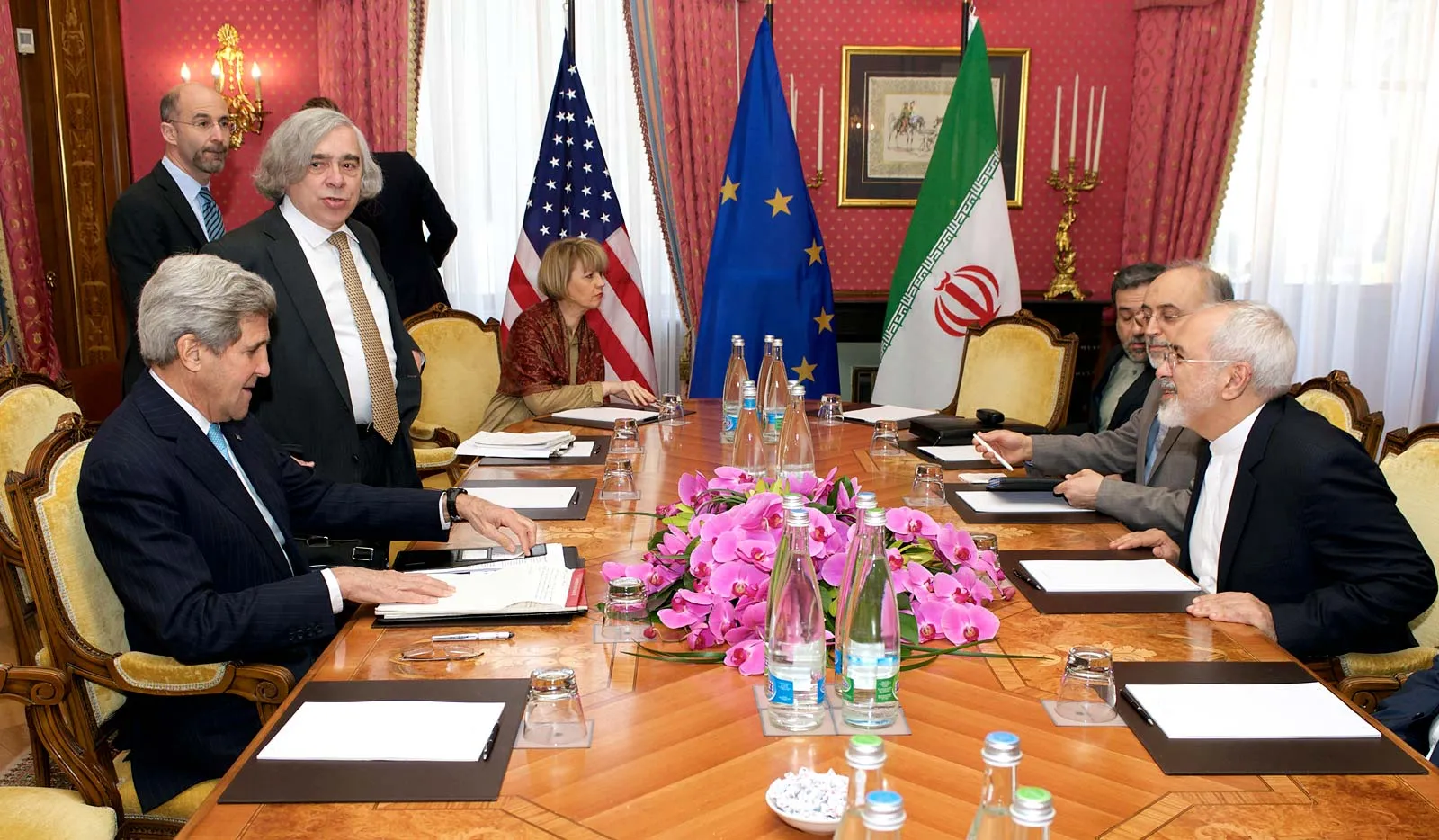
Recent developments in the Iranian conflict indicate a willingness from both sides to reach an agreement, despite the unclear details regarding the terms of such an agreement. These signals come at a sensitive time, as international pressure has increased to end the prolonged conflict, which has significantly impacted regional stability.
Speculation is growing about whether these signals reflect a genuine shift in the Iranian position or if they are merely a political maneuver. While Iran continues to bolster its military capabilities, there appears to be an increasing desire for dialogue from the involved parties, opening the door to the possibility of reaching an agreement.
Details of the Event
In recent weeks, international reports have noted an increase in communications between Iranian officials and Western countries, reflecting a desire to reach a settlement. These communications come at a time when the world is witnessing rising tensions in other regions, which increases the importance of stability in Iran.
Despite these positive signals, the details regarding the agreement remain unclear. Many are questioning the nature of the conditions that may be reached and whether they will meet the aspirations of all involved parties. The ambiguity of the current situation complicates the political landscape in the region.
Background & Context
Historically, Iran has experienced both internal and external conflicts that have affected its stability. Since the Islamic Revolution in 1979, Iran has faced multiple challenges, including economic sanctions and international isolation. These factors have contributed to strengthening its military position, making it a key player in regional conflicts.
In recent years, tensions between Iran and the United States have escalated, especially following the latter's withdrawal from the nuclear agreement in 2018. This withdrawal exacerbated the situation, prompting Iran to take escalatory steps in its nuclear program. However, the willingness of some countries to engage in dialogue may open new avenues for negotiation.
Impact & Consequences
If an agreement is reached, it could lead to a radical change in regional dynamics. The agreement could help ease tensions between Iran and Western countries, potentially paving the way for improved economic and political relations. Additionally, ending the conflict could contribute to regional stability and reduce the risks associated with armed conflicts.
However, caution is warranted as any agreement may face opposition from certain parties, both within Iran and from other countries in the region. Political and social challenges could hinder the implementation of any agreement, requiring significant efforts from all involved parties.
Regional Significance
The Arab countries neighboring Iran are among the most affected by the current developments. Any agreement could lead to greater stability in the region, positively reflecting on the national security of Arab states. Moreover, improved relations between Iran and Western countries could open the door for greater cooperation in various fields, including economics and security.
Ultimately, the question remains open regarding the seriousness of both sides in reaching an agreement. Challenges still exist, but current signals may indicate a new beginning in regional relations.