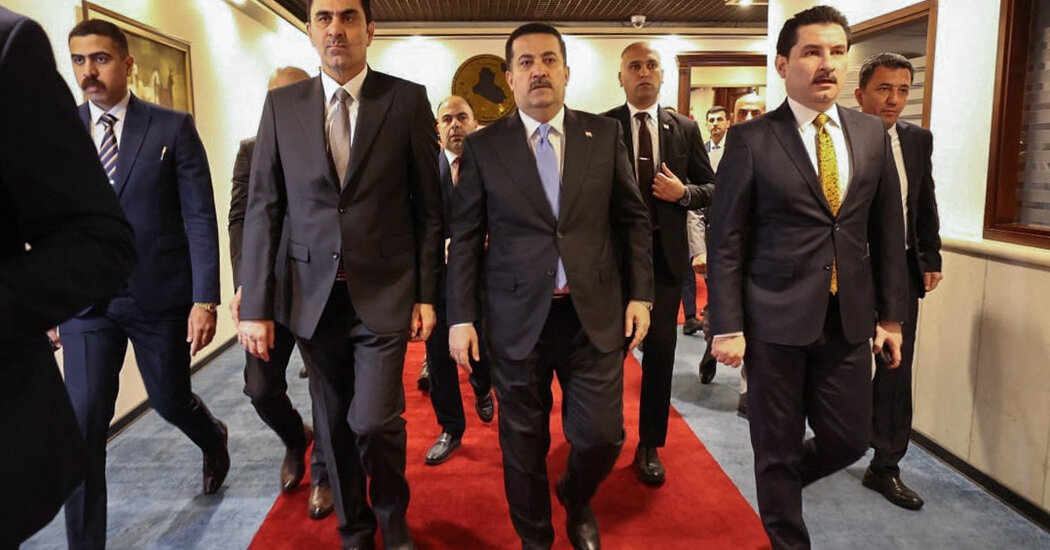
In Iraq, pressures are mounting to form a new government as the Shiite 'Coordination Framework' considers alternative candidates for its top nominees for the position of Prime Minister. This move comes at a sensitive time, with increasing parliamentary and popular demands for the selection of a new President and the assignment of a candidate from the largest parliamentary bloc to form the government.
These developments coincide with the intensifying regional conflict, raising concerns about Iraq slipping into the ongoing war between Iran on one side and Western countries on the other. These conditions place Iraq in a precarious position, necessitating swift and decisive decisions to maintain its internal stability.
Details of the Event
In recent days, reports have indicated that the 'Coordination Framework', which includes a group of Shiite parties, is exploring the possibility of replacing some of its main candidates in an effort to meet popular and parliamentary demands. This step comes amid growing criticism regarding the performance of the current government, which faces significant economic and security challenges.
Moreover, there are increasing calls from some political blocs to assign a candidate from the largest parliamentary bloc, which could lead to a radical change in the Iraqi political landscape. These dynamics suggest that Iraq may be on the brink of a new phase of political challenges, requiring new compromises among various political forces.
Background & Context
Since 2003, Iraq has witnessed a series of political and security crises, significantly affecting its stability. Following the American withdrawal, the country entered a phase of political chaos, with escalating conflicts among various political components. This has resulted in the formation of weak governments that are unable to meet the needs of citizens.
In recent years, regional tensions have escalated, particularly with the increase of Iranian military activities in the region. Iraq, located at the heart of these conflicts, has become a battleground for settling scores among regional and international powers, complicating the internal situation further.
Impact & Consequences
The formation of a new government in Iraq could have far-reaching implications for regional stability. If the new government can achieve political compromises, it may help reduce internal and external tensions. However, if it fails to do so, Iraq could face further division and conflicts.
Additionally, these developments may affect Iraq's relations with its neighbors, especially Iran and Western countries. Iraq needs international support to confront economic and security challenges, which requires internal political stability.
Regional Significance
The situation in Iraq serves as an indicator of how internal conflicts can impact regional stability. As a pivotal state in the region, Iraq plays a crucial role in political balances. Any escalation in internal conditions could lead to negative repercussions for neighboring countries, necessitating greater international attention.
In conclusion, Iraq faces significant challenges that require a swift and effective response from all concerned parties. The formation of a new government could be a step toward achieving stability, but it necessitates concerted efforts and genuine political compromises.