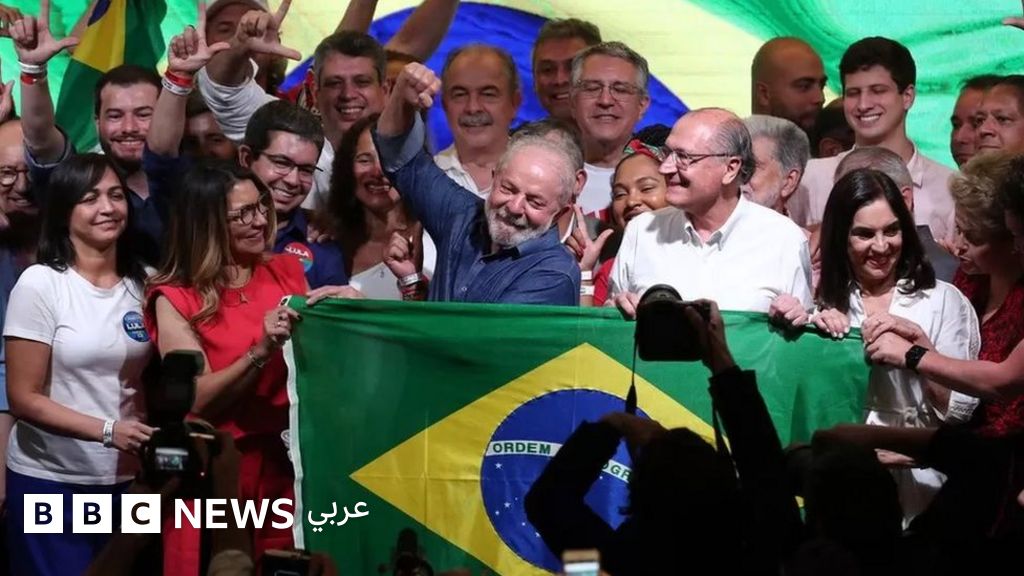
Brazilian President Luiz Inácio Lula da Silva is experiencing mounting difficulties in addressing the rise of Vladimir Bolsonaro, as recent polls indicate growing voter support for Bolsonaro, placing Lula in a precarious position with elections approaching. Pressure is intensifying on Lula from within his team, as discussions about appropriate strategies to confront this challenge escalate.
These developments come at a sensitive time for Lula, who is striving to maintain his popularity amidst a series of crises that have impacted his approval ratings. As the elections draw near, Lula faces multiple challenges, including economic and social crises plaguing the nation.
Details of the Situation
Recent polls have shown that Vladimir Bolsonaro, the son of former President Jair Bolsonaro, has made significant gains in voter popularity, increasing the pressure on Lula. Reports suggest that Bolsonaro could achieve strong results in the upcoming elections, threatening Lula's political future. In this context, concerns are rising that Lula may lose the support he needs to remain in power.
Tensions are rising within Lula's inner circle, where the inability to counter Bolsonaro's rise is seen as a strategic failure. Many are questioning the options available to Lula to confront this challenge, especially in light of the multiple crises the country is facing.
Background & Context
Historically, Brazil has witnessed significant political fluctuations, with elections always serving as a battleground for political conflicts. Lula, who has served as president multiple times, is considered a pivotal figure in Brazilian politics and has faced numerous challenges throughout his tenure. In recent years, the country has experienced deep political divisions, affecting government stability.
In recent years, economic and social crises have escalated, leading to a decline in Lula's popularity. Bolsonaro, representing the far-right movement, is one of the most prominent competitors in the political arena and has managed to attract a substantial portion of voters who feel frustrated with the current situation.
Impact & Consequences
These developments significantly impact the future of Brazilian politics, as the outcomes of the upcoming elections could lead to radical changes in government policies. If Bolsonaro manages to achieve victories in the elections, it could steer the country towards the right, potentially affecting social and economic policies.
Moreover, Bolsonaro's rise could encourage the escalation of right-wing movements in other Latin American countries, leading to changes in political dynamics in the region. This is a concerning matter for many nations striving to maintain their political and social stability.
Regional Significance
Arab countries are closely monitoring developments in Brazilian politics, as Brazil is one of the largest economies in the world. Any changes in Brazilian policies could affect trade and economic relations between Brazil and Arab nations. Furthermore, the rise of the far-right in Brazil may have implications for foreign policies, potentially impacting issues in the Middle East.
In conclusion, the political situation in Brazil remains of significant interest, with eyes turning towards the upcoming elections and the changes they may bring. Lula must take strategic steps to confront the increasing challenges, while voters await the results of this critical political battle.