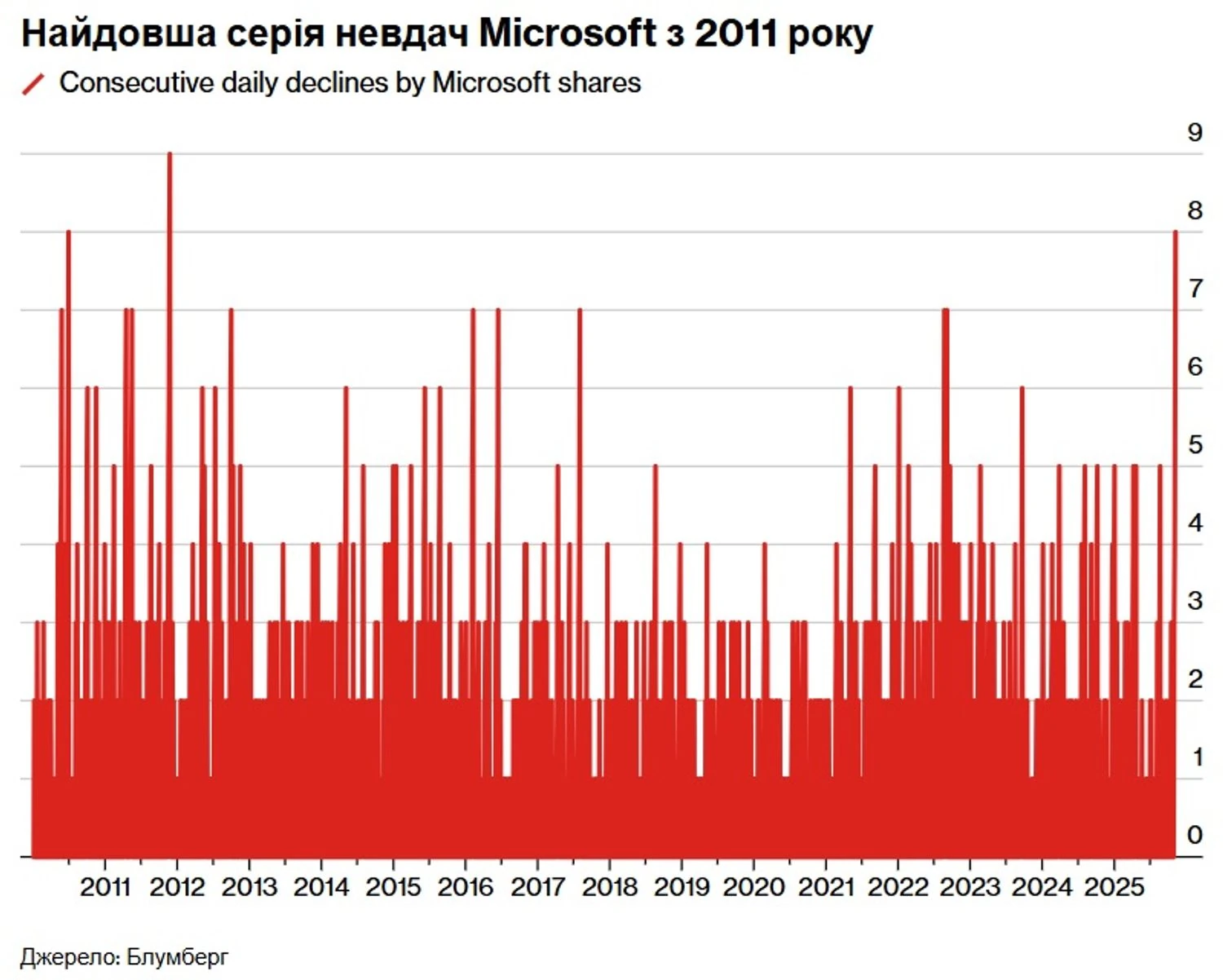
Microsoft is facing significant challenges in the stock market, with reports indicating that its shares have not been this oversold in a decade. These pressures arise at a time when discussions about its artificial intelligence strategy are intensifying, a sector that has been considered one of its key strengths in recent years.
As pressures mount, a crucial question arises about whether Microsoft has lost control over the narrative surrounding artificial intelligence, which could negatively impact its market reputation. Concerns are growing among investors regarding the company's ability to compete in this vital field, especially with new and competing companies entering the market.
Details of the Event
Data shows a noticeable increase in the selling of Microsoft shares, indicating that investors have become more cautious about the company's future. While Microsoft has been a leader in artificial intelligence, there seems to be a growing sense of uncertainty regarding its current strategy.
Questions are increasing about how Microsoft will respond to new challenges in the market, especially with the emergence of new technologies and competitors like Google and Amazon, who are also seeking to expand their reach in artificial intelligence. Under these circumstances, Microsoft may need to reassess its strategy to ensure its continued growth.
Background & Context
Founded in 1975, Microsoft has since become one of the largest technology companies in the world. Over the years, the company has been a pioneer in developing software and modern technologies, including operating systems and office applications. However, its entry into the field of artificial intelligence marked a turning point, as it invested heavily in developing AI and machine learning technologies.
In recent years, Microsoft has experienced significant growth in this sector, launching numerous AI-driven products and services. However, current challenges indicate that the company may struggle to maintain its leading position, especially with increasing competition.
Impact & Consequences
The current pressures on Microsoft could have significant repercussions on the technology market as a whole. If stock prices continue to decline, it may affect investor confidence in other tech companies, potentially leading to an overall market downturn. Additionally, Microsoft's loss of its leading position could open the door for other companies to capture its market share.
Moreover, these pressures could impact innovation in the field of artificial intelligence, as Microsoft may be forced to reduce its investments in research and development. This could lead to a slowdown in the advancement of new technologies, affecting all companies that rely on artificial intelligence in their operations.
Regional Significance
In the Arab region, Microsoft's decline could have notable effects, especially as reliance on modern technology and artificial intelligence increases across various sectors. Many Arab companies depend on Microsoft technologies for their operations, and any decline in the company's performance could impact its investments in the region.
Furthermore, Microsoft's downturn may open the door for other tech companies, including startups in the field of artificial intelligence, to capitalize on available opportunities in the Arab market. Ultimately, Arab companies must be prepared to adapt to changes in the global market to ensure their continued growth.