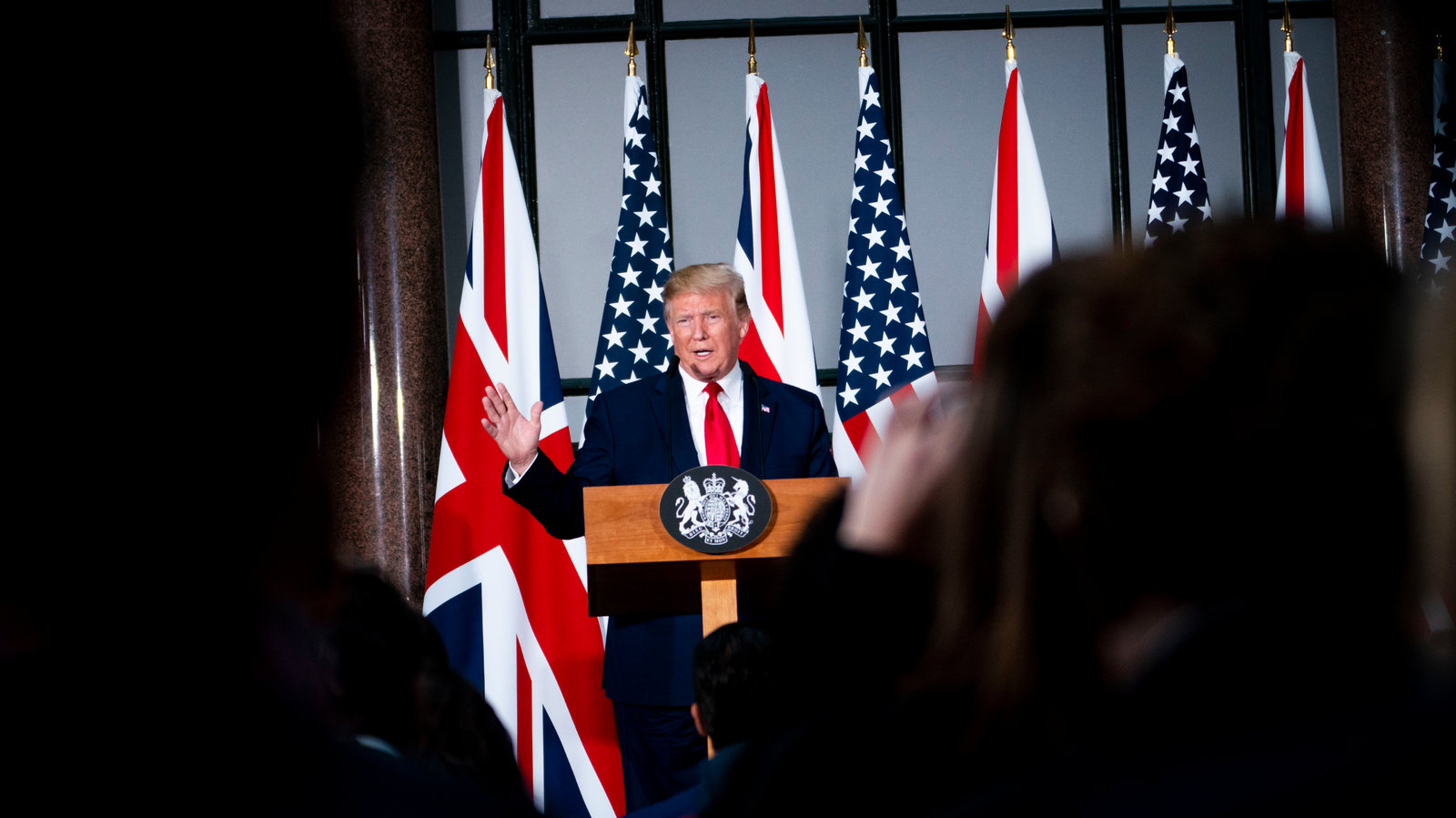
Pressure is mounting on President Donald Trump to initiate a ground attack against Iran, as previous airstrikes and military operations have not succeeded in weakening the Iranian regime. This pressure arises during a sensitive time, as Iran poses a strategic challenge to the United States in the Middle East, prompting American decision-makers to consider more aggressive options.
Historically, the United States has contemplated launching ground operations against Iran for a long time, with these options being evaluated prior to the airstrikes conducted on February 28 of this year. Proposals have included forming alliances with Iranian minorities, such as the Kurds, similar to what occurred in Afghanistan in 2001 and Iraq in 2003.
Details of the Current Situation
The Kurds, who represent a minority in Turkey, Iraq, Iran, and Syria, have been a vital part of military operations against ISIS in Iraq and Syria. However, they have shown reluctance to engage in a new alliance with the United States, fearing that they might end up as victims of American policies, as happened previously when they were ignored after assisting in the elimination of Bashar al-Assad in Syria.
Turkey is sensitive to any American moves towards Iranian Kurds, as such actions could bolster separatist tendencies among Kurds in southeastern Turkey. There are also other options, such as forming alliances with the Baloch minorities in the Iranian province of Sistan and Baluchestan, but Pakistan, which borders this province, opposes this option.
Background & Context
Historically, the United States has employed a strategy of allying with minorities to facilitate its military operations in countries like Afghanistan and Iraq. However, this strategy has not been effectively applied in Iran, where the religious and ethnic composition differs significantly from other countries. The Kurds and Baloch are Sunni minorities, while the vast majority of Iranians are Shia Persians.
These dynamics are complex, as any alliance with minorities could escalate sectarian tensions in the region, further complicating the security situation in the Middle East. At the same time, Iran seeks to enhance its regional influence, making any American military intervention more complicated.
Impact & Consequences
If the United States decides to carry out a ground attack, it could lead to a significant escalation of conflict in the region, potentially dragging other countries into the dispute. Additionally, any military actions could provoke strong reactions from Iran, which may respond with military operations against American forces or their allies in the region.
These military and political dynamics are particularly significant amid rising tensions between the United States and Iran, which could impact regional stability overall. Furthermore, any escalation in conflict may affect oil prices and global markets, increasing anxiety among oil-importing nations.
Regional Significance
Arab countries neighboring Iran, such as Iraq, Syria, and Lebanon, are on high alert regarding any potential military escalation. These nations could be directly affected by any American military operations, potentially exacerbating humanitarian and political crises within them.
Ultimately, the question remains whether the United States will take a bold step toward executing a ground attack against Iran or will be content with air and economic pressures. Developments in the coming days will be crucial in determining the course of events in the region.