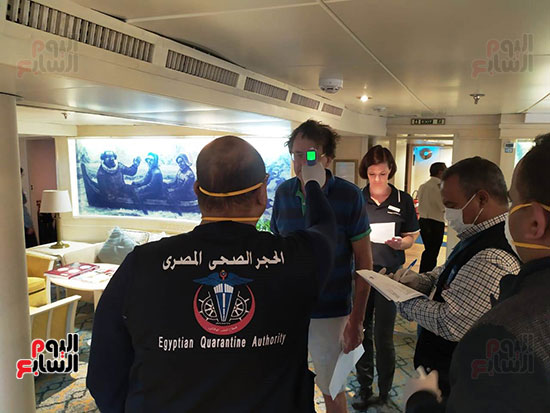
Egyptian authorities have announced the elevation of readiness levels at Red Sea ports to confront the expected severe weather conditions. This action is part of the government's efforts to protect maritime navigation and ensure the safety of ships and passengers.
The Egyptian Meteorological Authority anticipates that the region will experience weather fluctuations, including heavy rainfall and strong winds, which may impact maritime navigation. Precautionary measures have been implemented to ensure that maritime activities are not affected by these harsh weather conditions.
Details of the Event
As part of the preparations, monitoring and inspection operations at the ports have been intensified, and necessary equipment has been prepared to handle any emergencies that may arise due to the weather. Ships have been instructed to adhere to the guidelines issued by the ports authority and to avoid sailing during periods of severe winds and rain.
Coordination with relevant authorities has also been established to ensure that all logistical services necessary for ships docked at the ports are provided, including medical and logistical assistance for passengers.
Background & Context
The Red Sea ports are among the most important maritime passages in the world, connecting numerous countries and playing a vital role in international trade. With the increasing severity of climate change, countries bordering the Red Sea face greater challenges in managing maritime navigation.
Historically, the region has witnessed several instances of severe weather that disrupted navigation, prompting authorities to take proactive measures to avoid future crises. Previous experiences have demonstrated the importance of early preparedness to face such conditions.
Impact & Consequences
Severe weather conditions are expected to affect trade movement in the region, potentially delaying cargo shipments and disrupting maritime voyages. Negative impacts may also include increased costs for companies that rely on maritime transport.
Additionally, these conditions may heighten risks to the safety of passengers and ship crews, necessitating further precautionary measures to protect lives and property.
Regional Significance
Forecasts indicate that the adverse weather may not be limited to Egypt alone but could extend its impact to neighboring countries bordering the Red Sea, such as Saudi Arabia and Sudan. Therefore, it is crucial for countries to cooperate in sharing information and coordinating efforts to tackle these climatic challenges.
In conclusion, early preparations and cooperation among the concerned countries remain essential factors in ensuring the safety of maritime navigation in the Red Sea, especially in light of the increasing climate changes affecting the region.