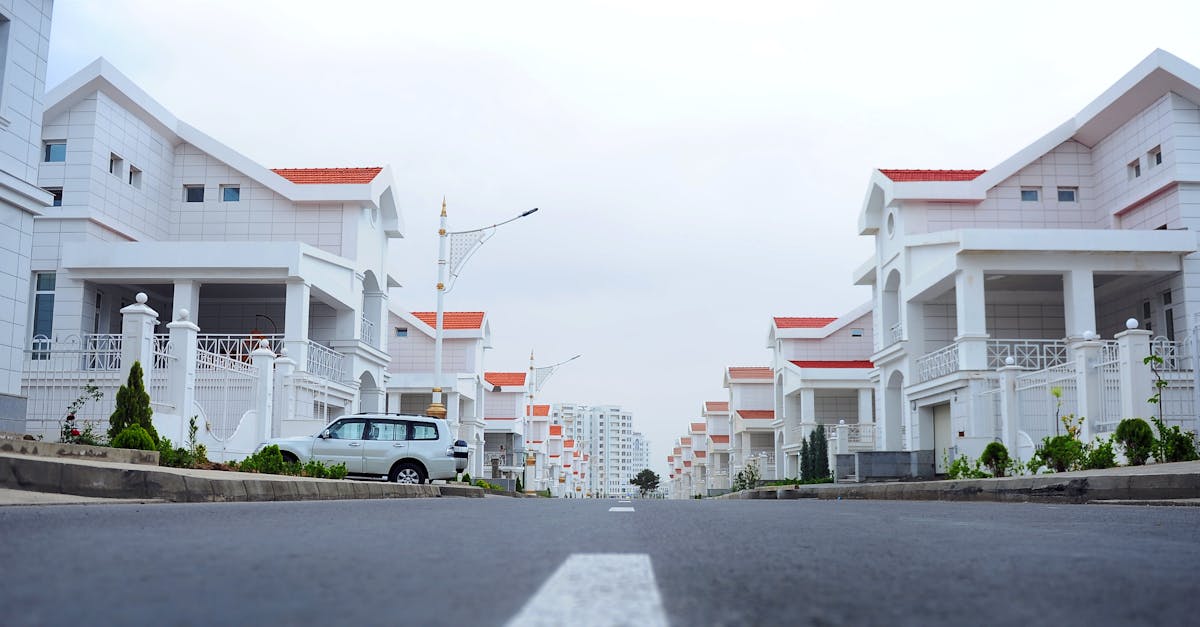
The Gulf region has recently experienced a remarkable boom in real estate investments, as countries in the area strive to enhance their appeal as a global investment hub. This surge in investments occurs at a time when the global economy is undergoing significant transformations, creating new opportunities for investors.
These investments encompass massive projects in residential, commercial, and tourism sectors, with Gulf countries focusing on developing integrated infrastructure to attract both local and international investors. Additionally, Gulf governments are offering various incentives such as legal and financial facilitation to draw in capital.
Event Details
Reports indicate that the United Arab Emirates, for instance, saw a 30% increase in property sales over the past year. Meanwhile, Saudi Arabia continues to implement its Vision 2030, aimed at diversifying the economy and reducing reliance on oil, which boosts demand for real estate projects.
In Qatar, new luxury housing projects have been announced, reflecting a trend towards improving quality of life and attracting affluent individuals. These projects are not only local but also include partnerships with global companies to develop outstanding real estate ventures.
Background & Context
Historically, the Gulf region has heavily relied on oil revenues, but with declining oil prices in recent years, countries have begun seeking alternative sources of income. This shift has prompted governments to invest in non-oil sectors, including real estate.
Global events such as the COVID-19 pandemic have also impacted investment patterns, increasing the need for flexible residential and commercial spaces. This change in consumer behavior has led countries to rethink their real estate strategies.
Impact & Consequences
The increase in real estate investments is a positive sign of economic recovery in the region, contributing to the creation of new job opportunities and enhancing economic growth. However, challenges such as rising raw material prices and a shortage of skilled labor face this sector.
Moreover, success in this field requires effective marketing strategies to attract foreign investors, alongside the need to improve the legal environment to facilitate procedures.
Regional Significance
Real estate investments in the Gulf serve as a model for other Arab countries, potentially inspiring them to develop similar projects. Additionally, these investments enhance economic cooperation among Arab nations, contributing to sustainable development.
In conclusion, real estate investments in the Gulf represent a significant opportunity for economic growth, but they require well-thought-out strategies to address challenges and achieve desired goals.