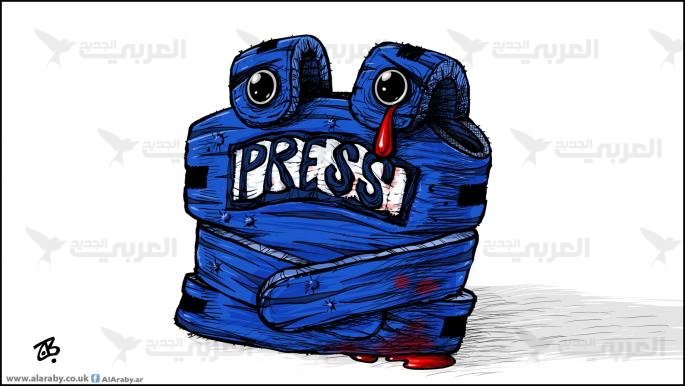
Risks faced by journalists in Lebanon are increasing amid ongoing crises, particularly following the recent events in Gaza. Although international humanitarian law classifies journalists as civilians and is supposed to protect them, the reality indicates weak accountability and a lack of effective protection.
In recent years, Lebanon has witnessed a rise in political and social tensions, which has heightened the risks journalists encounter while covering events. Reports have shown that many journalists have faced assaults and threats, raising concerns about press freedom in the country.
Details of the Incident
Reports indicate that journalists in Lebanon, who are supposed to enjoy legal protection, are facing increasing challenges under current conditions. The recent events in Gaza have demonstrated how regional conflicts can impact press freedom, with recorded instances of assaults on journalists while covering these events.
The absence of accountability for assaults on journalists complicates the situation further, as these incidents are not adequately investigated, leaving journalists in a state of anxiety and fear while performing their duties.
Background & Context
Lebanon is considered one of the countries with a long history of conflicts and crises, which has affected press freedom. Media outlets have suffered from political and economic pressures, leading to a deterioration of the overall situation for journalists. In recent years, the intensity of political tensions has made journalists more vulnerable to danger.
Historically, journalism in Lebanon was regarded as one of the freest in the Arab world, yet current circumstances indicate a regression of this freedom. Studies have shown that journalists in Lebanon face increasing pressures from authorities, impacting their ability to cover events freely.
Impact & Consequences
The increasing risks for journalists in Lebanon directly affect freedom of expression and information. With the rise in assaults, journalists may hesitate to cover significant events, leading to a lack of accurate and reliable information.
Moreover, the absence of effective protection for journalists may lead to a decline in public trust in the media, affecting society's ability to obtain necessary information to understand ongoing events. This, in turn, may contribute to the spread of rumors and misinformation.
Regional Significance
The situation of journalists in Lebanon reflects the overall state of press freedom in the Arab region. As crises and wars escalate, journalists in many Arab countries face similar challenges, raising concerns about the future of freedom of expression.
The ongoing assaults on journalists in Lebanon could set a dangerous precedent for other Arab countries, potentially leading to a decline in press freedom across the region. Therefore, protecting journalists must be a priority under current circumstances.
In conclusion, the current situation in Lebanon and the Arab region as a whole requires urgent action to protect journalists and ensure freedom of expression. Without effective protection, journalists may face increased risks, negatively impacting society as a whole.