Iranian-backed militant groups are intensifying their terrorist activities in the region, complicating the ongoing conflict. Reports indicate these groups play a crucial role in implementing Tehran's regional strategies.
In recent years, the region has witnessed a significant escalation in military activities carried out by armed groups acting as Iran's proxies, raising concerns among many countries. These groups, known as proxies, are utilized by Tehran to enhance its influence in multiple areas, including Iraq, Syria, Lebanon, and Yemen.
Details of the Activities
The terrorist activities carried out by these proxies include bombings, assassinations, and military operations against local and international forces. For instance, in Iraq, attacks have been reported by Iran-backed militias targeting U.S. forces, escalating tensions between Washington and Tehran. Additionally, the Houthis in Yemen, who receive support from Iran, continue to target Saudi territory with missiles and drones.
Reports indicate that Iran is heavily investing in training and equipping these groups, enabling them to conduct complex operations that transcend national borders. This situation raises concerns for the international community, which fears that this could lead to an escalation of conflicts in the region.
Background & Context
Historically, Iran has used proxies as a strategy to enhance its regional influence without the need for direct intervention. Since the Islamic Revolution in 1979, Tehran has relied on these groups as a means to achieve its political and military goals. This tactic has helped Iran expand its sphere of influence in the Middle East, making it a key player in regional conflicts.
In recent years, the intensity of conflicts in the region has increased, providing these groups with opportunities to expand their activities. For example, in Syria, Iran-backed militias have played a crucial role in supporting the regime of Bashar al-Assad, contributing to the continuation of the conflict there.
Impact & Consequences
The terrorist activities carried out by these proxies exacerbate security conditions in the region, increasing instability. This negatively impacts peace efforts and complicates any attempts to resolve ongoing conflicts. Moreover, the escalation of violence threatens regional security, leading to an influx of refugees and heightened tensions between countries.
Furthermore, the use of proxies as a means of fighting raises questions about the international community's ability to address these threats. Direct intervention may lead to an escalation of the conflict, while diplomatic options remain limited amid the complexities of the situation.
Regional Significance
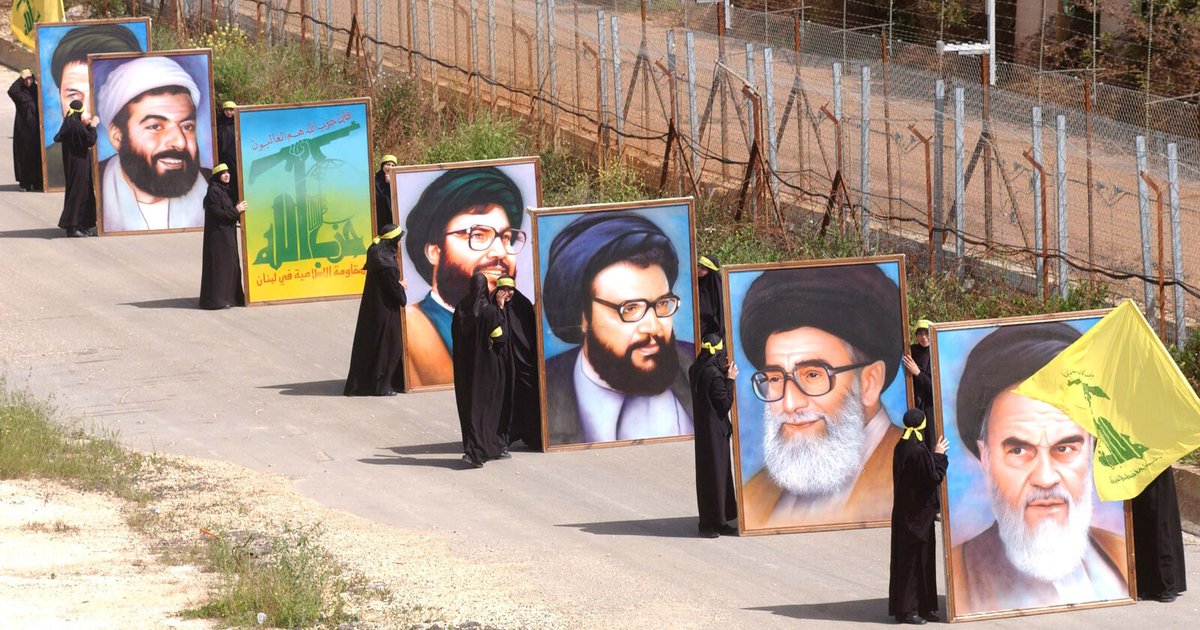
The terrorist activities carried out by Iranian-backed groups directly affect Arab countries, contributing to destabilization in many nations. In Lebanon, for instance, the Hezbollah group continues to carry out operations aligned with the Iranian agenda, increasing internal tensions.
Additionally, the situation in Yemen represents another example of how proxies impact Arab security. The Houthis, who receive military and financial support from Iran, continue to threaten regional security through their attacks on Saudi Arabia, further complicating the humanitarian crisis in the country.
In conclusion, the increasing role of terrorist proxies in the Iranian conflict poses a significant challenge to both regional and international security. The current situation requires a coordinated response from the international community to address these threats and ensure stability in the region.