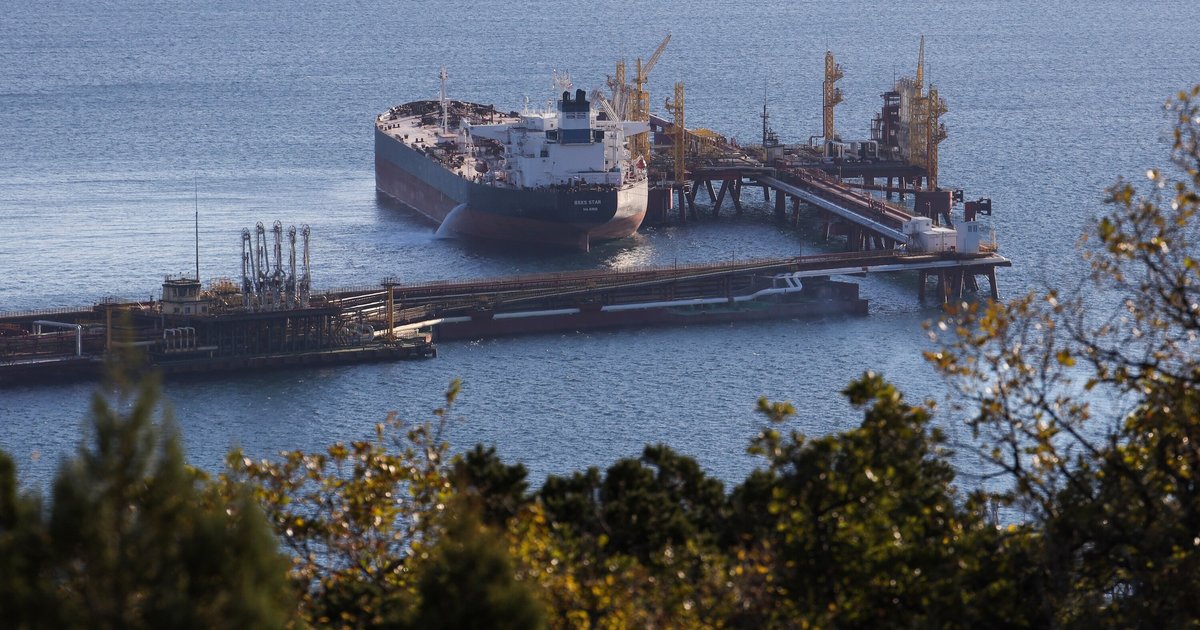
New calculations show that the Iranian war has significantly contributed to the increase in Russian oil revenues, reaching $9 billion in April. This surge comes at a time when Russia is facing economic challenges due to Western sanctions imposed as a result of the conflict in Ukraine.
Reports indicate that these revenues represent double what they were in previous months, reflecting the impact of the Iranian conflict on global markets. The rising demand for Russian oil from certain countries, especially amid global crises, is believed to have contributed to this notable increase.
Details of the Event
Russia is considered one of the largest oil exporters in the world and has been significantly affected by the sanctions imposed on it. However, the Iranian war has opened new opportunities for it to increase its revenues. Data shows that Russia has managed to boost its oil exports to countries that relied on Iranian oil, helping to compensate for some of the losses incurred due to sanctions.
Additionally, the Iranian war has led to a rise in global oil prices, further enhancing Russian revenues. This situation demonstrates how geopolitical conflicts can impact global energy markets and reshape trade relations between countries.
Background & Context
Historically, Russia has relied on oil revenues as one of the main sources of funding for its budget. As geopolitical tensions escalate, these revenues have become more important than ever. The Iranian war is not new, but it has added a new dimension to the conflicts in the region, affecting global market dynamics.
In recent years, Russia has undergone significant changes in its economic strategies, seeking to diversify its markets and turn towards new countries. This shift has contributed to strengthening its position in the global market, especially in light of the multiple crises it faces.
Impact & Consequences
This increase in Russian oil revenues serves as a sign of Russia's ability to adapt to changing market conditions. It also indicates that geopolitical conflicts can create new economic opportunities even amid significant challenges.
On the other hand, this increase may exacerbate tensions between Russia and Western countries, as sanctions will continue to impact the Russian economy while Russia benefits from the rising demand for its oil.
Regional Significance
For Arab countries, the increase in Russian oil revenues may affect oil prices in the global market, which could reflect on the economies of these countries. Given their heavy reliance on oil as a primary source of revenue, any changes in prices could impact national budgets.
Moreover, some Arab countries may seek to strengthen their trade relations with Russia under these circumstances, potentially leading to changes in economic and political alliances in the region.
In conclusion, the increase in Russian oil revenues as a result of the Iranian war highlights the challenges and opportunities faced by countries amid geopolitical conflicts. It is important to monitor the developments of this situation and its impact on global markets and local economies.