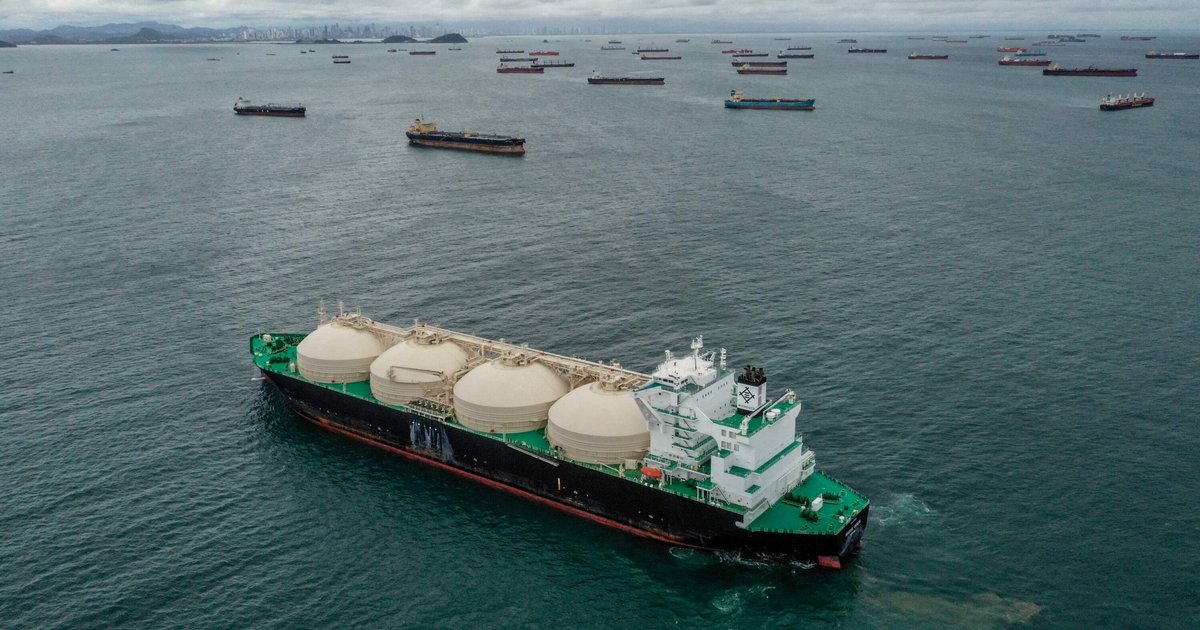
The Panama Canal, one of the most important waterways in the world, has seen a notable increase in shipping traffic recently. This rise is a direct result of escalating events in the Middle East, where ongoing conflicts have led many commercial vessels to alter their routes.
The Panama Canal serves as a vital transit point connecting the Atlantic and Pacific Oceans, making it a strategic hub for global trade. As tensions in the region have escalated, many ship owners have begun seeking alternative routes to avoid potential risks, resulting in increased traffic through this canal.
Details of the Event
According to reports, the number of vessels transiting the Panama Canal has increased by as much as 15% compared to the same period last year. Officials at the canal authority have indicated that this increase reflects the dynamic changes in global trade patterns and the impact of regional crises on the world economy.
The primary reasons for this increase include the tense situations in areas such as the Middle East, where armed conflicts affect traditional shipping routes. Additionally, the rising security threats in these regions have prompted companies to seek safer ways to transport their goods.
Background & Context
Historically, the Panama Canal has played a pivotal role in facilitating global trade. Since its opening in 1914, the canal has become a major transit point for goods and commodities between continents. However, political and military events in the Middle East have significantly impacted shipping traffic in recent years.
For instance, the region has witnessed increasing tensions due to conflicts in Syria and Yemen, alongside struggles between regional powers. These crises have led to a decline in confidence in traditional shipping routes, prompting companies to look for safer alternatives.
Impact & Consequences
The implications of the increased shipping traffic through the Panama Canal extend beyond mere numbers. This rise may lead to changes in shipping rates and global trade, as transportation costs could increase due to the growing demand for canal services. Furthermore, this situation may affect the local economies of countries that rely on maritime trade.
Moreover, the surge in shipping traffic could place additional pressure on the infrastructure of the Panama Canal, necessitating further investments to enhance services and expand the canal's capacity.
Regional Significance
Considering the potential impact on the Arab region, the increase in shipping traffic through the Panama Canal may reflect the challenges faced by Arab countries amid ongoing crises. With rising tensions in the Middle East, Arab nations may find themselves in a position that requires reevaluating their trade strategies.
These developments could also affect economic relations between Arab countries and others, as some nations may seek to strengthen partnerships with alternative countries to mitigate risks associated with regional conflicts.
In conclusion, the Panama Canal remains a symbol of global trade, and its current situation reflects the profound effects of regional crises on shipping and commerce. As tensions in the Middle East continue, the question remains open regarding how these crises will influence the future of global trade.