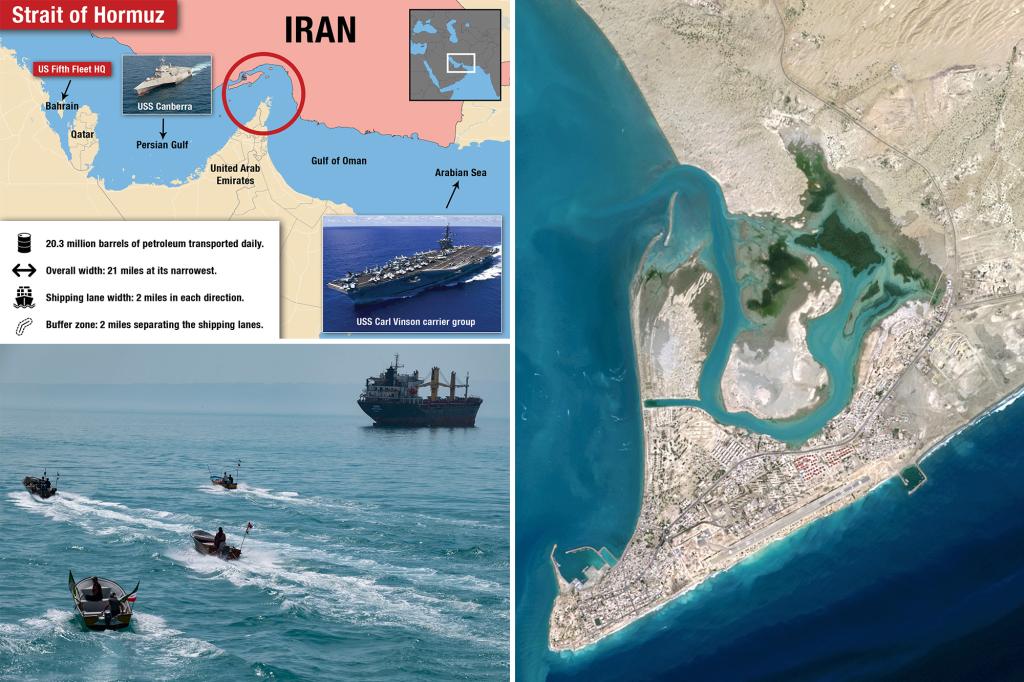
The Strait of Hormuz, considered one of the most important waterways in the world, has experienced a notable increase in shipping traffic over the past week. On Friday, the average weekly transit reached its highest level since the onset of the war, reflecting a rebound in commercial activity in the region.
Shipping traffic in the Strait of Hormuz is a crucial indicator of the health of the global economy, as approximately 20% of the world's oil passes through it. This increase in traffic may be attributed to improved security conditions or a rise in demand for oil in global markets.
Details of the Event
According to reports, the average weekly transit has recorded a significant increase, indicating an improvement in commercial activity in the area. This development is seen as positive given the tense conditions that have previously negatively impacted shipping traffic.
This increase comes at a time when major countries continue to seek stability in energy markets, which could lead to heightened demand for oil and natural gas. Furthermore, the stability of shipping traffic in the Strait of Hormuz may contribute to boosting confidence in global financial markets.
Background & Context
The Strait of Hormuz is a vital crossing point for oil and natural gas, witnessing significant daily traffic from commercial vessels. Historically, this strait has been the stage for numerous political and military crises, affecting shipping traffic. Since the war began, the strait has experienced fluctuations in shipping activity, but the recent increase suggests an improvement in conditions.
This region holds strategic importance, with large quantities of oil heading to global markets passing through it. Any disruption in shipping traffic here can significantly impact global oil prices.
Impact & Consequences
The increase in shipping traffic in the Strait of Hormuz could lead to stability in global oil prices, benefiting economies reliant on oil. Additionally, this improvement may enhance investment opportunities in the region and encourage increased commercial activity.
On the other hand, the continuation of this positive trend depends on the stability of security and political conditions in the area. Any new escalation could adversely affect shipping traffic, leading to price fluctuations.
Regional Significance
Arab oil-producing countries, such as Saudi Arabia and the United Arab Emirates, are primary beneficiaries of stable shipping traffic in the Strait of Hormuz. Any increase in oil demand could bolster the economies of these nations and assist in achieving their developmental goals.
Moreover, the stability of shipping traffic could contribute to enhancing economic cooperation among Arab countries, benefiting all parties involved.
In conclusion, the increase in shipping traffic in the Strait of Hormuz represents a positive indicator of global market stability, but concerned nations must closely monitor conditions to ensure the continuation of this trend.