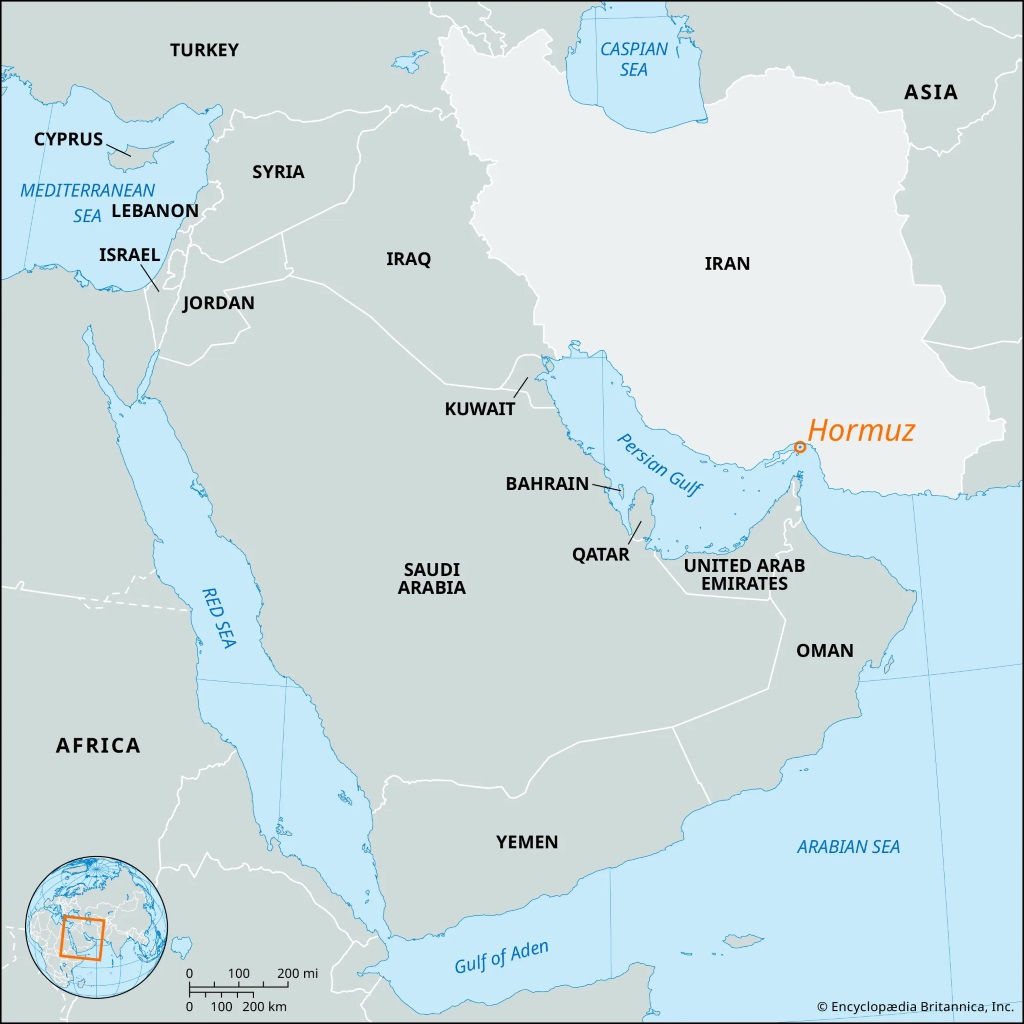
The Strait of Hormuz, one of the most crucial waterways in the world, has experienced a notable increase in shipping traffic over the weekend, coinciding with the approaching deadline set by the United States for Iran to reopen this vital corridor. This situation arises at a sensitive time when global markets are closely monitoring any developments that could affect oil supplies and energy prices.
Shipping traffic in the Strait of Hormuz serves as an important indicator of regional stability, as approximately 20% of the world's total oil supplies pass through it. With escalating tensions between the United States and Iran, markets remain on high alert, increasing pressure on oil prices, which have not yet been significantly affected.
Details of the Increased Traffic
Reports indicate that the number of vessels transiting through the Strait of Hormuz has risen sharply, reflecting growing market concerns over the potential escalation of tensions. The United States has set a deadline for Iran to reopen the corridor, which adds pressure on Tehran and highlights the ongoing tensions between the two sides.
At the same time, oil prices have not seen major fluctuations, suggesting that markets may have already absorbed some of the potential risks. However, any escalation in tensions could lead to sharp price volatility.
Background & Context
The Strait of Hormuz is a vital transit point for oil, having witnessed numerous tensions in recent years due to political and military conflicts in the region. Historically, Iran has threatened to close the strait if faced with international pressure, underscoring the significance of this passage in global politics.
The importance of the Strait of Hormuz lies in its connection between the Arabian Gulf and the Gulf of Oman, serving as a lifeline for oil-dependent economies. In recent years, the strait has experienced several incidents that have affected shipping traffic, heightening international concerns about supply security.
Impact & Consequences
The increase in shipping traffic in the Strait of Hormuz could lead to heightened tensions between the United States and Iran, potentially affecting the stability of global markets. Should pressures continue, we may witness reactions from Iran, which could result in military or economic escalation.
Any escalation in the region could directly impact oil prices, which may reflect on the global economy. Oil-consuming countries could face challenges in securing their supplies, emphasizing the importance of monitoring developments in this context.
Regional Significance
The shipping traffic in the Strait of Hormuz is a vital indicator of regional stability, and any escalation could impact global oil supplies. The geopolitical dynamics surrounding this corridor are critical for understanding the broader implications for international relations and energy security.
In conclusion, as the situation evolves, the international community must remain vigilant regarding the developments in the Strait of Hormuz, as they hold significant implications for global economic stability and energy markets.