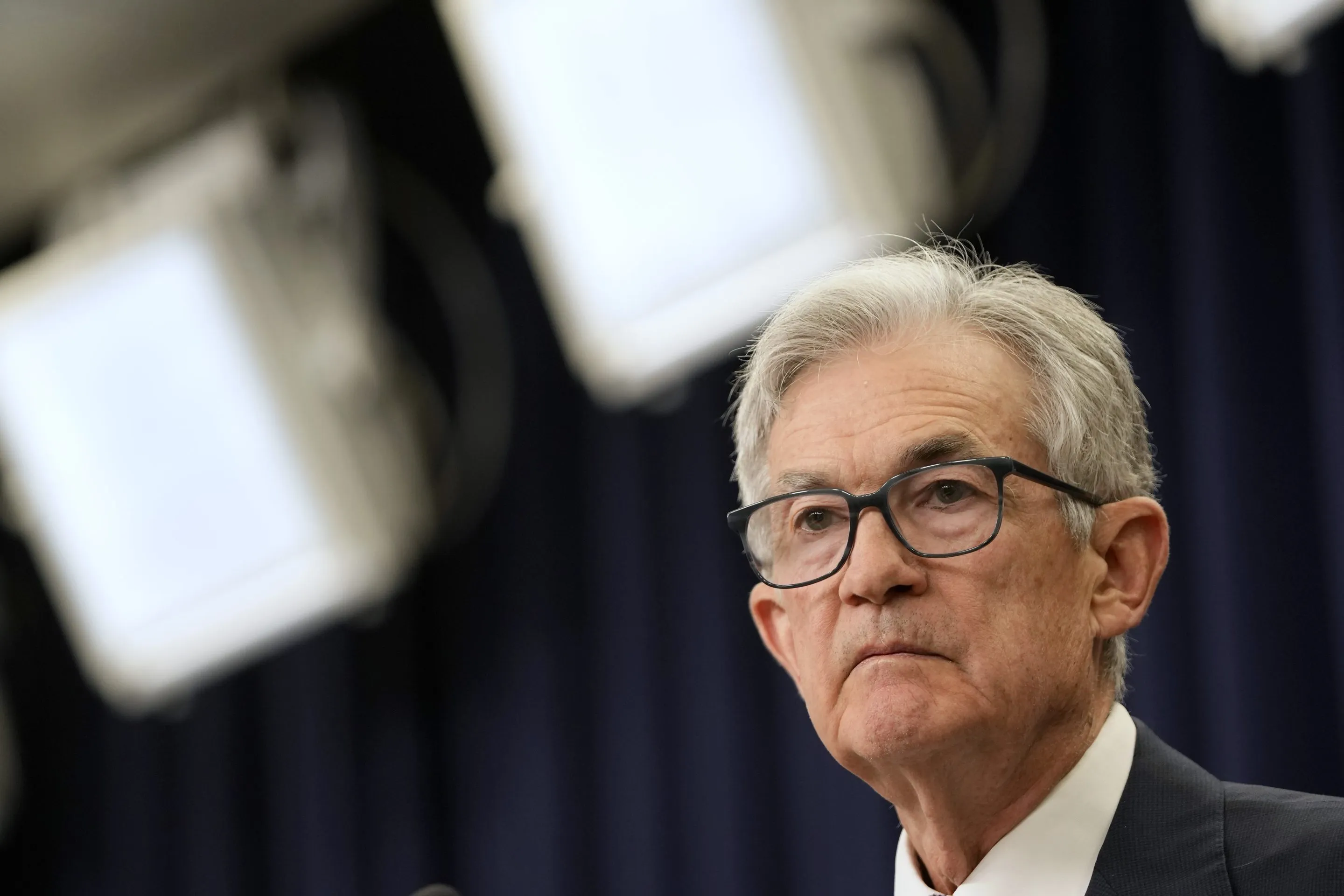
Jerome Powell, the Chairman of the US Federal Reserve, reported current tensions between the central bank's two main objectives: achieving price stability and promoting employment. This statement comes at a sensitive time as the US faces increasing economic challenges that require a delicate balance between monetary and economic policies.
Powell, speaking at a press conference, pointed out that current challenges include rising inflation rates and concerns about economic growth. These remarks reflect growing anxiety in economic circles regarding how to achieve conflicting goals under the current circumstances.
Details of the Event
During the conference, Powell emphasized that the Federal Reserve is under increasing pressure to achieve price stability amid rising inflation rates, which have reached levels not seen in the country for decades. At the same time, the central bank is striving to enhance employment, a fundamental goal in its monetary policy. This tension between the two objectives reflects the challenges faced by decision-makers amid changing economic conditions.
Powell also added that the Federal Reserve is closely monitoring economic data and is prepared to adjust policies as necessary. This means that the central bank may take unconventional actions if inflationary pressures persist or if labor market conditions deteriorate.
Background & Context
Historically, the Federal Reserve has faced similar challenges, having to balance between inflation and economic growth. In previous times, such as the late 1970s and early 1980s, the central bank took stringent measures to contain inflation, resulting in economic recession. These historical experiences highlight the importance of making well-considered decisions at the present time.
In recent years, the United States has experienced an economic recovery following a period of recession caused by the COVID-19 pandemic. However, the recovery has not been uniform, with some sectors facing greater difficulties than others. These gaps in recovery complicate the Federal Reserve's mission to achieve its objectives.
Impact & Consequences
The tension between the goals of the Federal Reserve may lead to significant repercussions on financial markets and the US economy as a whole. If the central bank decides to raise interest rates faster than expected, it could lead to a slowdown in economic growth and increased borrowing costs. This situation may affect businesses and individuals, increasing economic pressures.
Moreover, any changes in monetary policy could impact global markets, as the US economy is one of the largest in the world. Investors in global markets are closely watching for any signals from the Federal Reserve, as any changes could affect capital flows and exchange rates.
Regional Significance
For the Arab region, the tensions between the goals of the Federal Reserve may affect local economies, especially those that rely on exports to the United States. Rising interest rates could lead to reduced demand for Arab goods, impacting economic growth in many countries.
Additionally, any changes in US monetary policy could affect oil prices, which are a vital element for Arab economies. Therefore, monitoring developments at the Federal Reserve is crucial for decision-makers in the region.