Political and security pressures are rising in Lebanon, raising questions about Iran's role in supporting Hezbollah. The intertwining of national sovereignty with military and political influence creates a complex scene threatening the country's stability.
Amid the economic and social crises plaguing Lebanon, Hezbollah's role emerges as a key player in the political landscape. As internal and external pressures increase, many analysts question whether these pressures serve Iran's interests in the region.
Details of the Event
Lebanon has recently witnessed a rise in political tensions, with Hezbollah facing increasing criticism from various political forces. This criticism coincides with the deterioration of economic conditions, exacerbating internal conflicts. There are also fears that this situation could lead to a security explosion, especially given the sharp political division the country is experiencing.
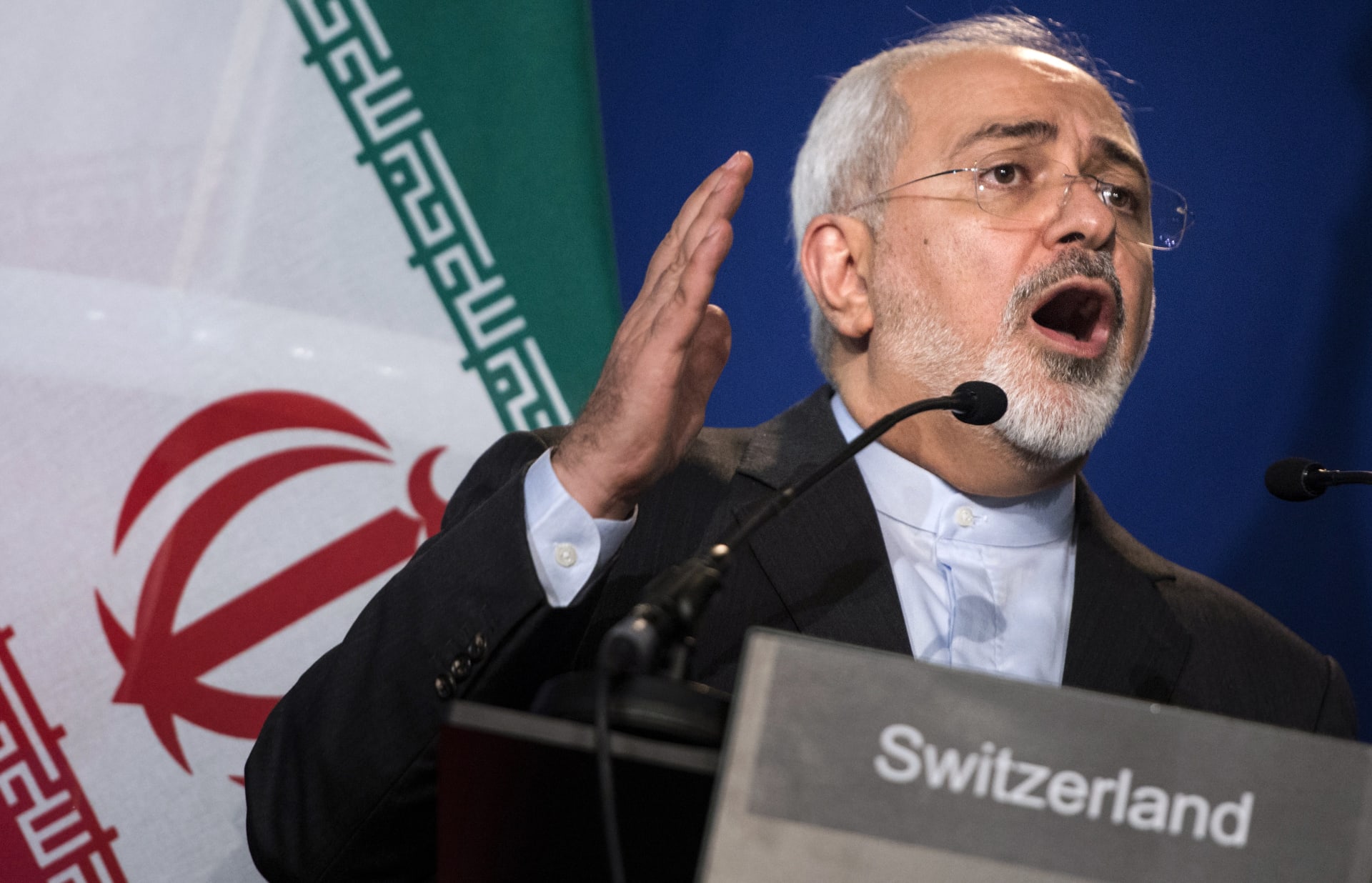
Questions are mounting regarding the extent of Iran's influence over Hezbollah, as the party is considered one of Tehran's most prominent allies in the region. Observers indicate that Iranian support may bolster the party's position, but it could also exacerbate internal crises.
Background & Context
Historically, Hezbollah has played a pivotal role in Lebanese politics, having been established in the 1980s in response to the Israeli occupation. Since then, the party has evolved into a prominent military and political force in Lebanon, supported by Iran. However, this support has not been without challenges, as the party faces increasing pressure from both the international and local communities.
The economic and social crises in Lebanon intertwine with political dimensions, making it difficult for the government to make effective decisions. Lebanese citizens are suffering from a severe shortage of essential resources, increasing public discontent towards political forces, including Hezbollah.
Impact & Consequences
The current situation in Lebanon affects regional stability, as the party is part of the resistance axis that includes Iran and Syria. Any escalation in Lebanon could lead to unforeseen repercussions in the region, including heightened tensions with Israel.
Moreover, the continuation of political and economic crises may drive many Lebanese to seek alternative options, potentially leading to radical changes in the political landscape. This could pose a threat to Hezbollah's authority, which relies on popular support to remain in power.
Regional Significance
The conditions in Lebanon serve as an indicator of the challenges facing many Arab countries, as several nations are experiencing similar political and economic crises. The escalation of tensions in Lebanon could impact stability in neighboring countries, such as Syria and Iraq, where Iran plays a pivotal role.
Additionally, the situation in Lebanon may raise concerns among other Arab nations, which fear that increased Iranian influence could destabilize the region. Therefore, closely monitoring events in Lebanon is essential for understanding regional dynamics.
In conclusion, the situation in Lebanon remains complex, with political and security dimensions intertwining with economic crises. As pressures on Hezbollah increase, the critical question remains: Will political forces be able to overcome these crises, or will the situation continue to deteriorate?