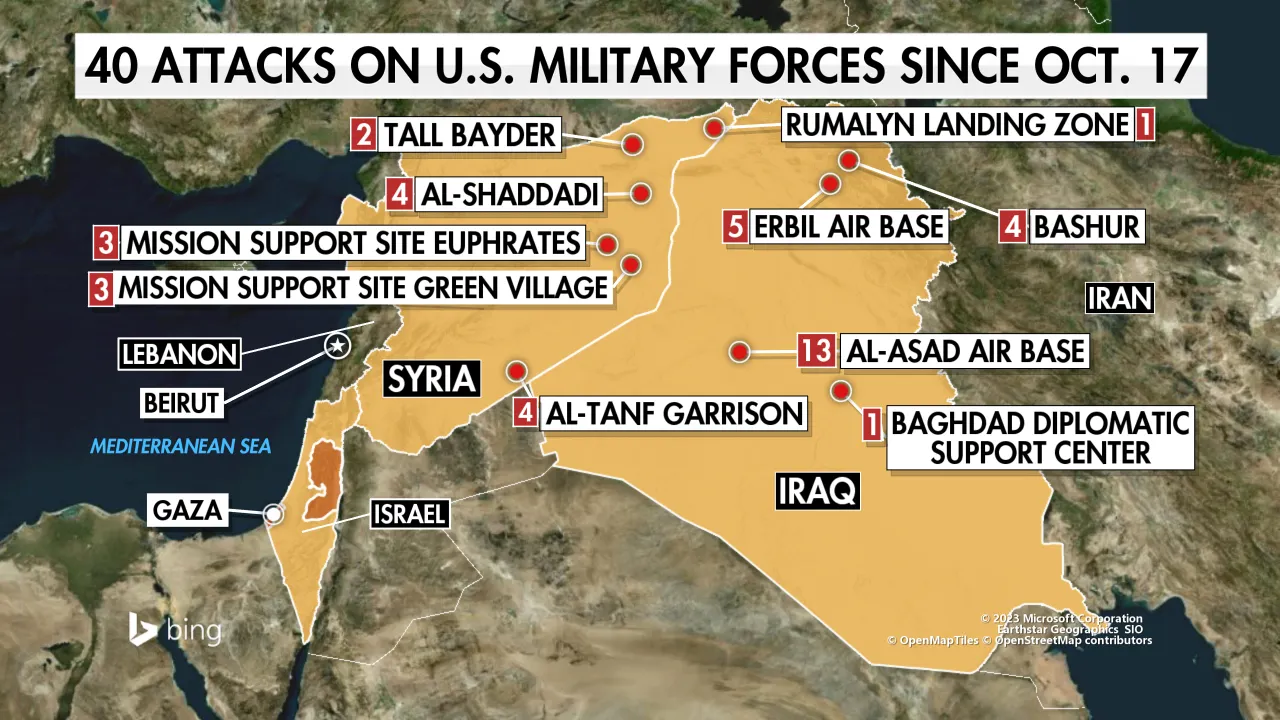
The Arabian Gulf is witnessing a state of increasing tension, with the intensity of the conflict between regional and international powers escalating. In the absence of clear red lines, the situation is heading towards further complexity, raising concerns about the stability and security of the region.
The political and military dimensions of the conflict in the Gulf are multifaceted, with local and international interests intertwining, making it difficult to delineate clear paths for the conflict. Countries like Iran and Saudi Arabia are competing for influence, while major powers play a pivotal role in shaping the contours of this conflict.
Details of the Event
Tensions in the Gulf are markedly increasing, as recent times have seen a rise in military activities, including military maneuvers and mutual threats. Reports have indicated new military movements by U.S. forces in the region, reflecting Washington's concerns over the rising Iranian influence.
At the same time, Iran continues to bolster its military capabilities, further heightening tensions. Iranian officials have indicated that any aggression against their country will be met with a harsh response, placing the region on the brink of open conflict.
Background & Context
Historically, the Gulf has witnessed multiple conflicts, from the 2003 Iraq War to the ongoing tensions between Iran and Gulf states. This historical backdrop reflects the complexities of the current situation, where economic and political interests intersect.
The Gulf region is considered one of the most strategically important areas in the world, housing the largest reserves of oil and gas. This makes it a focal point for major powers, further complicating the ongoing conflict.
Impact & Consequences
The repercussions of the conflict in the Gulf extend beyond regional borders, potentially affecting global oil prices, which in turn impacts the global economy. Should the conflict escalate, we may witness a significant rise in oil prices, adversely affecting importing countries.
Moreover, any military escalation could lead to an influx of refugees and increased social tensions in neighboring countries, complicating humanitarian conditions in the region.
Regional Significance
The situation in the Gulf directly impacts neighboring Arab countries, with growing fears of the conflict spilling over into their territories. Countries such as Iraq, Syria, and Lebanon may find themselves at the eye of the storm, increasing instability.
Furthermore, political divisions within the Arab world may worsen as a result of this conflict, with some countries potentially taking opposing stances, exacerbating the state of division.
In conclusion, the situation in the Gulf remains complex and poised for further developments. It requires intensive diplomatic efforts to avoid slipping into open conflict, as stability in this vital region is crucial for both regional and international security.