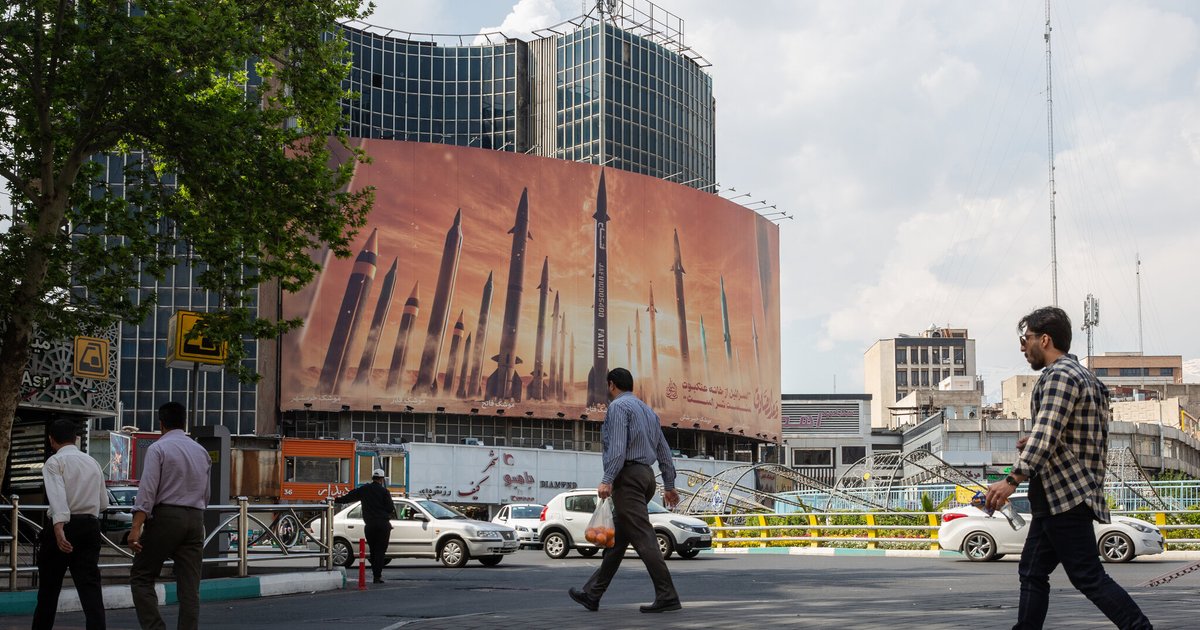
Tensions related to the Iranian file are intensifying, as former US Deputy Secretary of Defense Mark Kimmitt and foreign policy expert Harley Lipman highlighted a complex approach involving American conditions concerning security and politics. During their discussion with Sky News Arabia, they emphasized the importance of these conditions in determining the fate of relations between the United States and Iran.
The conditions include four main elements: enhancing regional security, limiting Iranian nuclear activities, monitoring the missile program, and supporting human rights in Iran. These elements reflect the American approach towards achieving greater stability in the region, raising questions about how Tehran will respond to these demands.
Details of the Event
In their conversation, Kimmitt and Lipman confirmed that the United States seeks to balance military and political pressures on Iran. This approach is part of a broader strategy aimed at addressing potential threats that may arise from Iranian activities in the region. They also noted that these conditions could significantly influence future negotiations regarding the nuclear agreement.
Furthermore, the importance of cooperation with regional allies, such as Gulf countries, was emphasized to ensure the achievement of American objectives. This dynamic indicates that the United States is not acting alone but is seeking to build strategic alliances to confront Iranian challenges.
Background & Context
Historically, US-Iranian relations have seen increasing tensions since the Islamic Revolution in 1979. These tensions have led to the imposition of economic and military sanctions on Iran, affecting its economy and security. In recent years, concerns over the Iranian nuclear program have prompted the United States to adopt stricter positions.
It is noteworthy that the nuclear agreement reached in 2015, which halted some Iranian nuclear activities in exchange for sanction relief, collapsed after the United States withdrew from it in 2018. Since then, Iranian activities in the field of ballistic missiles have increased, complicating the regional situation.
Impact & Consequences
The new American conditions underscore the importance of reassessing regional strategies. With the escalation of Iranian activities, countries in the region may seek to enhance their defensive capabilities, potentially leading to a new arms race. This dynamic could affect the overall stability of the region and heighten tensions among nations.
Additionally, these conditions may lead to changes in regional alliances. Some countries may seek rapprochement with Iran, while others might prefer to strengthen cooperation with the United States. This dynamic will shape the future of relations in the region.
Regional Significance
US-Iranian tensions directly impact Arab countries, especially those neighboring Iran. Countries like Saudi Arabia and the United Arab Emirates are concerned about Iranian activities, prompting them to bolster their alliances with the United States. These tensions could also have economic repercussions, as oil prices and financial markets may be affected.
Ultimately, the question remains regarding how Tehran will respond to these American conditions. The challenges facing Iran may require it to reassess its strategies, which could influence the future of regional and international relations.