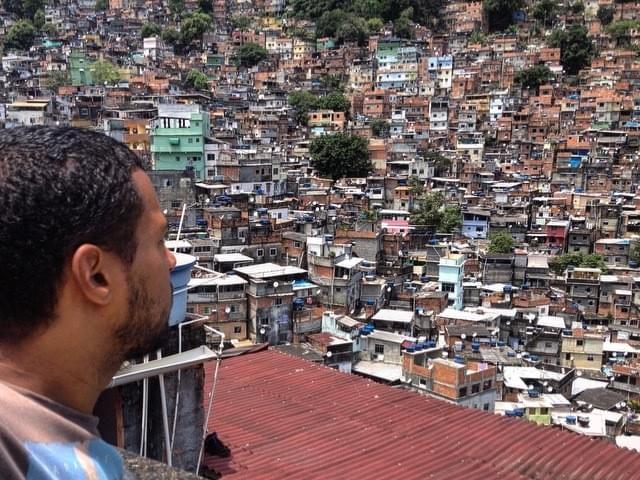
Rocinha, one of the largest impoverished neighborhoods in Rio de Janeiro, has undergone a notable transformation in tourism over the past two years, with a significant increase in the number of visitors. This surge in tourist numbers is primarily attributed to the influence of social media, which has helped highlight the favela's culture and its unique beauty.
Located in the southern part of Rio, Rocinha is home to thousands of residents and has become a popular tourist destination attracting visitors from around the globe. As interest grows, some residents have begun to seize this opportunity by offering tourist services, such as guided tours and selling handicrafts, which has contributed to improving their financial situation.
Details of the Event
Statistics indicate that the number of tourists visiting Rocinha has doubled in the past two years, with reports showing that many visitors come to explore the local culture and interact with residents. However, this influx of tourists has not been without challenges, as some residents have expressed discomfort with the behavior of certain visitors who do not respect their privacy.
Residents benefiting from tourism assert that this phenomenon has improved their economic conditions, while others point to the need for regulations to manage these visits to ensure respect for local culture.
Background & Context
Historically, favelas in Rio de Janeiro have suffered from stigma associated with poverty and crime. However, over time, these neighborhoods have begun to attract attention as unique tourist destinations that reflect the city's cultural diversity. Social media has played a crucial role in changing the stereotype of favelas, making them more appealing to visitors.
Rocinha is one of the largest favelas in the city, featuring a variety of cultural and artistic activities. With the increase in tourism awareness, the local government has started to take steps to improve infrastructure and enhance security in the area.
Impact & Consequences
The main consequences of this increase in tourism include improved economic conditions for some residents, but it also raises issues related to privacy and cultural respect. It is essential for visitors to enjoy their experience without negatively impacting the lives of local residents.
This new dynamic requires a delicate balance between economic benefits and preserving cultural identity. There must be joint efforts from local residents and authorities to ensure that tourism benefits everyone involved.
Regional Significance
The Rocinha experience serves as a model for many Arab countries seeking to enhance tourism in lesser-known areas. Arab nations can draw from this model by developing sustainable tourism that respects local culture and contributes to improving the economic conditions of residents.
Ultimately, the Rocinha favela experience highlights the importance of tourism as a means to foster cultural and economic understanding between peoples, opening new avenues for cooperation and development.