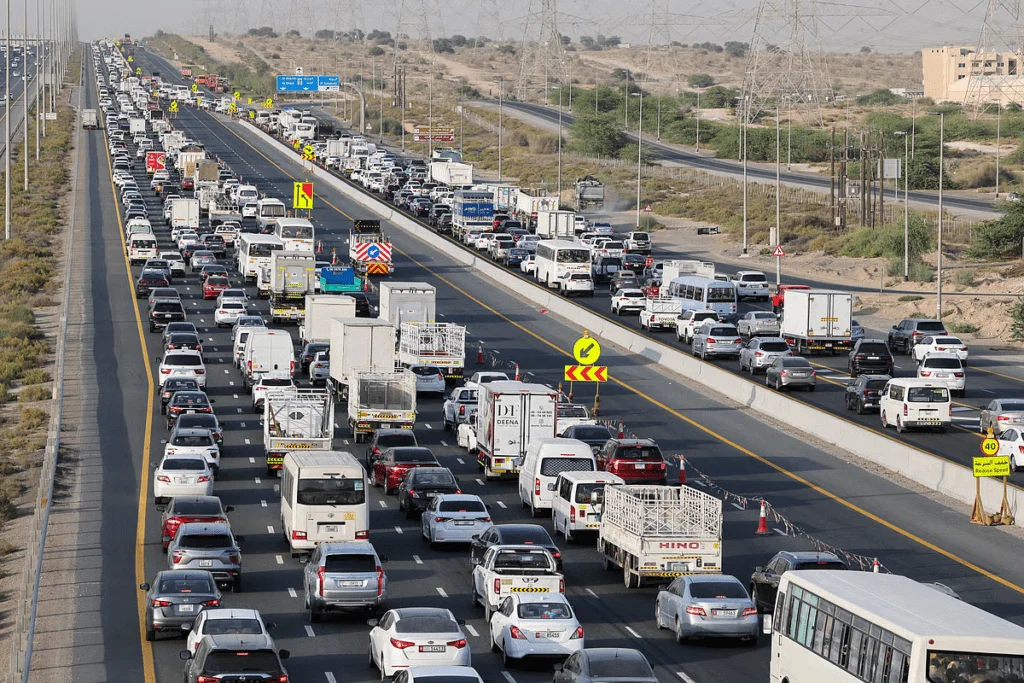
PT. Jasamarga Jalanlayang Cikampek (JJC) recorded a total of 1,505,505 vehicles crossing the Mohammed Bin Zayed Bridge during the Eid al-Fitr holiday of 1447 AH, which corresponds to the year 2026. These figures indicate a remarkable increase of 44.87% compared to normal traffic levels that were 1,039,230 vehicles.
In a statement, the company's General Director, Hendri Taufik, confirmed that traffic was particularly high in the direction of leaving the capital Jakarta, where 767,906 vehicles were recorded, representing an increase of 48.07% over normal levels. Meanwhile, traffic in the opposite direction, towards the capital, saw 737,599 vehicles crossing, an increase of 41.68%.
Details of the Event
This surge in traffic comes as part of the company's preparations to meet the needs of travelers during the holiday period. Several measures were taken to ensure smooth and safe operations. Taufik expressed gratitude to all road users who contributed to maintaining order and safety during this time.
Taufik also urged drivers to ensure the safety of their vehicles and confirm their readiness before setting off, emphasizing the importance of checking fuel levels and battery status, especially with potential changes in weather conditions.
Background & Context
The Eid al-Fitr holiday is one of the busiest periods for traffic in Indonesia, as many seek to return to their hometowns to celebrate with family. In recent years, there has been a noticeable increase in the number of vehicles crossing major roads, necessitating additional measures from authorities to ensure everyone's safety.
Historically, Indonesia has faced significant challenges in managing traffic, especially during religious and national events. However, investments in infrastructure, such as the Mohammed Bin Zayed Bridge, have greatly improved the situation.
Impact & Consequences
These figures highlight the importance of effective planning for traffic management during busy periods. An increase in traffic also means a greater need for emergency and ambulance services, requiring local authorities to be prepared for any emergencies that may arise.
This increase in movement also reflects a recovery in the local economy, as people seek to celebrate and spend during the holidays, which may contribute to boosting various economic sectors.
Regional Significance
Although this event pertains to Indonesia, it sheds light on similar issues faced by many Arab countries during religious occasions. Arab nations also experience increased traffic during holidays, necessitating governments to implement similar measures to ensure citizens' safety.
In conclusion, it can be said that managing traffic during holidays requires careful planning and cooperation among all stakeholders to ensure everyone's safety.