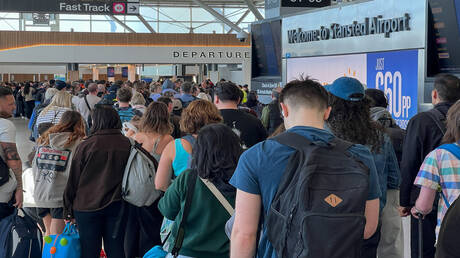
European airport operators have raised alarms about increasing uncertainty in flight planning, caused by frequent changes in flight schedules and airspace restrictions due to escalating tensions in the Middle East. These conditions have led to confusion in the aviation sector, raising concerns among airlines and travelers alike.
Reports indicate that many airlines are struggling to adapt to sudden changes, negatively affecting flight schedules. Additionally, the airspace restrictions resulting from political and economic events in the region complicate matters further.
Details of the Situation
Recently, European airspace has witnessed notable changes in flight operations, forcing many airlines to frequently adjust their schedules. This situation has arisen from the rising tensions in the Middle East, which have impacted aircraft's ability to fly in certain airspaces. Airport operators have noted that these changes could lead to delays and cancellations, exacerbating the plight of travelers.
Data has shown a significant increase in the number of canceled flights, reflecting the instability currently affecting the sector. Travelers are facing a shortage of available options, with many finding themselves forced to alter their travel plans at the last minute.
Background & Context
Historically, the European aviation sector has experienced numerous crises, but the current tensions in the Middle East are among the most impactful. Ongoing conflicts in the region, including armed disputes and political unrest, directly affect air travel.
In recent years, there have been attempts to improve conditions, but new crises are reversing progress. The COVID-19 pandemic has added an additional layer of complexity, as the sector continues to strive for recovery from its effects.
Impact & Consequences
The repercussions of these disruptions on the European aviation sector are significant, affecting the economy at large. With increasing uncertainty, investments in this sector may decline, leading to job losses and heightened pressures on companies.
Moreover, travelers are suffering from instability, impacting their plans and increasing costs. Airlines may need to implement additional measures to ensure the safety and comfort of passengers, which could further raise operational costs.
Regional Significance
These developments directly affect Arab countries, as many of these nations are key travel destinations for European travelers. With increasing restrictions on airspace, tourism flows may be significantly impacted, affecting local economies.
Additionally, tensions in the Middle East could lead to rising airfare prices, making travel less accessible for Arab travelers. Under these circumstances, governments and relevant companies must work to find effective solutions to ensure the sector's stability.