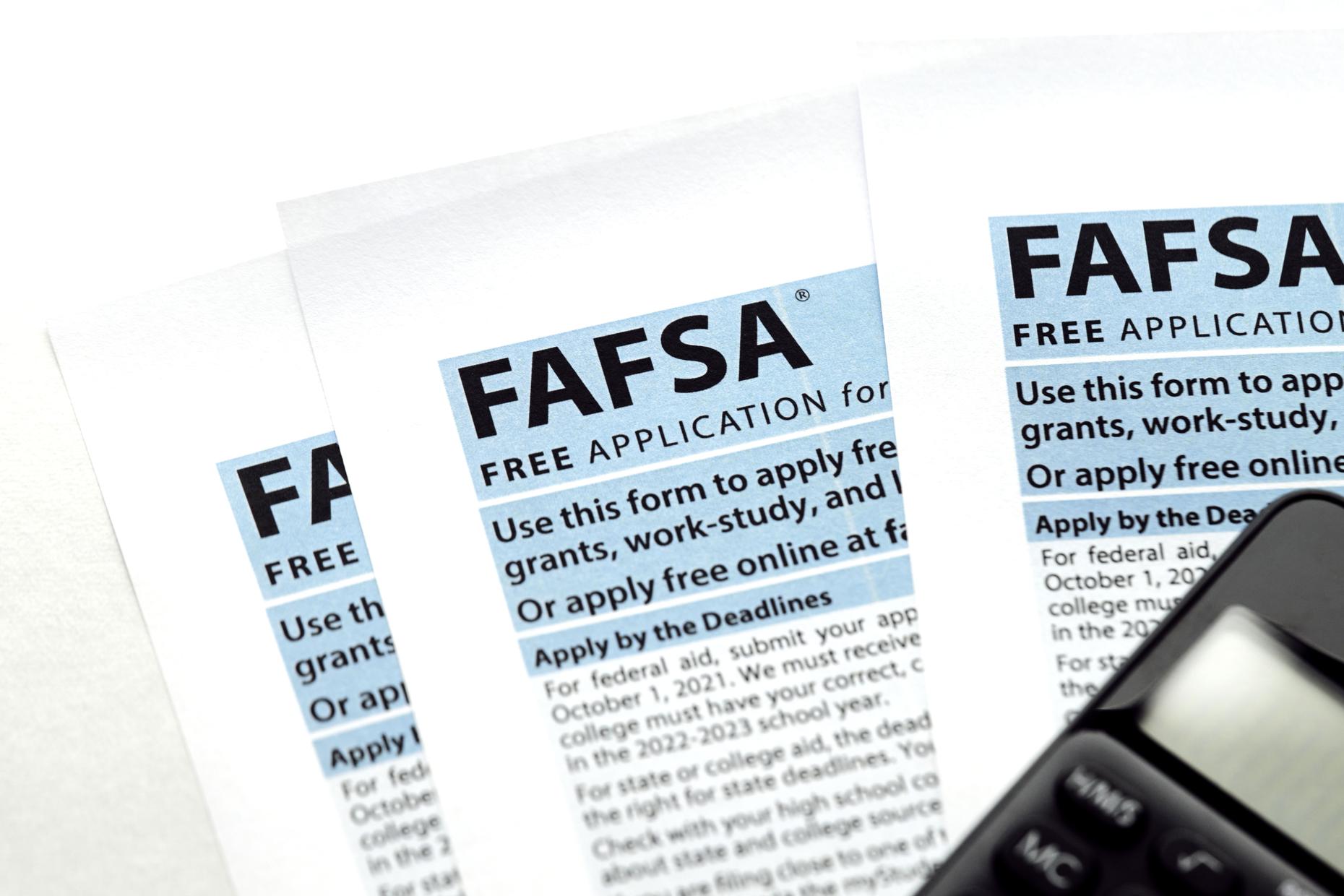
University loans in the Arab region have seen a significant increase, raising questions about their impact on students and their families. With rising education costs, these loans have become a pressing necessity for many students.
University loans are a vital financing tool that allows students to access higher education, especially amid the challenging economic conditions faced by many families. However, the growing reliance on these loans presents new challenges regarding future debts that may burden graduates.
Details of the Situation
Reports indicate that the percentage of students relying on university loans has risen sharply in recent years. Statistics show that over 60% of students in some Arab countries depend on loans to cover their educational expenses. This trend reflects the financial challenges families face due to rising education costs.
The conditions for obtaining loans vary between countries, with some governments offering special support programs for students, while others rely on traditional banking systems. These differences directly affect students' ability to access higher education.
Background & Context
Historically, university loans have existed as a means to support education, but with the increasing costs of education, the need for these loans has become more urgent. In recent years, many Arab countries have witnessed a rise in tuition fees, prompting students to seek alternative funding sources.
In some Arab countries, university loans are considered part of the education system, as governments strive to enhance the quality of higher education by providing necessary funding for students. However, these loans may exacerbate the student debt problem, necessitating a reevaluation of educational policies.
Impact & Consequences
University loans significantly affect students' lives after graduation. Studies have shown that graduates with student debt face greater difficulties in achieving financial stability. Additionally, this debt may influence their future decisions, such as buying a home or starting a business.
Moreover, loans can increase psychological pressure on students, affecting their academic performance. Therefore, it is crucial to provide psychological and financial support to help students navigate these challenges.
Regional Significance
University loans are an important issue in the Arab region, impacting the future of education and development. In light of economic challenges, it is essential for governments to adopt educational policies that support students and alleviate the burden of debt.
Furthermore, enhancing awareness about financial debt management can help students make better financial decisions. There should be awareness programs aimed at teaching students how to handle loans and avoid falling into debt traps.
In conclusion, university loans are an important tool for supporting higher education, but they must be handled with caution. It is vital for governments, universities, and civil society to collaborate to ensure a sustainable educational environment that supports students without imposing additional financial burdens.