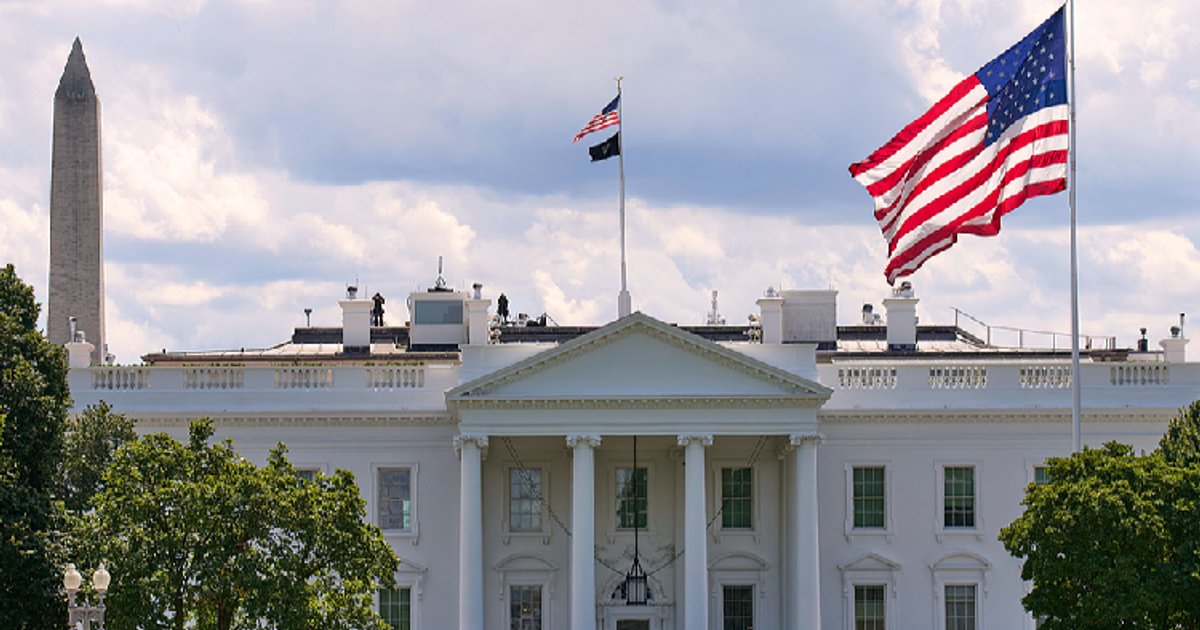
The White House Office of Management and Budget announced on Friday the 2027 budget proposal, which includes an increase in defense spending to $1.5 trillion, a move aimed at enhancing the military capabilities of the United States. This proposal comes at a time when international tensions are rising, raising questions about the US government's priorities in resource allocation.
The proposed budget includes a reduction in funding for domestic programs, reflecting the administration's shift towards focusing on national security amid global challenges. This budgetary shift is seen as an indicator of the new defense strategy that the United States aims to adopt to confront the increasing threats from countries like China and Russia.
Details of the Proposal
The proposed budget seeks to significantly increase defense spending compared to previous years, with $1.5 trillion allocated to support the US armed forces, including the modernization of military equipment and the enhancement of technological capabilities. The budget also includes funding for research and development in advanced defense areas.
Conversely, domestic programs such as education and healthcare will see a reduction in funding, raising concerns among many lawmakers and citizens who believe this move could negatively impact essential services. The proposal is expected to face opposition from some members of Congress, who are calling for a greater balance between defense spending and domestic needs.
Background & Context
Historically, the United States has been considered the world's leading military power, with its defense budgets experiencing significant fluctuations based on political and economic conditions. In recent years, concerns about external threats have increased, prompting the government to reassess its defense strategies.
This increase in defense spending comes at a sensitive time, as geopolitical tensions are escalating in multiple regions of the world, including the Pacific and Eastern Europe. The competition with China and Russia has become more pronounced, necessitating the strengthening of US military capabilities.
Impact & Consequences
The increase in defense spending may enhance US military capabilities, contributing to deterring potential threats. However, the reduction in funding for domestic programs could exacerbate social and economic conditions in the country, raising concerns about its impact on internal stability.
This move may also affect US relations with its allies, as some may feel that the focus on defense spending comes at the expense of cooperation in other areas such as economic development and trade.
Regional Significance
Amid rising tensions in the Middle East, the increase in US defense spending may influence regional dynamics. Some Arab countries may seek to bolster their military capabilities in light of these developments, potentially leading to an arms race in the region.
Furthermore, the US focus on enhancing military capabilities may impact the foreign policies of Arab states, as governments may face increased pressure to adopt stronger security strategies to address potential threats.
The new proposal to increase US defense spending reflects a strategic shift in American policy, raising questions about the government's priorities amid internal and external challenges. It will be essential to monitor reactions from Congress and the international community to this proposal and its implications for both domestic and international situations.