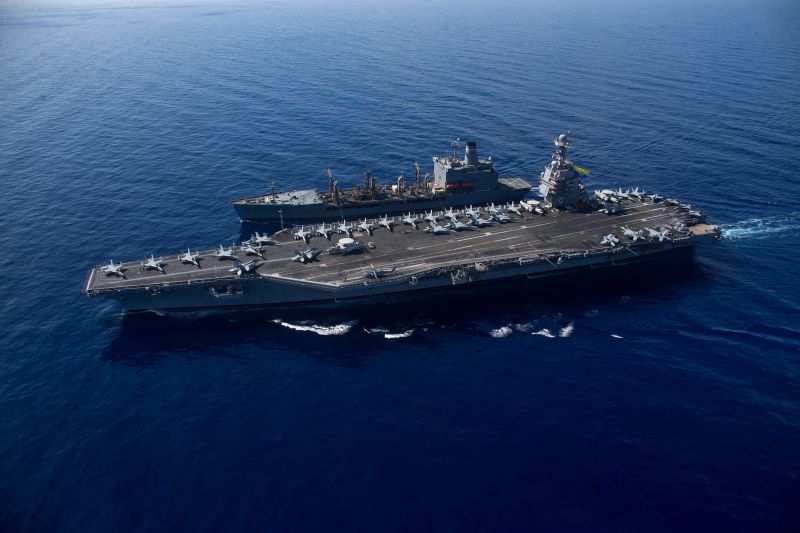
U.S. military movements in the Middle East are raising questions about whether these actions are a show of force or a precursor to new ground operations. These developments come amid escalating regional tensions, especially following recent events in several countries.
In recent days, U.S. military reports have noted a significant buildup of troops and equipment in various areas, including military bases in the Arabian Gulf. This buildup occurs at a sensitive time, as fears grow over escalating armed conflicts in the region, particularly given the multiple crises affecting countries like Iraq and Syria.
Details of the Military Buildup
Military sources have reported that the United States has deployed additional units to the Middle East, including naval vessels and fighter jets. This move is part of Washington's strategy to enhance its military presence in the region, which it deems necessary to counter potential threats from hostile powers.
Joint military exercises with U.S. allies in the region have also been announced, reflecting Washington's desire to strengthen military cooperation with allied nations. These exercises aim to improve coordination among various forces and enhance rapid response capabilities in the event of any escalation.
Background & Context
Historically, the Middle East has witnessed multiple U.S. military interventions, the most notable being the U.S. invasion of Iraq in 2003. Since then, the region has become a theater for ongoing conflicts, as major powers seek to achieve their strategic interests.
In recent years, tensions between the United States and Iran have escalated, prompting Washington to take proactive steps to bolster its military presence. These actions come at a time when the world is experiencing significant geopolitical shifts, with regional and international powers striving to reshape the balance of power in the area.
Impact & Consequences
These military movements are likely to escalate tensions in the region, which could negatively impact security and stability. If the United States continues to enhance its military presence, it may provoke reactions from regional powers, increasing the likelihood of armed conflicts.
Furthermore, these developments may affect relations between the United States and Arab countries, as some nations may feel concerned about the rising U.S. influence in their internal affairs. This anxiety could drive some countries to seek new alliances or strengthen ties with other powers.
Regional Significance
The U.S. military movements in the Middle East have significant implications for Arab countries, potentially leading to increased divisions among them. Some nations may view these actions as an opportunity to bolster their security, while others may feel threatened.
In light of these circumstances, the question remains: Will the United States move towards new ground operations in the region? Or is the military buildup merely a show of force? The answer to this question will shape the future political and security landscape of the Middle East.