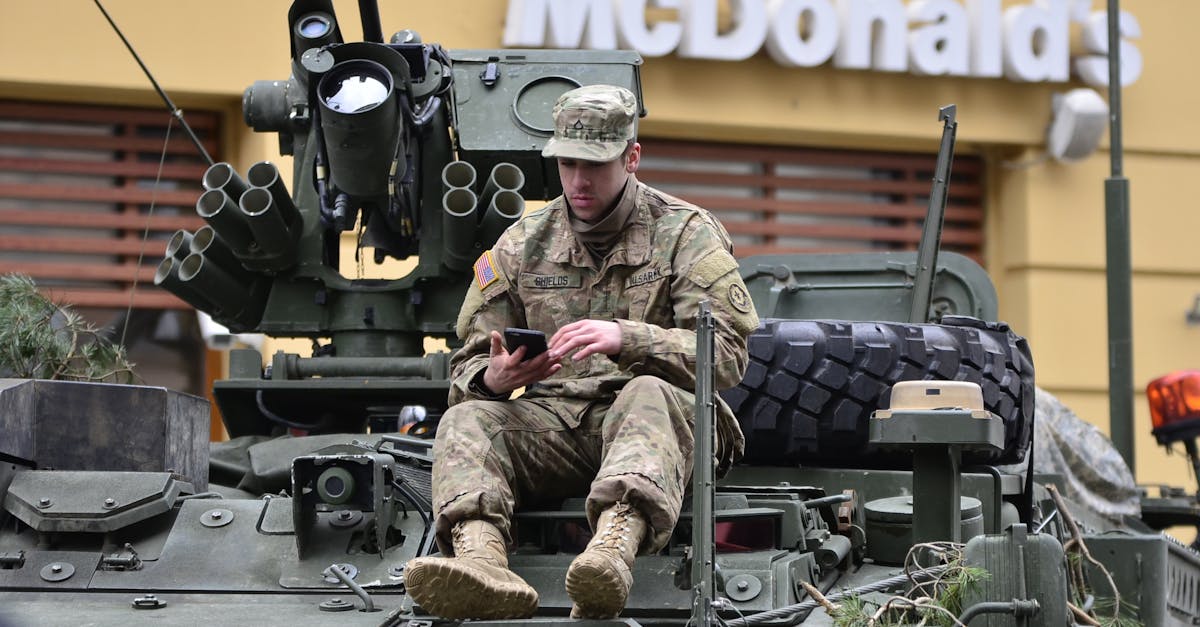
Republican Congressman Tom Cotton, chairman of the U.S. Senate Intelligence Committee, has announced an increase in the U.S. military presence in the Middle East, which will include the deployment of more troops, specifically a brigade specialized in missile operations. This decision is part of a response to the rapidly evolving security developments in the region, necessitating swift and effective military actions.
These reinforcements are part of a broader strategy aimed at enhancing security and stability in the Middle East, where threats from armed groups and nations seeking to destabilize the region are on the rise. Cotton emphasized that these forces will support allies in the area and bolster their defensive capabilities.
Details of the Deployment
The U.S. military reinforcements will include a brigade specialized in missile launch operations, reflecting the United States' commitment to protecting its interests and those of its allies in the Middle East. This brigade will be equipped with the latest military technologies, enhancing the U.S. forces' ability to respond quickly to any potential threats.
This action comes at a time when the Middle East is experiencing heightened tensions, particularly with increased military activities in areas such as Iraq and Syria. This U.S. maneuver indicates Washington's desire to maintain its military presence in the region despite growing political pressures to withdraw.
Background & Context
Over the past few years, the Middle East has undergone significant changes in its security landscape, with armed conflicts escalating and terrorist activities increasing. The United States, as a superpower, has always been present in this region, aiming to protect its strategic interests and ensure the stability of its allies.
Historically, the U.S. has intervened militarily in the Middle East during times of crisis, such as the Iraq and Afghanistan wars. However, the current challenges require a more agile and rapid response, which explains the decision to send a brigade specialized in missile operations to the area.
Impact & Consequences
This military reinforcement is expected to affect the strategic balance in the region. It may lead to increased tensions between the United States and countries it considers a threat, such as Iran. Additionally, the presence of additional U.S. forces could provoke reactions from armed groups that may view this as a provocation.
Furthermore, this move could impact U.S. relations with its allies in the region, as some may feel concerned about the escalating tensions. However, others may see these reinforcements as a reflection of the U.S. commitment to safeguarding their interests.
Regional Significance
These U.S. military reinforcements hold significant importance for the Arab region, reflecting the increasing security challenges faced by Arab nations. They may lead to enhanced security cooperation between Arab countries and the United States, but they could also escalate tensions among competing nations.
In light of these circumstances, Arab countries must be prepared to address the growing security challenges and seek to enhance their defensive capabilities. They should also work towards strengthening regional cooperation to confront common threats.
In conclusion, the deployment of a U.S. brigade specialized in missile operations to the Middle East represents a strategic step aimed at enhancing security and stability in the region. However, this move may also bring new challenges that require effective responses from Arab nations and the international community.