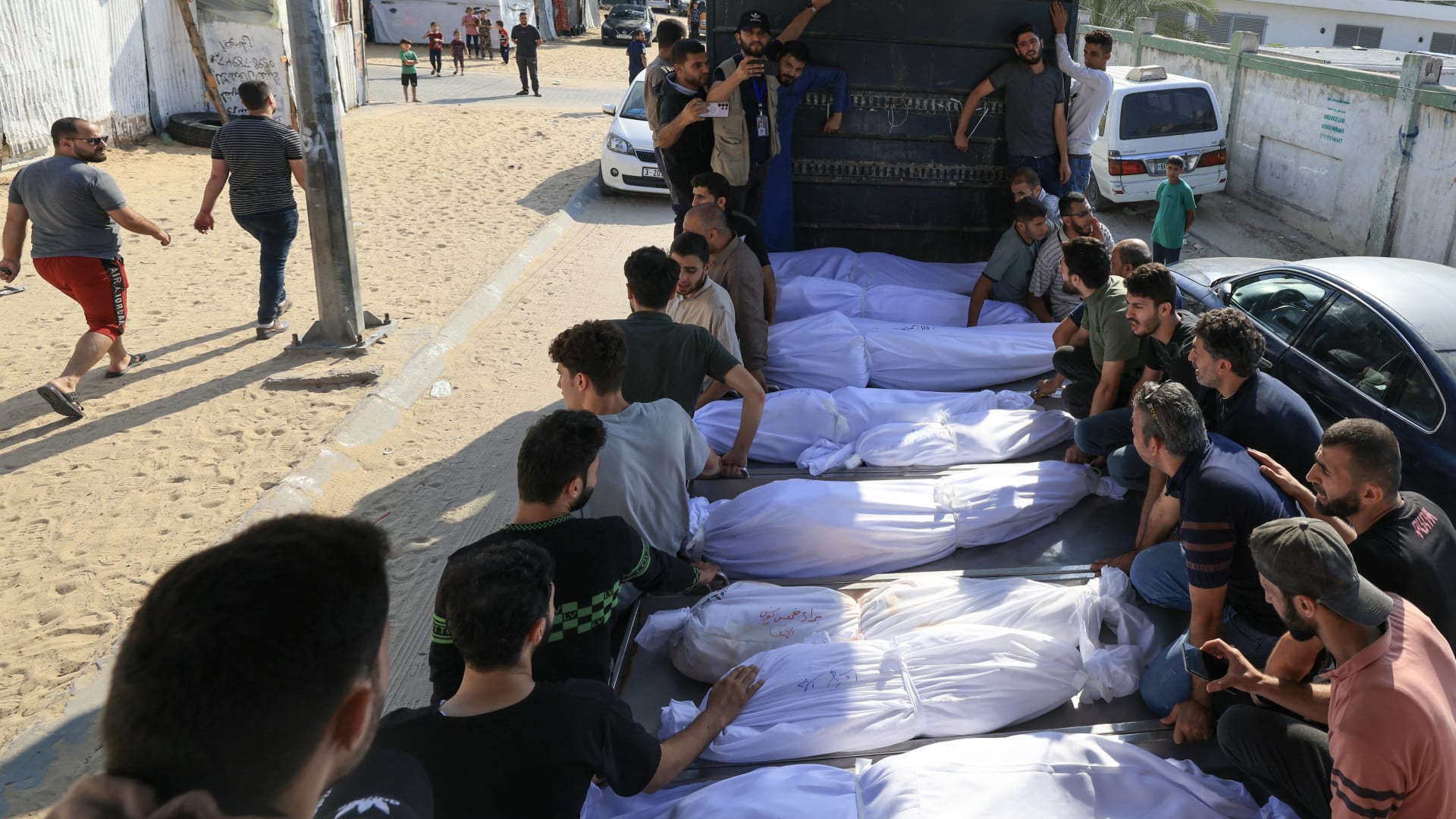
Violations against detainees are on the rise across several Arab countries, extending from the prisons of Gaza to those in Cairo and Tunis. These practices reflect a frantic desire to entrench power, as if it were a divine fate that cannot be overcome, while at the same time ignoring the possibilities of jumping into the 'flood' that could threaten the stability of the ruling regimes.
The reasons behind these violations are manifold, as regimes seek to suppress any opposing voice or popular movement that could threaten their authority. Amid deteriorating economic and social conditions, the intensity of repression increases, raising questions about the future of these regimes and their ability to survive in light of growing public awareness.
Details of the Situation
Reports indicate that detainees in Gaza suffer from harsh conditions, where their basic rights are violated daily. In Cairo, Egyptian authorities continue to arrest political opponents, while in Tunis, recent arrests have raised widespread concerns about freedom of expression and human rights.
International reactions to these violations vary, with human rights organizations calling for adherence to international human rights standards. However, it seems that the ruling regimes continue their policy of repression without regard for these calls, further increasing public discontent.
Background & Context
Historically, the Arab region has witnessed waves of political repression, where ruling regimes have used force to suppress any opposition. Since the Arab Spring revolutions, the intensity of violations has increased, as governments have employed repressive methods to maintain their power.
These violations range from arbitrary arrests, torture, and deprivation of basic rights. In this context, there is an urgent need to enhance awareness of human rights in the region and work towards achieving justice and accountability.
Impact & Consequences
Studies indicate that the continuation of these violations could exacerbate the political and social conditions in the region. With increasing public discontent, new protest movements may emerge, threatening the stability of the ruling regimes.
Moreover, ongoing violations could negatively impact the international relations of the concerned countries, as they may face pressure from the international community to cease these practices. Additionally, these violations could lead to a deterioration of economic conditions, further increasing the suffering of citizens.
Regional Significance
The violations against detainees in Gaza, Cairo, and Tunis are part of a broader phenomenon that includes many Arab countries. The continuation of these practices may lead to a widespread sense of frustration and despair among youth, potentially pushing them to seek more radical political alternatives.
In conclusion, the issue of human rights in the Arab region remains central, requiring collective efforts from civil society and the international community to pressure ruling regimes to respect citizens' rights. Enhancing awareness of human rights and demanding justice and accountability is the path towards achieving the desired change.