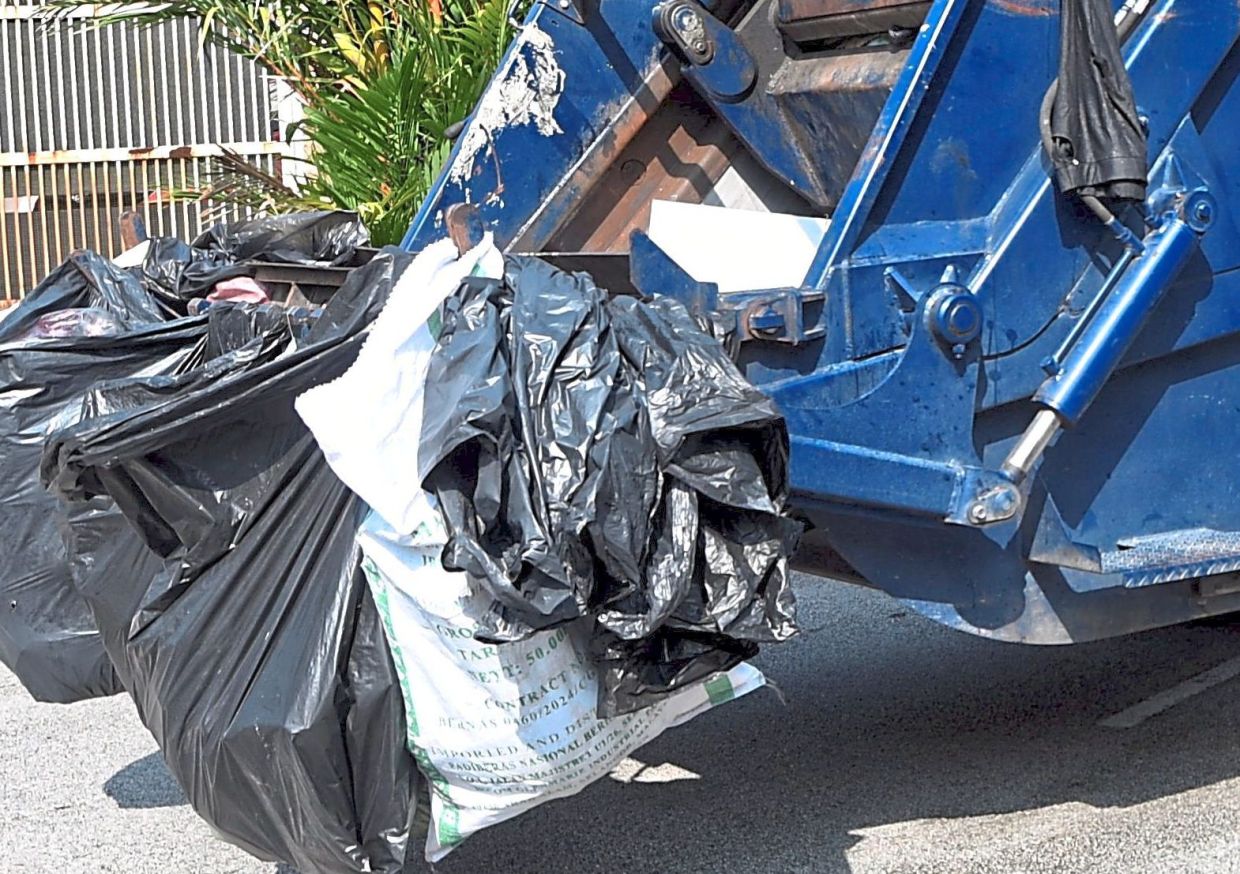
Penang's Minister, Chow Kon Yeow, announced a rise in waste collection costs in the state due to increasing fuel prices. He explained that this increase is part of the government's efforts to address the economic challenges facing the country, which have been significantly impacted by the rise in global energy prices.
The state of Penang, which is considered one of the main tourist destinations in Malaysia, is witnessing a noticeable increase in public service costs, including waste collection. Yeow pointed out that this increase will affect the local government's budget, necessitating additional measures to ensure the sustainability of services.
Details of the Announcement
This increase in waste collection costs comes at a sensitive time, as citizens are experiencing growing economic pressures. Yeow indicated that the government will work on improving the efficiency of waste collection despite financial challenges. He also confirmed that the government will seek innovative solutions to mitigate the financial impact on citizens.
In recent years, fuel prices have seen significant increases due to several factors, including geopolitical disruptions and changes in global energy markets. These factors have led to rising transportation and public service costs, affecting citizens' daily lives.
Background & Context
Historically, Penang has relied heavily on tourism and light industries, making it vulnerable to fluctuations in the global market. With rising fuel prices, the local government is compelled to review its financial policies to ensure effective service delivery to citizens. In recent years, there have been attempts to improve the waste management system, but financial challenges have hindered these efforts.
Penang is one of the more advanced Malaysian states, but it faces significant challenges in waste management. With an increasing population and number of tourists, the volume of waste that needs to be processed is rising, requiring substantial investments in infrastructure.
Impact & Consequences
The increase in waste collection costs is expected to directly affect citizens, as they may have to bear part of these costs through increased fees for waste collection services. Additionally, this increase could impact small and medium-sized enterprises that rely on waste collection services for their daily operations.
Furthermore, these changes could lead to higher pollution levels if the government fails to manage waste effectively. Experts have warned that failure to take swift action could exacerbate the environmental problem in the state.
Regional Significance
This issue is particularly significant for Arab countries facing similar challenges in waste management. With rising fuel prices, Arab governments may find themselves compelled to review their policies regarding waste collection and public services. The experiences of Penang can serve as a lesson for Arab countries on how to address environmental and financial challenges.
In conclusion, it is clear that the rise in waste collection costs in Penang is a direct result of increasing fuel prices, necessitating urgent government action to ensure service sustainability and environmental protection. Other countries, including Arab nations, should learn from this experience to avoid future crises.