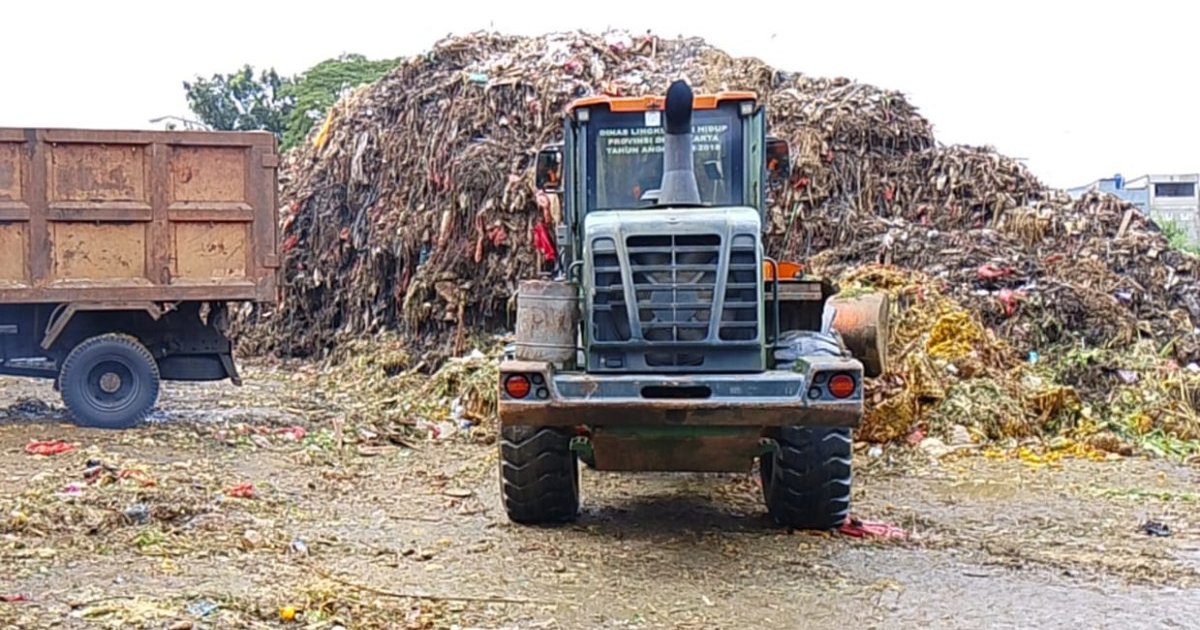
Restrictions on the Bantargebang landfill have exacerbated the waste crisis in the Central Kramat Jati Market, leading to significant waste accumulation. This situation raises concerns among local residents and impacts the environment.
Images captured in the area reveal the scale of the disaster, with piles of waste scattered everywhere, obstructing traffic and posing a public health risk. Transport workers are forced to navigate around these heaps, increasing health hazards.
Details of the Incident
Reports indicate that the restrictions imposed on the Bantargebang landfill have hindered local authorities' ability to manage waste effectively. With the growing population in the area, it has become increasingly difficult to handle waste appropriately, exacerbating the problem.
The Central Kramat Jati Market is one of the largest markets in Indonesia, attracting numerous visitors daily. However, the waste accumulation in the area negatively affects the visitor experience and threatens the health of residents.
Background & Context
Historically, Indonesia has faced significant challenges in waste management, suffering from a lack of infrastructure necessary to cope with increasing waste volumes. This situation has worsened due to rapid population growth and urbanization.
The waste problem in Indonesia is one of the country's most significant environmental challenges, contributing to air and water pollution and affecting wildlife. The government has attempted to take steps to improve waste management, but progress remains slow.
Impact & Consequences
The current waste crisis impacts public health, as accumulated waste can lead to the spread of diseases. Additionally, environmental degradation affects the quality of life for local residents, increasing social tensions.
Moreover, this crisis could impact the local economy, as visitors might avoid the market due to deteriorating conditions. This could lead to decreased revenue for local shops.
Regional Significance
The waste crisis in Indonesia serves as a reminder of the importance of waste management worldwide, including in Arab countries. Many Arab nations face similar challenges in waste management, necessitating effective actions to improve the situation.
Arab countries could benefit from Indonesia's experiences in addressing this issue by developing effective waste management strategies and promoting environmental awareness among residents.
The waste crisis in Indonesia highlights the urgent need for improved waste management globally. Governments and communities must work together to find sustainable solutions to this problem.