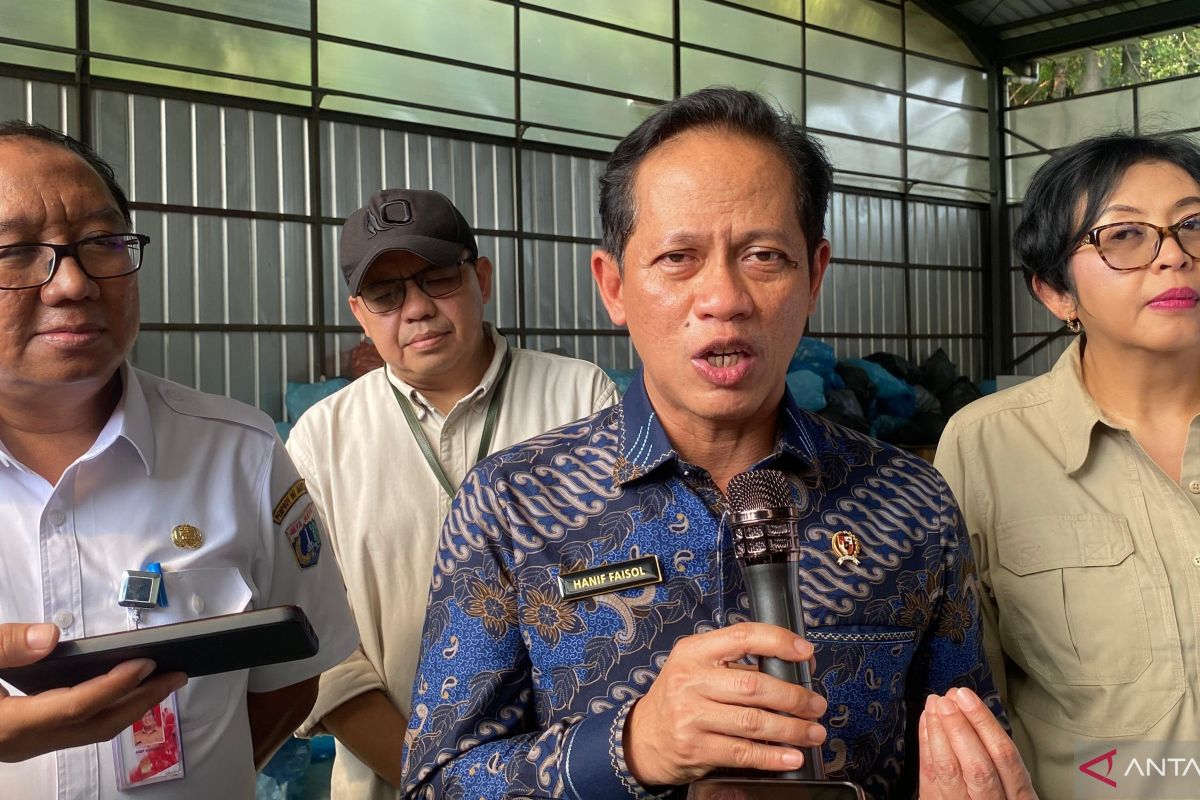
Authorities in Jakarta have announced that the restrictions imposed on the amount of waste allowed for disposal at the Bantargebang waste processing site have worsened the waste crisis in the Pasar Minggu area. Ucok, an official in the regional environmental implementation unit, confirmed that these restrictions have significantly impacted waste collection processes, leading to accumulation in the streets.
Ucok noted that the restrictions came after a collapse incident that occurred on March 8, 2026, where the number of trucks permitted to dispose of waste daily was reduced from 308 trucks to only 190 trucks. This sudden change negatively affected the region's ability to manage waste effectively, resulting in accumulation in areas not designated for that purpose.
Details of the Incident
The reduction in the number of trucks has increased pressure on temporary waste storage sites, including areas near the Pasar Minggu train station. Ucok explained that waste remains in storage sites for longer periods, requiring waste collection workers to exert more effort to maintain order.
He added that some citizens continue to ignore warnings and throw waste in public places, despite laws prohibiting such actions, such as Local Law No. 4 of 2019, which stipulates fines of up to 10 million rupiah or imprisonment for up to three months.
Background & Context
The waste management issue in Jakarta is one of the pressing challenges facing the city, which produces approximately 1,120 tons of waste daily, especially during holiday periods. This problem has been further complicated by rapid population growth and urban expansion, necessitating effective and sustainable solutions.
Historically, Jakarta has experienced several waste management crises, leading to collapse incidents at waste processing sites. These events highlight the urgent need for improved infrastructure and innovative solutions for waste disposal.
Impact & Consequences
The ramifications of this crisis extend beyond its immediate environmental impact, affecting public health and citizen safety. The accumulation of waste in the streets can lead to the spread of diseases and increases the risk of traffic accidents due to waste obstructing roadways.
This crisis also reflects the weaknesses in the administrative system for handling waste, calling for government intervention to establish long-term strategies for improving waste management and enhancing environmental awareness among citizens.
Regional Significance
Jakarta's experience in waste management serves as an important lesson for Arab cities facing similar challenges. With the increasing population in many Arab cities, governments must adopt effective strategies for waste disposal and sustainable resource management.
In conclusion, the situation in Jakarta requires a swift response from the government and civil society to ensure improved waste management and mitigate negative impacts on the environment and public health.