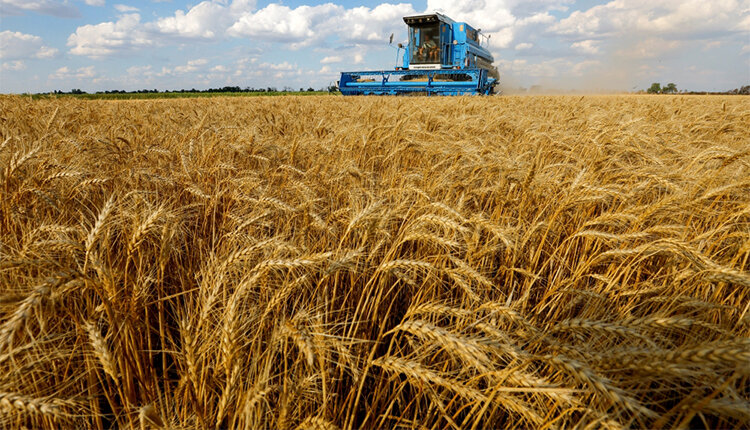
The Minister of Agriculture and Land Reclamation, Sayed El-Kosayer, announced the government's decision to raise the wheat supply price to 2500 EGP per ton, as part of the state's efforts to motivate farmers and increase supply quantities. This decision comes at a critical time as the government seeks to enhance local wheat production to address current economic challenges.
The minister confirmed that this decision reflects the government's commitment to supporting farmers and encouraging them to increase production, noting that this new price serves as a strong incentive for farmers to supply larger quantities of the crop. He also pointed out that the government aims to achieve self-sufficiency in wheat and reduce reliance on imports.
Details of the Decision
In his statements, El-Kosayer explained that the increase in the wheat supply price comes after a thorough study of the agricultural and economic reality in the country. The price was determined based on production costs and the needs of farmers. He emphasized that this decision will enhance farmers' ability to improve crop quality and increase productivity.
He also mentioned that the government is working to provide all production requirements, including fertilizers and pesticides, to ensure the success of the agricultural season. This step is part of a comprehensive plan aimed at developing the agricultural sector and increasing its contribution to the national economy.
Background & Context
Wheat is considered a strategic crop in Egypt, as millions of citizens rely on it for their daily food. Historically, Egypt has imported large quantities of wheat to meet local market needs, making it vulnerable to fluctuations in global prices.
In recent years, the Egyptian government has begun to take serious steps towards achieving self-sufficiency in wheat by increasing cultivated areas and providing support to farmers. The country has witnessed a noticeable increase in wheat production in recent years, contributing to a reduction in reliance on imports.
Impact & Consequences
The increase in the wheat supply price is expected to contribute to an increase in supply quantities from farmers, which will enhance the country's stock of this strategic crop. Additionally, this decision may help improve farmers' incomes, positively impacting the local economy.
However, it is essential to monitor the impact of this decision on bread and other food prices, as any increase in food prices could affect citizens' purchasing power. Therefore, the government must take appropriate measures to ensure price stability in the market.
Regional Significance
Egypt is one of the largest wheat importers in the Arab region, and any changes in its agricultural policy could affect wheat markets in neighboring countries. If Egypt succeeds in achieving self-sufficiency in wheat, it could become a model for other countries facing similar challenges.
Moreover, enhancing local wheat production may contribute to improving food security in the region, especially in light of the economic and political crises faced by some Arab countries.
In conclusion, the decision to raise the wheat supply price represents an important step towards enhancing local production and achieving self-sufficiency. However, it requires careful monitoring of potential impacts on prices and local markets.