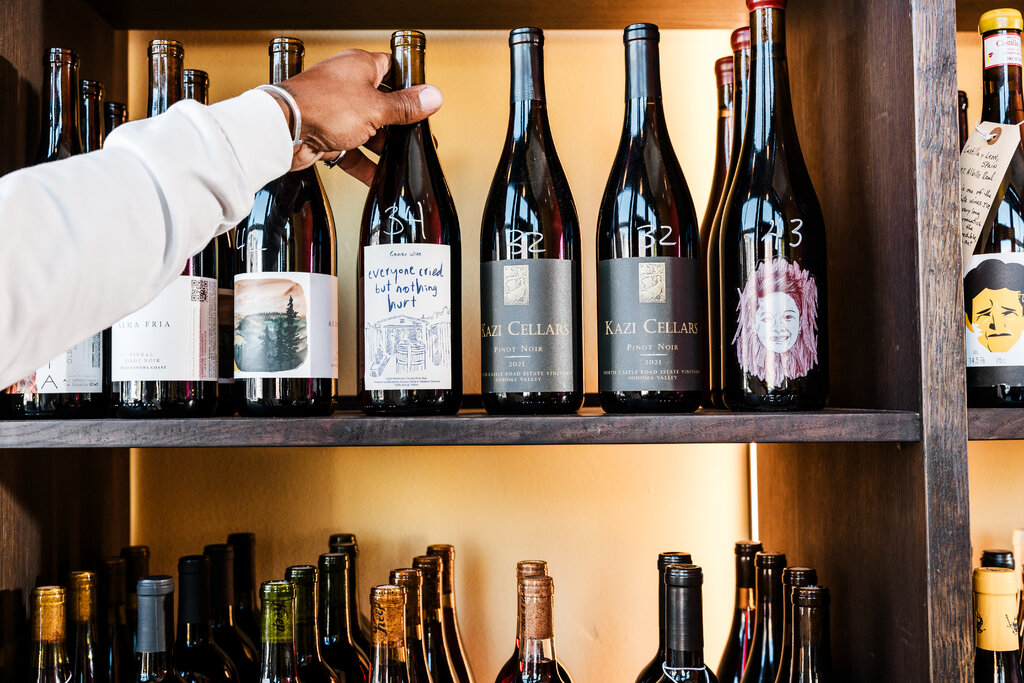
A new study reveals that tariffs imposed by former President Donald Trump on imports, including wine, have led to a significant increase in prices for consumers. Despite efforts by producers and importers to mitigate the impact, consumers are ultimately bearing the financial burden.
Reports indicate that a bottle of expensive wine has become a symbol of the impact of tariffs, showcasing how prices have risen significantly as a result of these trade policies. While producers and distributors strive to lessen the negative effects of these tariffs, it appears that consumers are the ones paying the price in the end.
Details of the Event
Reports suggest that the tariffs imposed on imported wine were part of Trump's economic policy aimed at reducing the trade deficit with other countries. However, these tariffs not only affected prices but also led to changes in supply chains, making it difficult for importers to maintain previous prices.
Although some producers attempted to absorb the increase in costs, the price hikes were evident in stores, making wine less affordable for many consumers. Some experts have pointed out that this increase may affect wine consumption in the United States, as consumers may turn to cheaper alternatives.
Background & Context
In 2018, Trump began imposing tariffs on a range of imported goods, including wine, as part of a broader trade policy aimed at protecting American industry. These tariffs were part of a trade dispute with the European Union and other countries, where the U.S. administration believed these nations were benefiting from unfair trade practices.
Historically, the United States has been one of the largest wine markets in the world, importing large quantities of wine from countries such as France, Italy, and Spain. However, the tariffs have caused a decline in some of these imports, affecting the variety of options available to consumers.
Impact & Consequences
This situation illustrates how trade policies can directly affect consumers' lives. While these tariffs aim to protect domestic industry, they ultimately lead to increased prices, placing a burden on consumers. This increase may also result in a decline in wine consumption, impacting producers and distributors in the market.
Furthermore, these tariffs may provoke reactions from other countries, escalating trade tensions. In the case of wine, exporting countries may impose similar tariffs on American products, creating a cycle of trade escalation.
Regional Significance
Although this news pertains to the United States, it has implications for the Arab region. As prices rise in American markets, Arab consumers may seek local or alternative options, potentially affecting international trade. Additionally, these policies may inspire some Arab countries to adopt similar trade policies to protect their local industries.
In conclusion, this news highlights the importance of understanding the impact of trade policies on the global economy and how they can directly affect consumers' lives. Tariffs are not just numbers on paper; they have real effects on prices and the choices available to consumers worldwide.