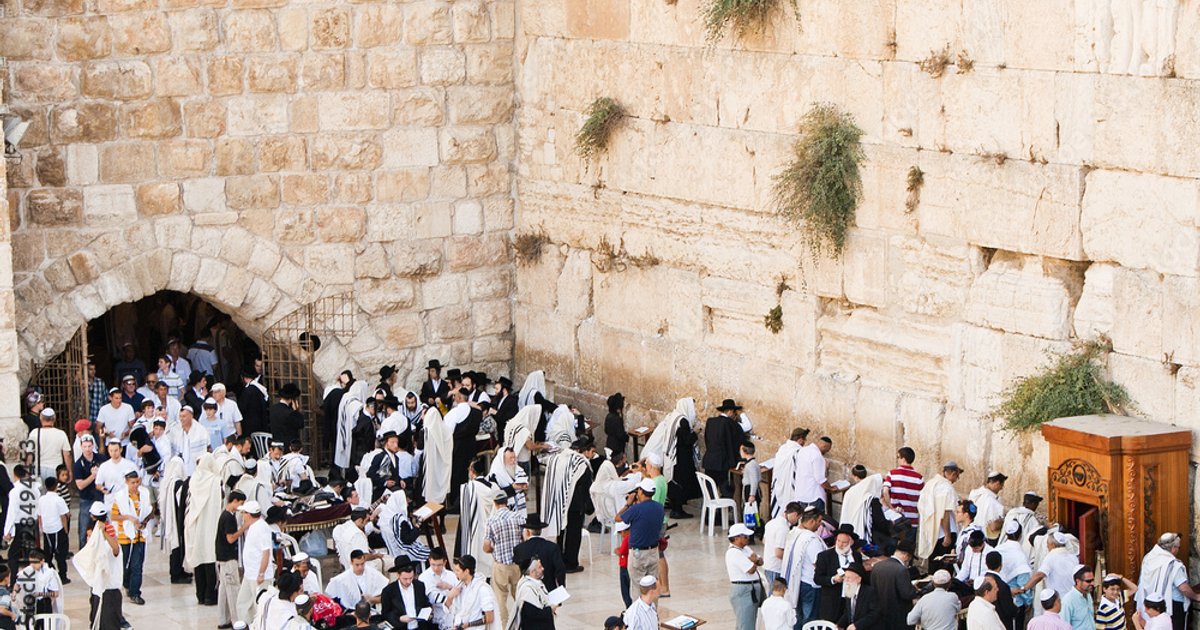
The Israeli Supreme Court issued a ruling on Sunday allowing the number of worshippers at the Western Wall to increase to 100 individuals, up from a previous limit of 50 due to restrictions imposed during the war. This decision responds to a request from a non-governmental organization, and the court confirmed that the new limit would take effect immediately.
The court also granted the state until April 7 to justify its broader policy regarding the "protection of holy sites" amid ongoing security measures. Strict access restrictions have been enforced at major religious sites in Jerusalem since the beginning of the American-Israeli strikes on Iran on February 28, leading to heightened security tensions in the Old City.
Details of the Decision
This move comes at a sensitive time, as restrictions on gatherings have been imposed across Israel, prohibiting assemblies of more than 50 people. Officials have indicated that these restrictions aim to reduce risks stemming from ongoing missile attacks from Iran and Hezbollah in Lebanon, significantly affecting some of the world's most important religious sites, including the Western Wall, Al-Aqsa Mosque, and the Church of the Holy Sepulchre.
The Old City of Jerusalem, located in the annexed East Jerusalem, is a focal point for Jews, Christians, and Muslims, and has seen an increase in security measures since the escalation of the conflict. This decision reflects an attempt by Israeli authorities to balance maintaining public security with individuals' rights to practice their religious rituals.
Background & Context
Historically, Jerusalem has been a center of religious and political conflicts, shared by Jews, Christians, and Muslims. Since Israel's occupation of East Jerusalem in 1967, the Old City has been a stage for ongoing tensions. Recent years have witnessed an escalation in violence and tensions, particularly in light of regional and international political events.
The holy sites in Jerusalem symbolize religious and cultural identity, making any changes to access a sensitive issue. Recent events in the region, including military and political pressures, have impacted individuals' ability to access these sites.
Impact & Consequences
This decision could have multiple implications for the security situation in Jerusalem. On one hand, it may help alleviate tensions between worshippers and authorities by allowing more individuals to practice their religious rites. On the other hand, it could increase security risks under current conditions, as threats from armed groups remain present.
This ruling may also provoke mixed reactions from the international community, with many countries closely monitoring the situation in Jerusalem. Any change in access policy to holy sites could impact interfaith relations and heighten regional tensions.
Regional Significance
For the Arab world, this decision represents a significant point of interest. Al-Aqsa Mosque and the Western Wall are important symbols in Islamic culture, and any restrictions on access to them could lead to strong reactions from Arab and Islamic nations. Maintaining freedom of worship at these sites is vital and reflects the ongoing challenges faced by communities in the region.
In conclusion, this decision reflects the complex challenges facing Jerusalem amid current security conditions. It remains to be seen how these changes will affect the overall situation in the city and whether they will contribute to improving interfaith relations or further escalate tensions.