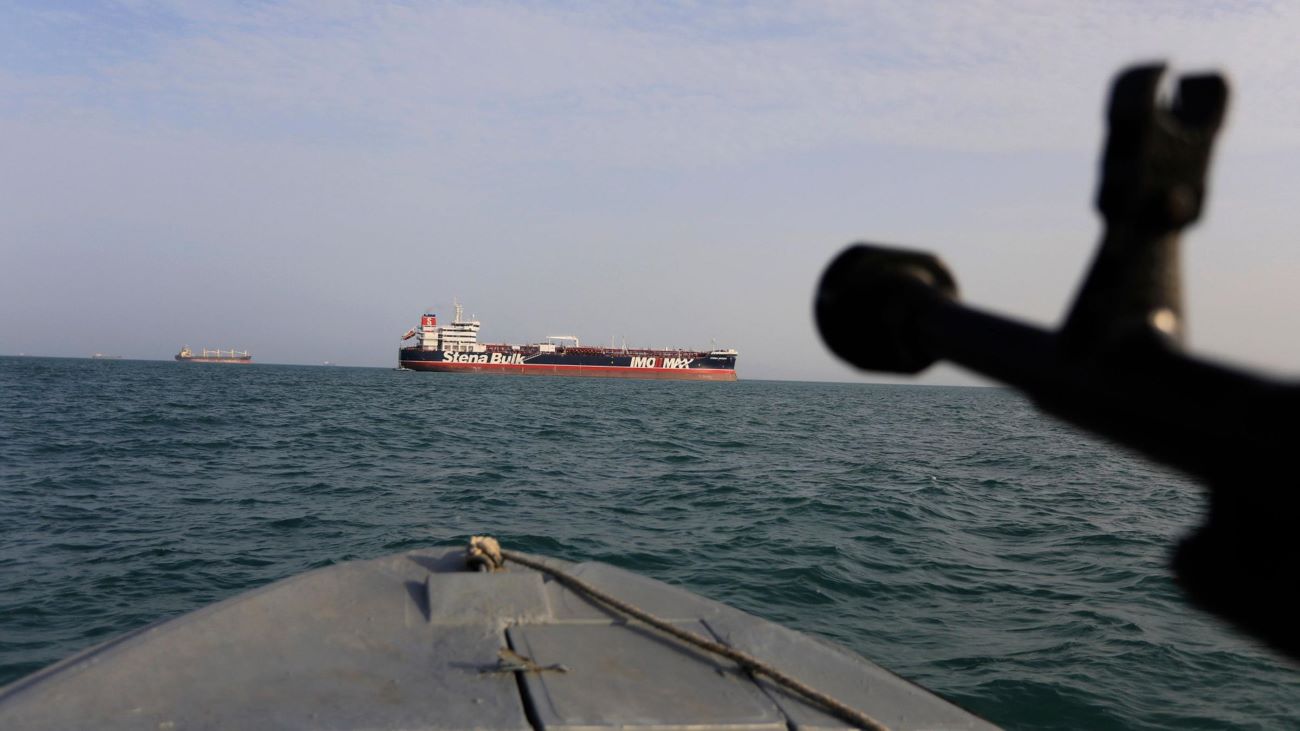
Chinese companies providing cross-border payment services have experienced a notable increase in their stock prices after the Chinese Ministry of Commerce announced that the Chinese yuan has become the payment method used for tolls in the Strait of Hormuz. This step reflects a strategic shift in international trade transactions, especially amid geopolitical tensions affecting global trade flows.
This move is seen as a sign of the yuan's growing role in international trade, as many countries seek to reduce their reliance on the US dollar. Reports have indicated that the use of the yuan in trade payments is increasing significantly, reflecting growing confidence in the Chinese currency.
Details of the Announcement
The Chinese Ministry of Commerce announced that the yuan has become the approved payment method for tolls for ships passing through the Strait of Hormuz, one of the world's most critical maritime passages. This announcement comes at a time when the region is experiencing heightened tensions, which increases the significance of this step. The news has contributed to the rise in stock prices of Chinese companies offering cross-border payment services, reflecting the impact of this move on the financial market.
The Strait of Hormuz is a vital point for the transportation of oil and natural gas, with approximately 20% of the world's total oil passing through it. The use of the yuan for these tolls could open new avenues for Chinese trade with other countries and strengthen China's position as a global economic power.
Background & Context
Over the years, China has sought to promote the use of the yuan in international trade as part of its strategy to expand its economic influence. In recent years, several steps have been taken to enhance the yuan's status, including its inclusion in the basket of currencies that form the Special Drawing Rights of the International Monetary Fund.
Historically, the US dollar has been the dominant currency in global trade, but with the increasing strength of the Chinese economy, many countries have begun to look for alternatives. The use of the yuan for tolls in the Strait of Hormuz represents a significant step in this direction, as it could lead to increased use of the yuan in other trade transactions.
Impact & Consequences
This move represents a major shift in the global financial system, as it may lead to a reduction in reliance on the US dollar in international trade. If countries continue to adopt the yuan as a payment method, we could witness significant changes in how global trade is managed.
Furthermore, this step may lead to increased Chinese investments in the region, enhancing economic relations between China and oil-exporting countries. This could contribute to achieving economic stability in the region and foster cooperation among nations.
Regional Significance
For Arab countries, the use of the yuan for tolls in the Strait of Hormuz could open new horizons for economic cooperation with China. This could lead to increased Chinese investments in infrastructure and energy projects in the region, benefiting local economies.
Moreover, enhancing the use of the yuan could help reduce dependence on the US dollar, thereby strengthening the economic independence of Arab countries. Amid geopolitical tensions, this step may present an opportunity for Arab nations to bolster their trade relations with China.
In conclusion, the use of the yuan for tolls in the Strait of Hormuz represents a strategic step reflecting changes in the global financial system. This move could open new avenues for economic cooperation between China and Arab countries, enhancing stability and growth in the region.