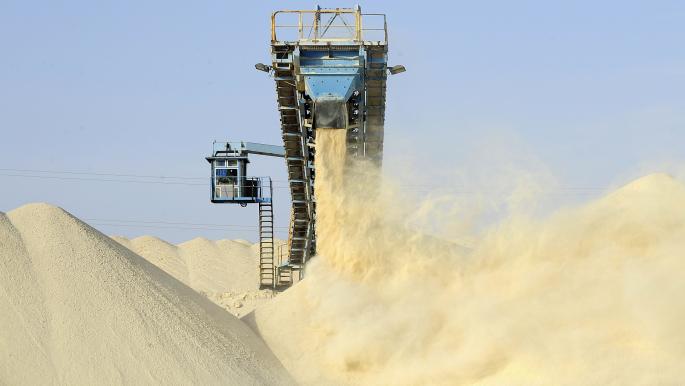
Global markets anticipate a rise in demand for Moroccan phosphate fertilizers due to disruptions in shipping through the Strait of Hormuz caused by ongoing conflicts. Morocco is a leading producer of these fertilizers, enhancing its role in the global market.
Tensions are escalating in the Strait of Hormuz, one of the world's most critical maritime corridors, through which a significant portion of global oil trade passes. These tensions directly affect shipping movements, leading to increased demand for alternatives such as phosphate fertilizers supplied by Morocco.
Details of the Situation
Armed conflicts in the region are causing disruptions in maritime navigation, negatively impacting the supply of essential materials. In this context, Morocco is considered a leading country in phosphate fertilizer production, possessing vast reserves of phosphate. This situation provides Morocco with an opportunity to boost its exports under the current circumstances.
Reports indicate that the demand for phosphate fertilizers may rise significantly in global markets, as farmers in various countries seek to secure their needs for these vital materials. Consequently, Morocco could benefit from this opportunity to strengthen its position in the global market.
Background & Context
Historically, phosphate has been one of Morocco's important natural resources, serving as a pillar of the national economy. Investments in this sector have enhanced Morocco's competitive capacity on the international level. Additionally, Morocco is one of the largest phosphate exporters in the world, making it a key player in fertilizer markets.
The importance of phosphate is increasing in light of the challenges facing global agriculture, such as climate change and rising food demand. Therefore, by enhancing its production and export of fertilizers, Morocco can play a pivotal role in meeting global market needs.
Impact & Consequences
The tensions in the Strait of Hormuz underscore the importance of stable maritime navigation, as any disruption can lead to rising prices of essential goods. In this context, the increased demand for Moroccan phosphate fertilizers could bolster the national economy and increase revenues.
Moreover, enhancing phosphate exports could contribute to creating new job opportunities in Morocco, positively impacting the local economy. This situation may also foster stronger trade relations between Morocco and importing countries.
Regional Significance
Phosphate fertilizers are essential elements in agriculture, making them particularly important for Arab countries that rely on agriculture as a primary food source. In light of current tensions, Arab nations may seek to diversify their sources of fertilizers, thereby enhancing Morocco's role as a primary supplier.
Furthermore, the increased demand for phosphate fertilizers could strengthen economic cooperation among Arab countries, as these relationships may contribute to achieving food security in the region.
In conclusion, the current situation in the Strait of Hormuz illustrates how geopolitical tensions can affect global markets. However, Morocco, thanks to its natural resources, can benefit from these conditions to strengthen its position in the global fertilizer market.