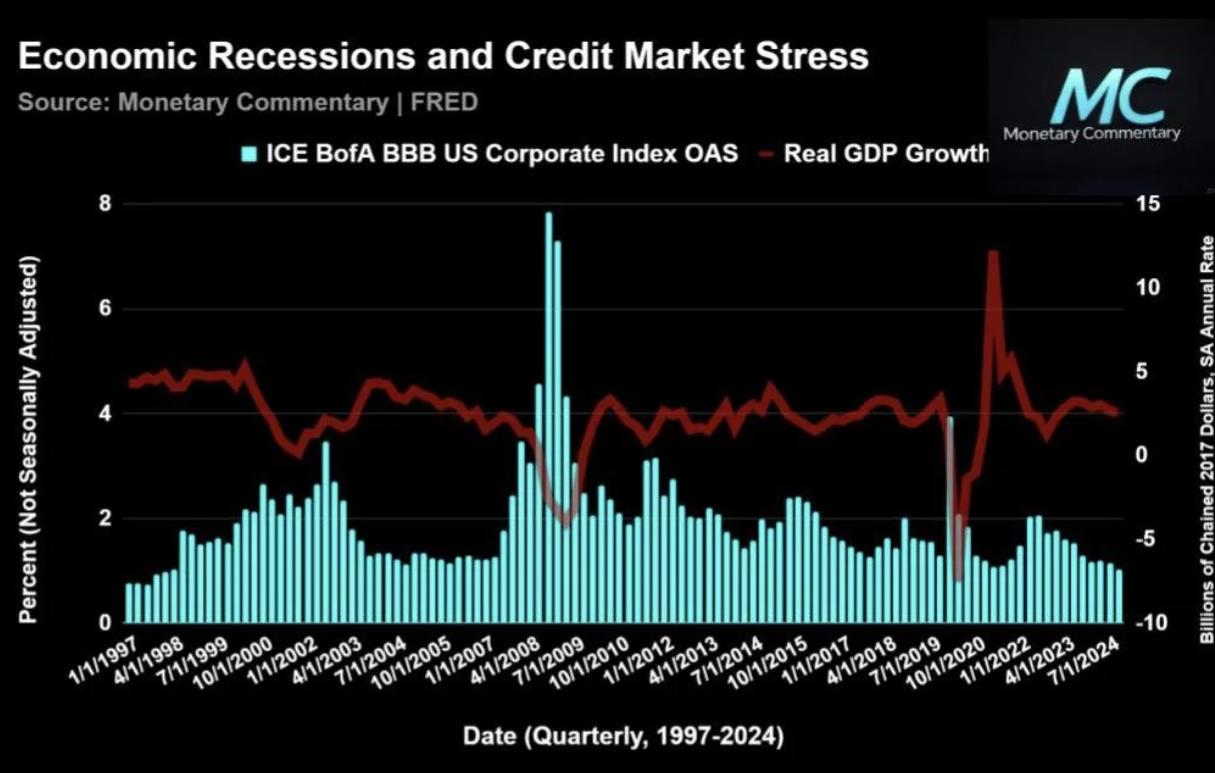
Private credit markets are experiencing rising pressures, making the relative stability of major US banks more attractive to investors. Under the current circumstances, many investors are turning towards large banks in the United States, as these institutions demonstrate a greater ability to face financial challenges compared to private markets.
These shifts come at a sensitive time, as the global financial system faces pressures due to economic fluctuations and instability in the markets. With increasing concerns about the risks associated with private credit, there is a growing interest in major banks that have a strong reputation and the capacity to handle crises.
Details of the Situation
Reports indicate that the current pressures in private credit markets may lead to a reevaluation of investment strategies. Private credit is considered more susceptible to risks due to a lack of transparency and reliance on unsecured loans. In contrast, major banks possess strong balance sheets and sufficient reserves to withstand crises, making them a safer option for investors.
Data suggests that major banks, such as Bank of America and JP Morgan, have seen an increase in demand for their financial services, as investors prefer safety and stability over the high returns that may come with risks in private markets.
Background & Context
Historically, private credit markets have experienced significant fluctuations, especially during financial crises. For instance, during the global financial crisis in 2008, it was the major banks that contributed to stabilizing the financial system through their ability to provide necessary liquidity. Since then, regulatory frameworks for these banks have been strengthened, increasing investor confidence in their ability to handle crises.
In recent years, with the rise of financial innovations, private credit has become an essential part of the financial system. However, the risks associated with it remain, making major banks the safest choice in times of uncertainty.
Impact & Consequences
Analyses indicate that increasing pressures in private credit markets may lead to changes in investment policies. Investors may seek to reduce their exposure to private credit and increase their investments in major banks. This shift could affect liquidity in the markets and reshape the financial landscape.
Moreover, this trend may strengthen the position of major banks in the market, enhancing their ability to influence financial and economic policies. As reliance on these banks increases, their status as key players in the global financial system may be reinforced.
Regional Significance
In the Arab region, this shift may have noticeable effects. Many Arab countries rely on foreign investments, and increasing confidence in major banks may lead to higher investment flows into these markets. This dynamic could also enhance the stability of financial systems in Arab countries, contributing to economic growth.
In conclusion, the current situation in private credit markets illustrates how financial pressures can influence investor trends. As pressures mount, major banks remain an attractive option, reflecting the importance of financial stability in a volatile world.