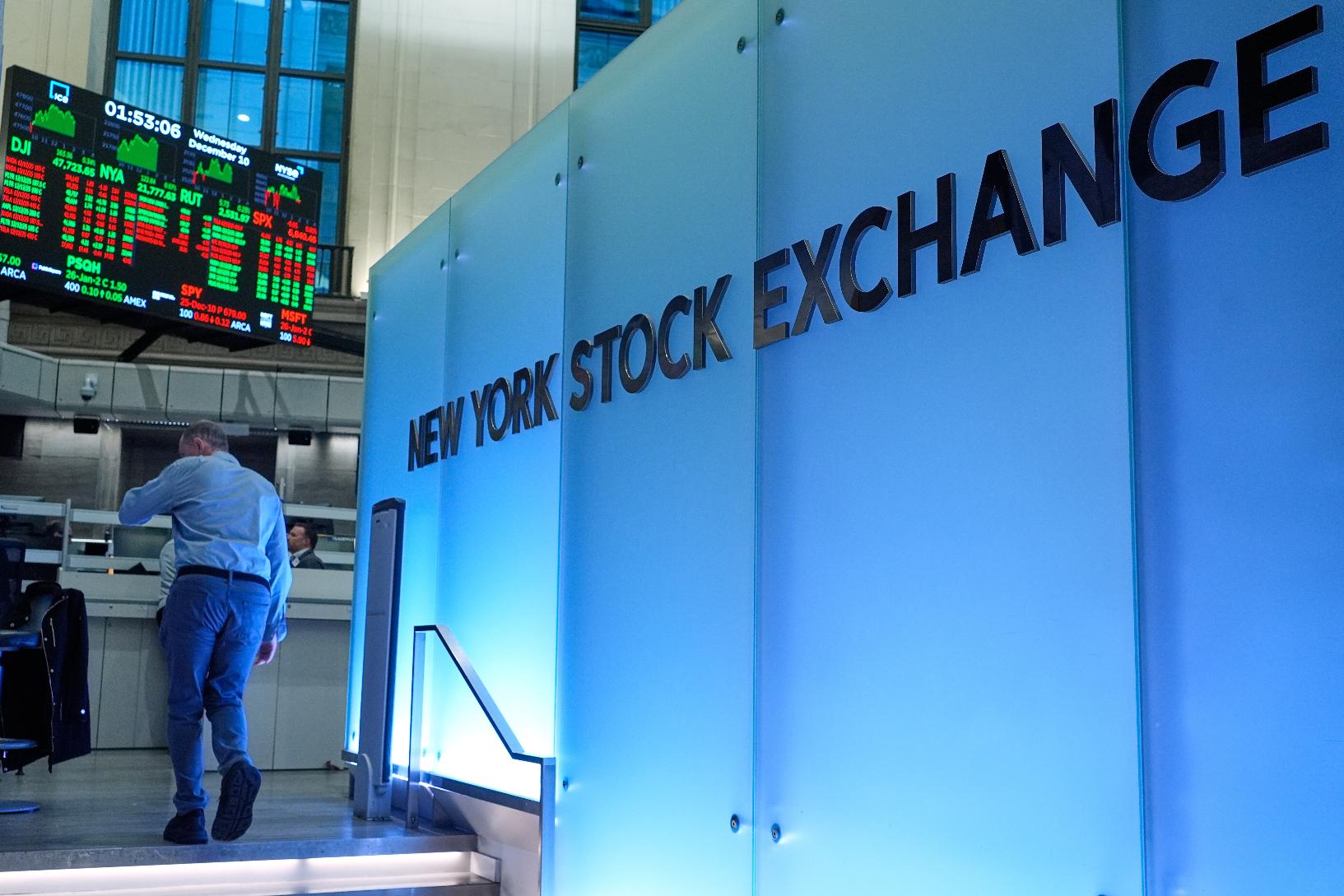
Wall Street faces growing pressures from escalating global tensions and expectations of interest rate hikes. These factors are raising concerns among investors and impacting financial market performance.
Amid ongoing geopolitical crises, analysts are turning their attention to how these events will affect the American economy, predicting that current conditions will lead to significant market volatility. Additionally, the potential interest rate hikes by the Federal Reserve could further increase pressures on investors, possibly leading to declines in stock indices.
Details of the Situation
Concerns are mounting on Wall Street as conflicts escalate in multiple regions worldwide, negatively reflecting on investor confidence. Financial markets have recently experienced a notable decline, with major stock indices such as the Dow Jones and Standard & Poor's 500 witnessing drops.
These declines coincide with statements from Federal Reserve officials indicating the possibility of interest rate hikes in upcoming meetings, intensifying fears among investors. Such potential increases could lead to higher borrowing costs, adversely affecting consumer spending and investment.
Background & Context
Historically, Wall Street has experienced significant volatility during times of geopolitical crises. For instance, previous wars and conflicts have led to substantial market declines, prompting investors to seek safe-haven assets such as gold and government bonds.
Moreover, interest rate hikes are a key tool used by the Federal Reserve to control inflation, which has seen a noticeable rise in recent months. However, this policy could lead to an economic growth slowdown, complicating the current situation.
Impact & Consequences
The current pressures on Wall Street could have negative repercussions on the overall American economy. As investor confidence wanes, economic growth may slow, affecting job opportunities and consumer spending.
Furthermore, rising interest rates could increase borrowing costs, impacting small and medium-sized enterprises that rely on loans to support their growth. This could lead to a decline in new investments, negatively affecting the economy as a whole.
Regional Significance
Arab markets are also affected by fluctuations in Wall Street, as many Arab investors closely monitor the performance of American markets. Any downturn in Wall Street could trigger declines in Arab financial markets, increasing pressures on local economies.
Additionally, rising interest rates in the United States could affect investment flows into the region, as investors may seek higher returns in American markets. This could lead to a decrease in foreign direct investment in Arab countries, impacting economic growth.
In conclusion, conditions on Wall Street remain under scrutiny, as any changes in economic policies or geopolitical events could significantly impact global financial markets, including Arab markets.