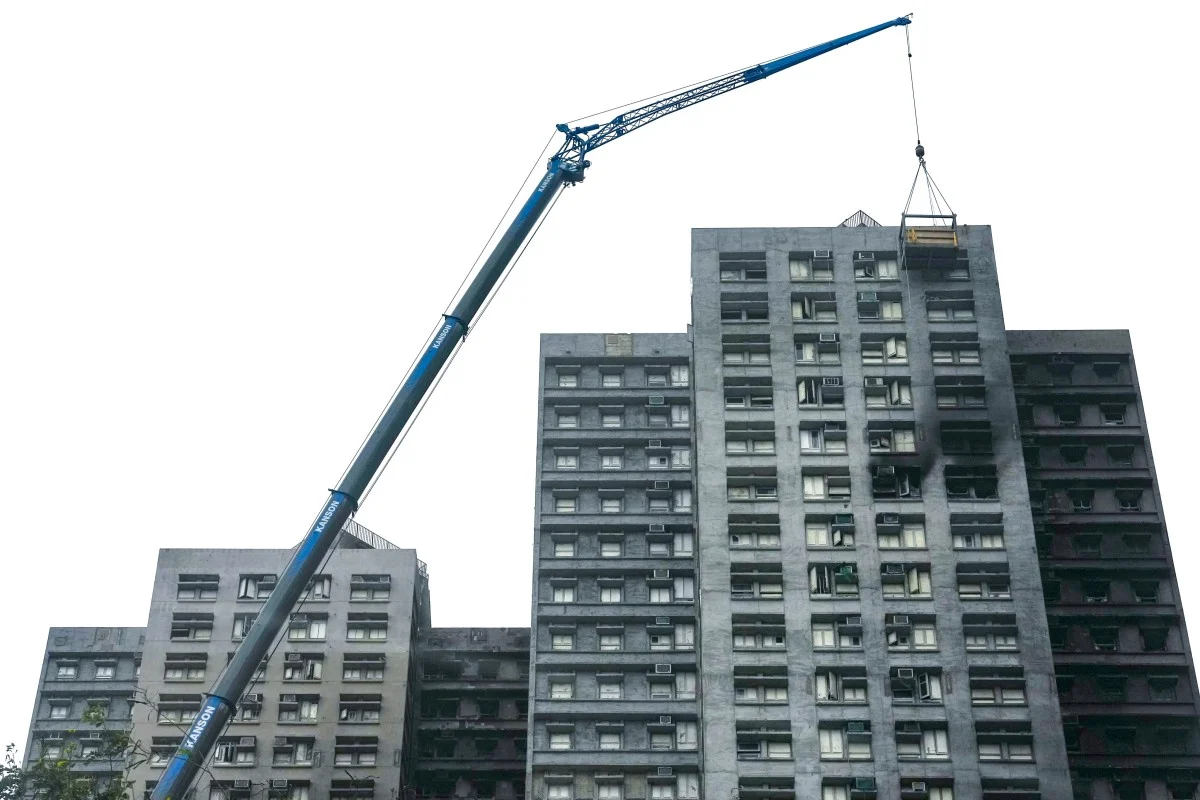
An independent committee has resumed its investigations into the causes of the devastating fire that occurred at the Wang Fook complex in the Tai Po area of Hong Kong, resulting in the deaths of 168 people, making it one of the worst fires in the city's history. The new hearings began on Wednesday, with Chung Kit Man, the director of Victory Thermal Engineering, expected to testify again regarding the fire protection systems in the complex.
The fire, which broke out on February 15, 2022, had a significant impact on the local community and raised questions about the efficiency of safety systems in residential buildings. The independent committee was formed to investigate the circumstances of the incident and determine responsibilities, as these sessions present an opportunity to reveal facts that may be absent from public knowledge.
Details of the Incident
Reports indicate that the fire spread rapidly, making it difficult for firefighting teams to control it. Testimonies presented so far suggest that the fire protection systems did not function properly, with Chung Kit Man confirming that water did not flow through the hoses during the fire, complicating firefighting efforts. This information raises concerns about the preparedness of residential buildings to face such disasters.
The committee hopes to gather evidence and testimonies from various stakeholders, including residents and firefighting teams, to identify the real causes behind this tragic fire. The sessions also focus on assessing the adherence to engineering standards and regulations related to building safety in Hong Kong.
Background & Context
Historically, Hong Kong has witnessed numerous devastating fires, but the Wang Fook fire is considered the deadliest in recent decades. This incident highlights the importance of improving safety standards in buildings, especially in densely populated areas. In recent years, laws related to building safety have been strengthened, but there appear to be gaps in enforcement.
These sessions are part of broader efforts to enhance public safety in Hong Kong, as the government seeks to build trust among citizens regarding the available safety systems. The recent incident may serve as a catalyst for new legislative changes aimed at preventing the recurrence of such disasters in the future.
Impact & Consequences
The repercussions of this fire extend beyond the borders of Hong Kong, raising public safety issues in residential buildings worldwide. Similar incidents in other countries may lead to a comprehensive review of engineering standards and safety regulations. The outcomes of the investigations are expected to influence how buildings are designed and constructed in the future.
Additionally, the incident may contribute to increased awareness about the importance of fire protection systems in residential buildings, potentially leading to improvements in this area. It is crucial that swift and effective actions are taken to ensure the safety of citizens globally.
Regional Significance
Considering the conditions in the Arab region, similar incidents raise concerns about building safety in major cities. Many Arab countries face similar challenges regarding public safety, especially in densely populated areas. It is essential for Arab governments to adopt stringent standards to ensure the safety of their citizens.
Catastrophic incidents like the Wang Fook fire should serve as a motivation to develop effective public safety strategies, enhancing the ability of countries to respond to natural and human-made disasters.