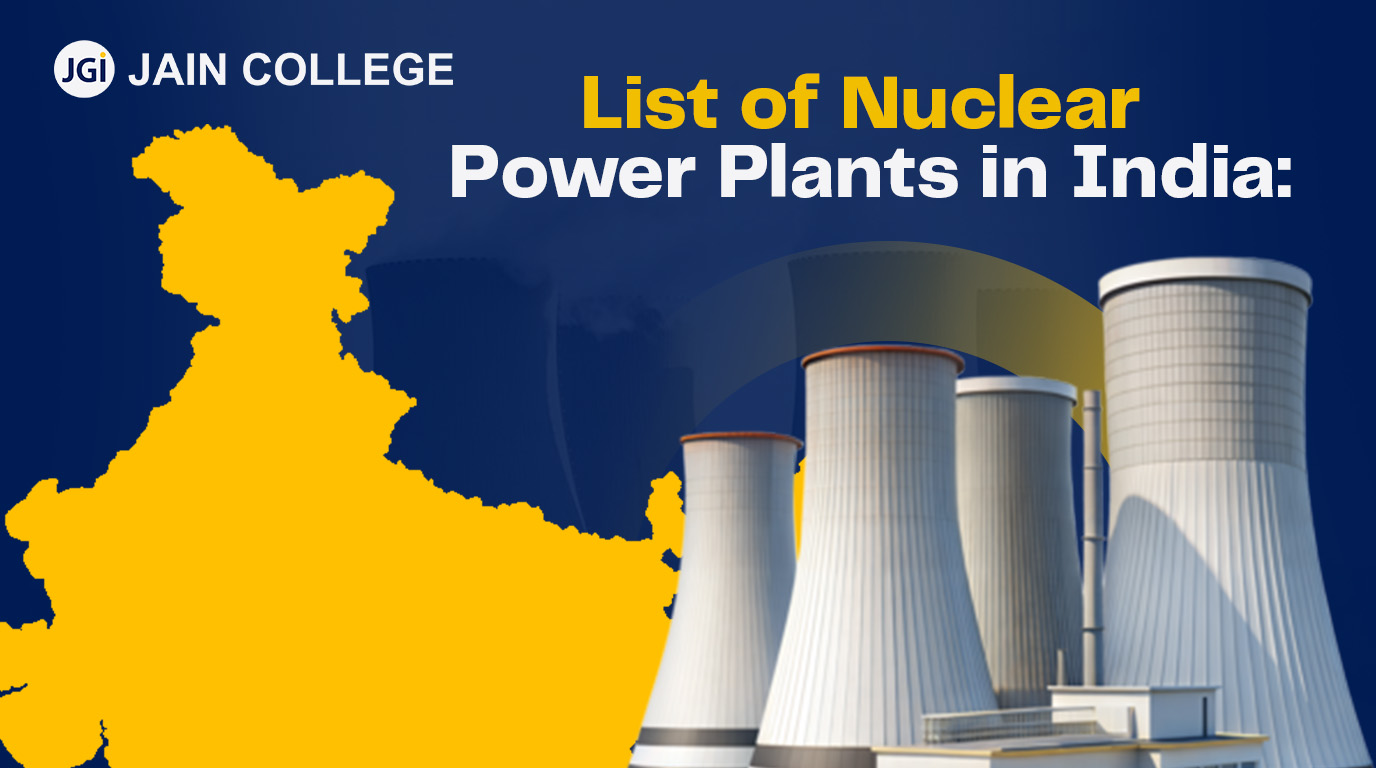
Indian Prime Minister Narendra Modi has announced a remarkable achievement in the country's journey towards developing its civil nuclear program, as the fast breeder reactor in Kalpakkam has reached critical operational status. This phase marks an important turning point, enabling the reactor to achieve self-sustaining operations.
In a tweet on the platform X, Modi emphasized that this achievement reflects "the depth of our scientific capabilities and the strength of our engineering infrastructure," praising the efforts of local scientists and engineers who contributed to this project. Modi regarded this moment as "a source of pride for India," highlighting the progress the country has made in the field of nuclear energy.
Event Details
India is considered the sixth largest nuclear power in the world, with expectations that its nuclear arsenal will reach approximately 180 nuclear warheads by 2025. This arsenal includes an advanced launch system comprising aircraft, ground missiles, and nuclear submarines capable of carrying ballistic missiles.
India began its nuclear program in the 1950s as part of its efforts to achieve a strategic balance in response to tensions with its neighbors, particularly China and Pakistan. India conducted its first nuclear test in 1974, followed by five tests in 1998, which allowed it to join the global nuclear club.
Background & Context
The idea of establishing a nuclear program in India emerged shortly after the country gained independence in 1947. This concept was championed by a group of Indian scientists, notably physicist Homi Bhabha, who managed to convince Prime Minister Jawaharlal Nehru of the importance of developing nuclear energy for peaceful purposes, with the potential for military applications in the future.
Initially, the program focused on peaceful uses, with Nehru describing the atomic bomb as a "symbol of evil," but he indicated that if India were forced to use it, no religious sentiments would prevent them from doing so. The United States aided India in developing its nuclear program by providing reactor technologies and heavy water.
Impact & Consequences
This achievement represents a significant step in enhancing India's ability to utilize nuclear energy for peaceful purposes, potentially contributing to energy stability in the country. Additionally, this development may affect the strategic balance in the region, especially amidst ongoing tensions with Pakistan and China.
This progress could increase pressure on neighboring countries, possibly accelerating an arms race in the region. Furthermore, strengthening India's nuclear capabilities may raise international concerns regarding nuclear proliferation.
Regional Significance
As India continues to bolster its nuclear capabilities, this development may also impact Arab countries, which face increasing security and political challenges. The enhancement of India's nuclear capabilities could prompt a reassessment of defense and security strategies in the region.
These developments may lead some Arab nations to consider strengthening their civil nuclear programs, especially given the growing need for alternative and sustainable energy sources.
The entry of India into a new phase of its civil nuclear program reflects the technological and scientific advancements it has achieved, raising questions about the future impacts on regional and international security.