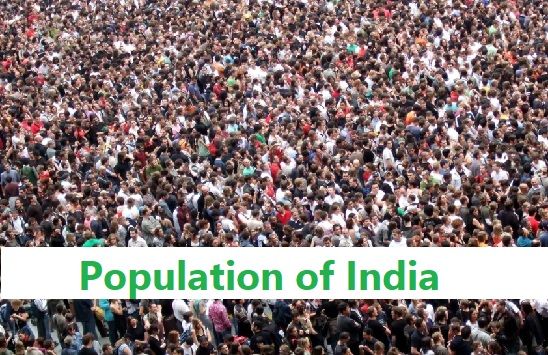
India, the world's second-most populous country, has begun its census that has been delayed for several years. This census is considered a vital step in understanding the demographic composition of the country, as it is expected to provide accurate data on population numbers and distribution. The census is essential for planning public policies and economic and social development.
The Indian census, originally scheduled for 2021, was postponed due to the COVID-19 pandemic. With the commencement of this census, the Indian government hopes to gather precise information about the population, which will aid in making strategic decisions in areas such as education, health, and infrastructure.
Details of the Census Event
The census in India is one of the largest statistical operations in the world, involving millions of employees. It includes the collection of data on age, gender, educational level, and socio-economic status of the population. The census process is expected to take several months, with data being collected from all states and union territories of India.
The data generated from the census is crucial for determining resource distribution and guiding government investments. It also plays a significant role in defining electoral constituencies and distributing seats in Parliament, making it a vital tool in the democratic process.
Background & Context
India is considered one of the fastest-growing countries in the world, but population challenges remain. The census highlights the importance of understanding the diverse demographic makeup of the country, which has over 1.4 billion people who speak more than 120 languages and live in 28 states and 8 union territories.
The previous census, conducted in 2011, showed that India experienced significant population growth, leading to increased pressure on resources and public services. Therefore, the current census presents an opportunity to assess the changes that have occurred over the past decade.
Impact & Consequences
The census is a vital tool for guiding government policies. The resulting data will help the government prioritize areas such as education, health, and infrastructure. It will also assist in improving public services and directing investments towards the most needy regions.
Moreover, the census represents an opportunity to understand the social and economic changes that India has experienced in recent years. This data will enable the government to make informed decisions on how to address future challenges, such as an aging population and migration.
Regional Significance
Although the Indian census may seem distant from the Arab region, it has indirect effects. India is one of the largest trading partners for Arab countries, with Indians constituting a significant portion of the workforce in Gulf nations. Therefore, understanding the demographic composition in India can help guide economic and trade policies between India and Arab countries.
Additionally, the census can enhance cooperation between India and Arab nations in areas such as education and health, contributing to improved bilateral relations.
In conclusion, the Indian census is an important step in understanding the demographic and economic changes in the country. The resulting data will assist the government in planning for the future and directing public policies in line with the needs of the population.