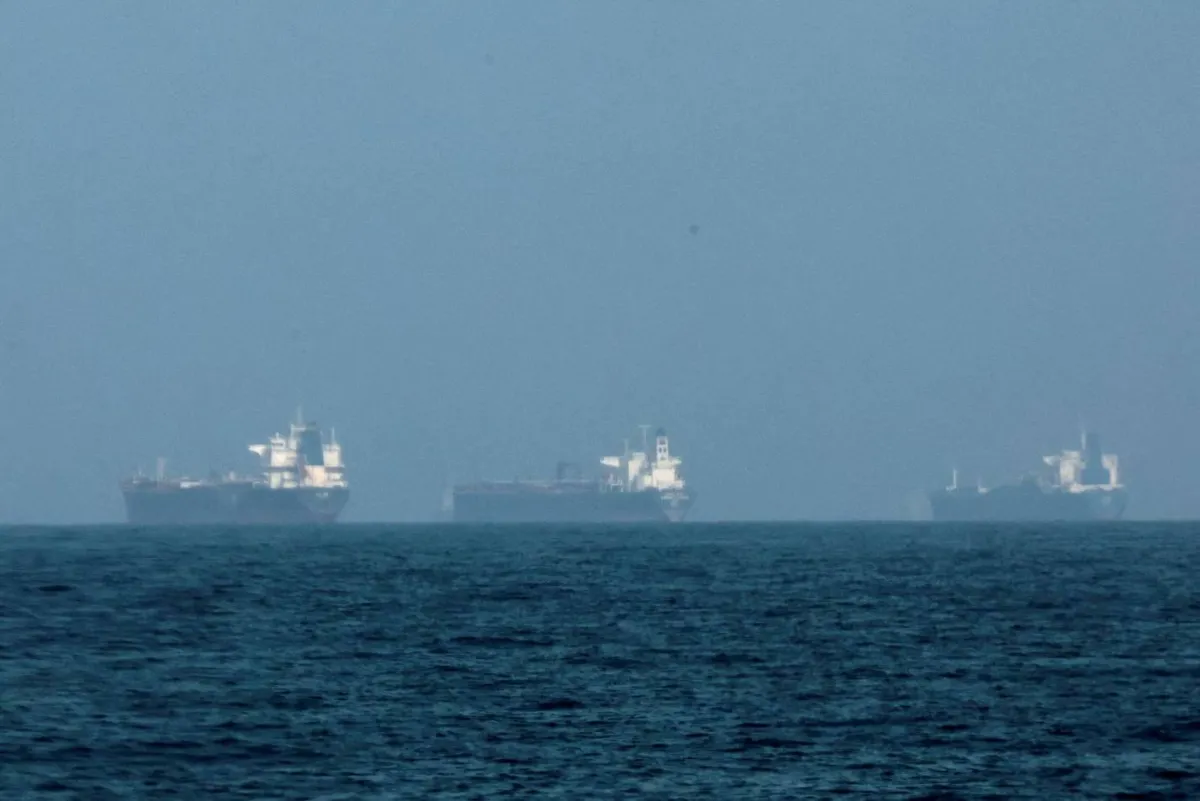
The Indian Ministry of Oil confirmed in a post on the platform "X" that the country's refineries have obtained their crude oil needs, including imports from Iran, noting that there are no obstacles in the payment processes related to these imports.
The ministry clarified that India's crude oil needs are fully secured for the coming months, reflecting the stability of supplies under the current circumstances.
Details of the Event
As geopolitical tensions in the region rise, India has agreed with Iran on the passage of its ships through the Strait of Hormuz, where Tehran controls maritime navigation. Iran only allows ships from friendly countries to pass, reflecting the growing energy relations between the two countries.
Iran is considered one of the main oil suppliers to India, as New Delhi seeks to diversify its energy sources amid global challenges. India has shown resilience in dealing with the sanctions imposed on Iran, reflecting its strategy to secure its energy needs.
Background & Context
India is one of the largest oil consumers in the world, heavily relying on imports to meet its needs. The Indian-Iranian relations have seen significant development in recent years, especially in the energy sector, as India aims to strengthen its partnership with Iran amid the challenges it faces in global oil markets.
These developments come at a time when India continues its efforts to enhance its energy security, seeking to reduce its dependence on traditional energy sources and promote the use of renewable energy. Iran is considered a strategic partner in this context, possessing large reserves of oil and gas.
Impact & Consequences
These developments underscore the importance of Indian-Iranian relations in the context of current geopolitical challenges. As economic and political pressures on Iran increase, India emerges as a key ally that can help support the Iranian economy through oil imports.
The stability of oil supplies from Iran also enhances India's ability to cope with fluctuations in global oil prices, contributing to the stability of the Indian economy. This cooperation also reflects India's desire to enhance its role as a regional power in the energy sector.
Regional Significance
The Indian-Iranian relations hold particular importance for the Arab region, as they can influence the dynamics of the oil market. With increasing cooperation between India and Iran, the balance of power in oil markets may shift, affecting oil-producing Arab countries.
Furthermore, strengthening relations between India and Iran may raise concerns among some Arab countries that fear the impact of this cooperation on their influence in the region. However, India seeks to maintain good relations with all Arab countries, reflecting its balanced strategy in foreign policy.
In conclusion, these developments highlight the importance of Indian-Iranian relations in the context of global challenges and emphasize the need to enhance cooperation in the energy sector to ensure market stability and achieve sustainable development.