India announced today, Monday, the end of the Maoist insurgency that has lasted for decades, with Interior Minister Amit Shah confirming that the country is now free of the rebels known as Naxalites. This announcement was made during a parliamentary session, where Shah stated, "I can say frankly that we are free of Naxalites - and there is no hesitation in saying that."
This step comes after years of intensive military operations targeting the last remnants of the Maoist insurgency, which began nearly sixty years ago in the village of Naxal, located at the foothills of the Himalayas. Over the past two years, the Indian government has been able to bolster its campaign against the rebels, significantly reducing their influence.
Details of the Announcement
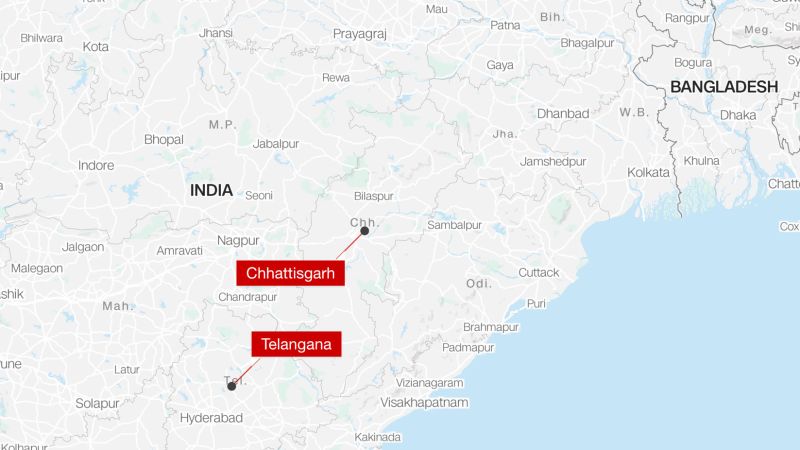
At the height of their activity, the Maoist insurgency controlled about one-third of India's territory, with an estimated 15,000 to 20,000 fighters in the mid-2000s. However, this number has significantly decreased in recent years, with most armed operations confined to the Bastar region of Chhattisgarh, which is rich in minerals and characterized by its dense forests.
According to statistics presented in parliament, security forces were able to kill 364 insurgents in 2025, arrest 1,022 others, while 2,337 insurgents, including prominent leaders, surrendered. Additionally, civilian and security forces casualties have decreased by 90% since 2010, and annual Maoist attacks have dropped from over 1,900 to around 200 attacks last year.
Background & Context
The Maoist insurgency in India began in 1967, when a number of villagers revolted against landlords in their area. The insurgents claimed they were fighting for the rights of marginalized indigenous populations in forested areas, where mining companies sought to exploit valuable resources. Since then, the conflict has claimed the lives of more than 12,000 people, including insurgents, soldiers, and civilians.
Over the years, the Indian government has taken several steps to combat this insurgency, including increasing military presence in affected areas and implementing social and economic development programs to improve the living conditions of local populations. These efforts have significantly contributed to reducing the insurgents' influence.
Impact & Consequences
The Indian government's announcement of the end of the Maoist insurgency represents a turning point in the country's history, reflecting a significant success in internal counter-terrorism efforts. This success could contribute to enhancing security stability in affected regions, allowing the government to focus on economic and social development.
However, the biggest challenge remains how to address the aftermath of the conflict on local communities, as there is still a need for rehabilitation programs and support for communities affected by the conflict. There are also concerns that some insurgents may attempt to reorganize in the future.
Regional Significance
Although the Maoist conflict in India may seem distant from the Arab region, the success of the Indian government in eliminating the insurgency could have positive implications for security and stability in other areas. India's experiences in counter-insurgency could serve as a model for countries facing similar challenges.
In conclusion, this announcement represents an important step towards achieving peace and stability in India, reflecting the government's ongoing efforts to address security challenges. However, the question remains on how to ensure that this phenomenon does not return in the future and how to support communities affected by the consequences of the conflict.