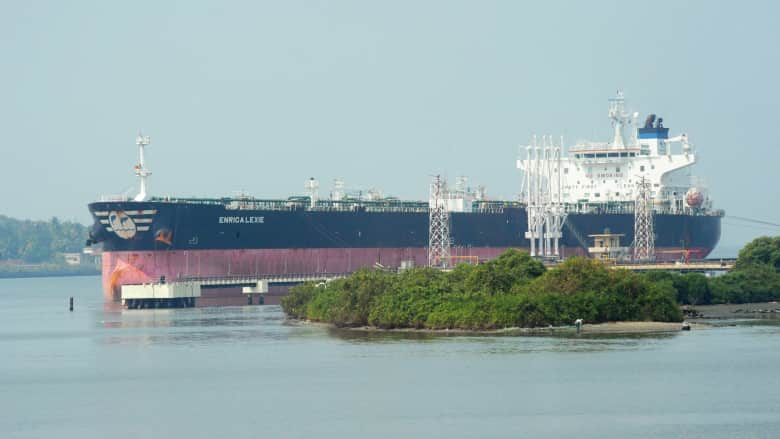
India's state-owned oil refineries are facing significant challenges in buying Iranian oil sanctioned by the US, citing payment, shipping, and insurance issues. This comes as India seeks to secure rapid oil supplies. Despite its desire for quick oil deliveries, these obstacles have forced India to delay purchase operations.
The reports indicate that India's state-owned oil refineries had hoped to benefit from Iranian oil after the US obtained approval for its export. However, the complexities associated with payment mechanisms, in addition to shipping and insurance issues, make it difficult to complete these transactions smoothly.
Event Details
India, one of the world's largest oil consumers, is seeking to secure diverse oil supplies to meet its increasing needs. However, geo-political tensions and sanctions imposed on Iran make it difficult for Indian companies to deal with Iranian oil. Although some companies have shown interest, concerns about exposure to US sanctions may make them hesitant to take concrete steps towards purchasing.
The reports suggest that India's state-owned oil refineries may prefer to wait until the situation becomes clearer before making any decisions about purchases. At the same time, India continues to search for alternative sources to meet its oil needs, including increasing oil imports from other countries such as Iraq and Saudi Arabia.
Background & Context
Historically, Iran was one of India's largest oil suppliers, exporting large quantities of oil to the country before Western sanctions were imposed. However, these sanctions reduced Iran's exports, significantly affecting trade relations between the two countries. In recent years, India has sought to rebuild its relations with Iran, particularly in light of the country's growing energy needs.
In the face of ongoing changes in the global oil market, India is seeking to diversify its oil supply sources to reduce dependence on a single source. This approach aligns with its national strategy to enhance energy security and meet the growing demand for energy in the country.
Impact & Consequences
The obstacles in buying Iranian oil may impact global oil prices, as a shortage of supplies could lead to increased prices. Additionally, the delay in purchases may affect India's ability to meet its energy needs, which could negatively impact the Indian economy, heavily reliant on oil.
Furthermore, the continuation of these obstacles may lead to strengthened trade relations between India and other countries, such as the US, as India seeks alternative oil supplies. This could also reduce India's dependence on Iranian oil, altering the dynamics of the regional market.
Regional Significance
The Middle East region, particularly oil-producing countries like Saudi Arabia and Iraq, are well-positioned to benefit from this situation. If India continues to reduce its reliance on Iranian oil, there may be increased opportunities for Arab countries to meet India's oil needs, enhancing economic relations between India and Arab countries.
In conclusion, the situation in the global oil market remains complex, with significant political and economic factors at play. India needs to make strategic decisions to ensure its energy security, while oil-producing countries in the Arab region must be prepared to capitalize on any opportunities that may arise in this context.