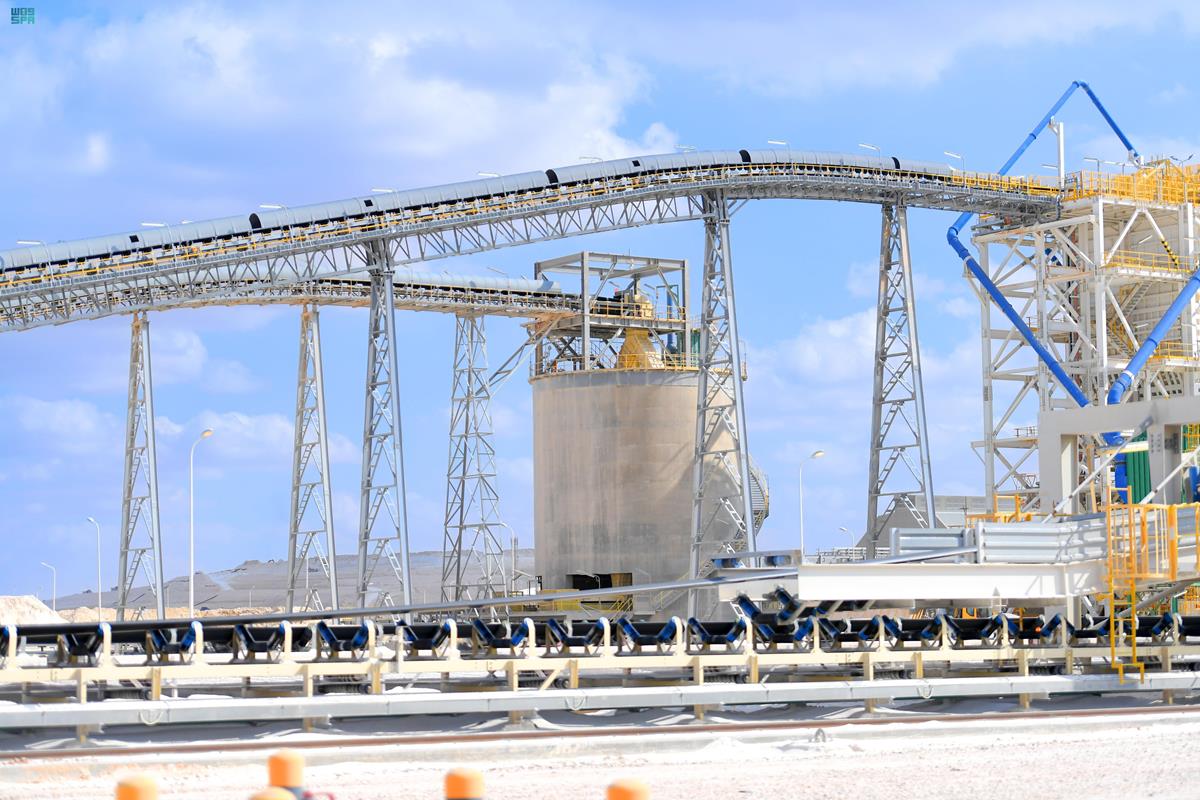
India, recognized as the world's largest importer of diammonium phosphate, has contracted to purchase this vital material at prices that have surged by 40% compared to pre-conflict levels. This price increase comes amidst the ongoing crises in the Middle East, directly affecting agricultural supply chains.
Reports indicate that the conflict in the Middle East has disrupted supply chains, leading to a rise in global prices. Phosphate is a crucial element in agriculture, utilized in the production of fertilizers that enhance crop growth and increase agricultural productivity.
Details of the Situation
In response to these circumstances, India has contracted large quantities of phosphate, reflecting an urgent need to secure food supplies within the country. This contract is viewed as a strategic move to ensure the continuity of agricultural production amid current challenges.
The rising phosphate prices could significantly impact agricultural production costs in India, potentially leading to higher food prices in local markets. Additionally, this price hike may place increased pressure on farmers, who might struggle to cope with the elevated costs.
Background & Context
Historically, India has heavily relied on phosphate imports to meet its agricultural needs. With escalating conflicts in the Middle East, supplies have become more susceptible to disruption, resulting in a greater dependence on alternative markets. In recent years, phosphate prices have experienced significant fluctuations, influenced by various factors including geopolitical tensions and rising food demand.
As one of the largest agricultural nations in the world, India's economy is heavily dependent on agriculture. Therefore, any changes in fertilizer prices can have profound implications for the country's food security. In recent years, the Indian government has attempted to bolster domestic fertilizer production to reduce reliance on imports, but current challenges may hinder these efforts.
Impact & Consequences
The increase in phosphate prices could lead to widespread repercussions for the Indian economy. This rise is expected to affect food prices, potentially resulting in higher living costs for citizens. Farmers may also face difficulties in achieving profitability due to increased production costs.
Moreover, the impact of the Middle East conflict on phosphate prices could reverberate through global markets, potentially leading to price increases in other countries that rely on imported phosphate. This situation raises concerns about food security in other parts of the world, particularly in developing nations.
Regional Significance
The implications of rising phosphate prices extend beyond India, highlighting the interconnectedness of global agricultural markets. As countries grapple with their own food security challenges, the fluctuations in phosphate supply and pricing could exacerbate existing vulnerabilities.
In conclusion, the current situation underscores the critical need for nations to secure their agricultural inputs and consider the broader geopolitical dynamics that can influence food production and supply chains.