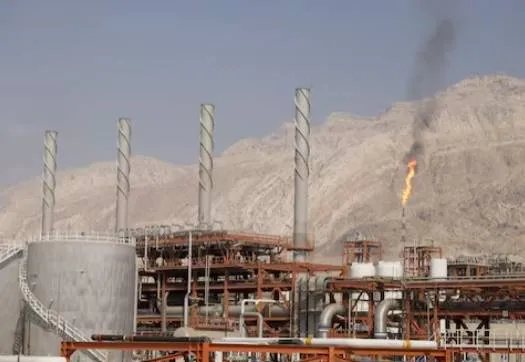
India is preparing to receive its first Iranian oil shipment this week, a significant event that marks the first such delivery in seven years. This follows the United States' decision to temporarily lift sanctions on Iranian oil and its refined products to alleviate supply shortages, according to ship tracking data released by 'LSEG' and 'Kpler' on Wednesday.
The shipment, transported by the giant oil tanker 'Jaya', registered in Curacao, was purchased by the Indian state oil company and is en route to the eastern coast of India. Data indicates that the tanker initially headed to Southeast Asian waters to unload part of its cargo in China before changing its course towards India.
Details of the Shipment
Tracking data shows that another tanker named 'Jordan' is also indicating India as its destination for unloading its cargo. India, the world's third-largest consumer and importer of oil, has not imported any Iranian oil shipments since May 2019 due to U.S. pressures aimed at halting Iranian crude purchases. However, supply disruptions caused by the U.S.-Israeli war have heavily impacted the South Asian nation.
Last week, the Indian Ministry of Oil announced that refineries had resorted to purchasing Iranian oil amid disruptions that affected supplies through the Strait of Hormuz. The ministry also confirmed that refining companies are not facing difficulties in making payments for their Iranian oil purchases.
Background & Context
European stocks surged by more than 3 percent on Wednesday following the announcement of a two-week ceasefire in the Middle East, restoring confidence in global markets and boosting hopes for the resumption of oil and gas flows through the Strait of Hormuz soon. The 'Stoxx 600' European index rose by 3.6 percent to 611.73 points by 07:13 GMT.
The market's swift reaction came after U.S. President Donald Trump agreed to a two-week ceasefire with Iran, just under two hours before the deadline he set for Tehran to reopen the Strait of Hormuz, through which 20 percent of the world's oil passes. Despite the immediate relief, investors are watching to see if the truce will pave the way for a permanent resolution.
Impact & Consequences
The Reserve Bank of India kept the key interest rate unchanged on Wednesday, warning of a potential slowdown in growth and rising inflation rates amid the repercussions of the Middle East crisis that has reshaped the economic landscape in South Asia. This decision followed the announcement by the U.S. and Iran overnight of a two-week ceasefire after more than a month of fighting.
India, which imports about 90 percent of its oil needs, is among the countries most vulnerable to the consequences of these disruptions. As a reflection of this, the Indian rupee fell to a record low, while foreign investors withdrew nearly $19 billion between March and April so far.
Regional Significance
The Arab region is significantly affected by these developments, as the resumption of Iranian oil flows could impact global oil prices, which in turn affects the economies of Arab countries that heavily rely on oil exports. Additionally, stabilizing the situation in the Strait of Hormuz could help reduce risks associated with oil supply.
In conclusion, this step represents a new beginning for oil relations between India and Iran at a time when global markets are experiencing significant volatility. Everyone is looking forward to what developments the coming days will bring in this context.