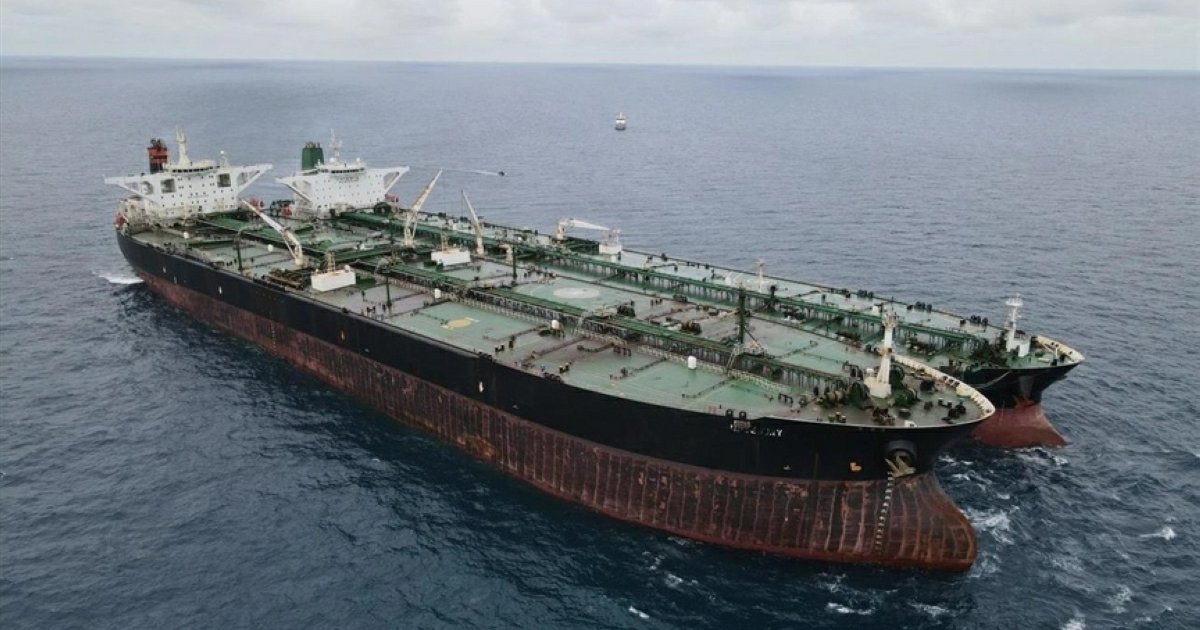
On Saturday, India confirmed that it has resumed importing Iranian oil, marking the first public acknowledgment since 2019 when it ceased purchases following the expiration of U.S. sanctions waivers. This decision comes at a time when global energy supplies are facing significant disruptions due to the ongoing conflict in the Middle East.
The Indian Ministry of Petroleum and Natural Gas stated via the 'X' platform that "Indian refineries have secured their crude oil needs, including from Iran, and there are no obstacles in payments for importing Iranian oil." The ministry also noted that India imports crude oil from over 40 countries, maintaining the flexibility of companies to adjust supplies based on commercial considerations.
Details of the Event
This step is seen as a direct response to supply challenges arising from the Middle Eastern conflict, as India seeks to secure its energy needs. The ministry confirmed that India's crude oil requirements are fully secured for the coming months, reflecting the stability of the Indian market despite global fluctuations.
Last month, the United States granted a 30-day waiver from sanctions related to purchasing Iranian oil, facilitating this move. It is noteworthy that India imports about 50% of its energy needs from the Middle East, valued at approximately $180 billion in 2024.
Background & Context
Historically, India has been one of the largest importers of Iranian oil, but U.S. sanctions imposed in 2018 led to a significant halt in these trade relations. These sanctions impacted India's ability to import Iranian oil, prompting it to seek alternatives from other countries. However, the ongoing conflict in the Middle East has cast a shadow over global energy markets, leading India to reconsider its options.
The Middle East is a vital hub for global energy supplies, with massive quantities of oil passing through the Strait of Hormuz. Any disruption in this region can significantly affect global oil prices and the needs of importing countries.
Impact & Consequences
India is preparing to face new challenges in the global energy market, as the resumption of Iranian oil imports may enhance the stability of its supplies. However, this decision could provoke reactions from the United States and Western countries that continue to impose sanctions on Iran.
Concerns are rising that the ongoing conflict in the Middle East may lead to increased oil prices, impacting the Indian economy, which heavily relies on energy imports. Thus, the resumption of trade relations with Iran could have both positive and negative implications.
Regional Significance
India's decision to resume importing Iranian oil represents an important development in economic relations between Arab countries and India. This decision could enhance cooperation between India and oil-producing countries in the region, contributing to the stability of energy markets.
Moreover, this development may open new avenues for economic collaboration between India and Arab countries, especially given India's increasing energy needs. At the same time, Arab nations must monitor the impact of this decision on global oil prices.