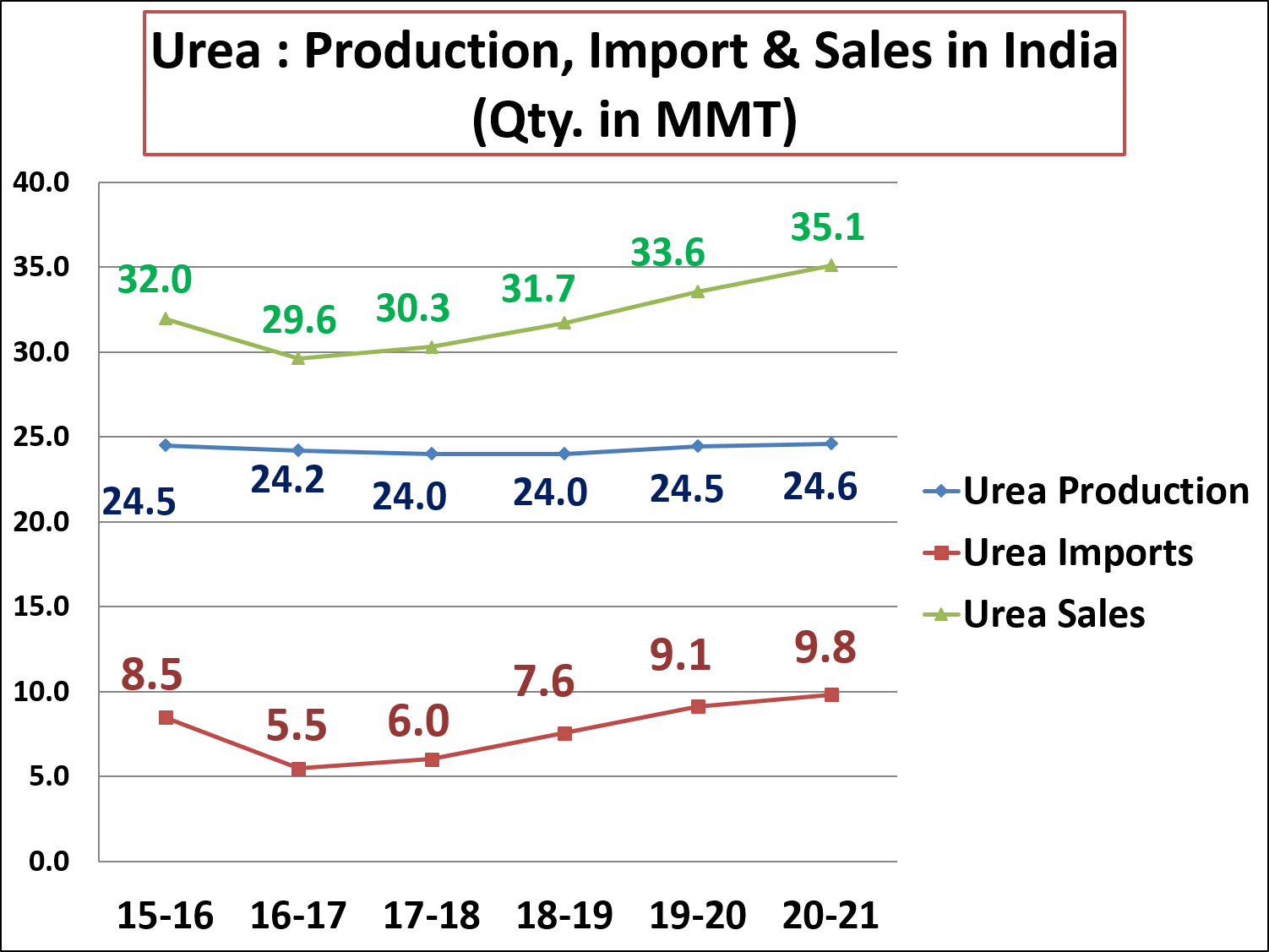
India, the world's largest importer of urea, has announced its intention to purchase approximately 2.5 million tons of this essential material before the start of the monsoon planting season. This decision comes at a time when local production is suffering from disruptions due to the ongoing conflict in the Middle East, leading to a reduction in the availability of this vital substance.
Urea is a key component in agriculture, used as fertilizer to enhance crop productivity. As the monsoon planting season approaches, which typically begins in June, the demand for urea is significantly increasing. The conflict in the Middle East has negatively affected supply chains, prompting India to take swift action to secure its needs for this material.
Details of the Situation
India is striving to secure urea supplies at a critical time, as this material is essential for ensuring agricultural crop production. Reports indicate that the conflict in the Middle East has impacted local production, resulting in rising prices and reduced supplies. In this context, the Indian government has announced a tender to purchase the required quantity of urea, reflecting the urgent need to secure this material before the planting season begins.
This step is part of India's efforts to enhance food security, as the country heavily relies on urea imports to meet its agricultural needs. Government officials have indicated that this tender is part of its strategy to ensure the availability of essential food materials amid changing global conditions.
Background & Context
Historically, India has depended on urea imports from several countries, including those in the Middle East. However, regional conflicts and political tensions have affected these countries' ability to meet India's needs. In recent years, India has seen an increase in demand for urea, prompting it to seek new supply sources.
India is one of the largest agricultural markets in the world, with millions of farmers relying on urea as a primary fertilizer. As the monsoon planting season approaches, any shortage in supplies could have negative repercussions on agricultural production and, consequently, on the country's food security.
Impact & Consequences
Forecasts suggest that a shortage of urea supplies could lead to price increases, adversely affecting farmers and raising production costs. Under these circumstances, the Indian government may need to take additional measures to support farmers and ensure price stability. This situation could also impact global markets, as India is one of the largest buyers of urea.
Supply disruptions could have negative effects on food security not only in India but also in other countries that rely on urea exports. Global markets are expected to closely monitor developments in this situation, as any changes in prices or supplies could affect economic stability in many nations.
Regional Significance
Arab countries are among the largest producers of urea in the world, playing a crucial role in meeting global market needs. As conflicts in the Middle East escalate, these countries may face new challenges in securing their supplies. Any changes in Indian demand for urea could directly affect prices and markets in the region.
Furthermore, the situation in India may open new opportunities for Arab countries to boost their urea exports, potentially contributing to local economic improvement. Under these circumstances, Arab nations must be prepared to adapt to changes in global demand and develop new strategies to enhance their competitiveness in the market.